
Nexo Earn with Nexo
Tehran Stock Exchange reopens with trading limits, 42 firms remain closed

Tehran Stock Exchange reopens with trading limits, 42 firms remain closed

After an 80-day shutdown triggered by escalating conflict with the US and Israel, Iran's main stock exchange is back online, but with heavy restrictions and over a third of the market still frozen.

Iran’s stock market came back to life on May 19, 2026. It did so on a very short leash.

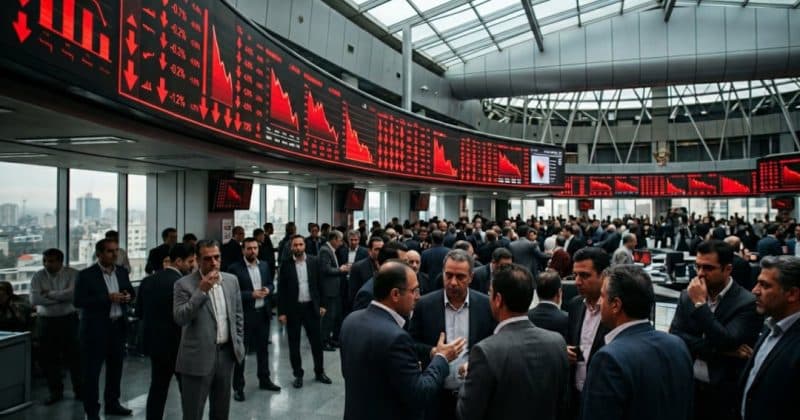
The Tehran Stock Exchange resumed trading after an unprecedented 80-day closure, one of the longest wartime trading suspensions in the exchange’s history. But 42 major firms, accounting for roughly 36% of the market, remain suspended. The reopening came with restrictions on large-scale selling and extended trading hours.

What happened and why it matters

The TSE went dark on February 28, 2026, as conflicts between Iran and a US/Israel coalition escalated to a point where regulators decided keeping markets open was more dangerous than closing them. The Securities and Exchange Organization of Iran justified the prolonged shutdown as necessary to protect investors and stabilize the market during a period of extreme uncertainty over potential war-related damages and corporate losses.

Previous closures during earlier tensions in 2025 lasted roughly two weeks. This closure dwarfed those by a factor of nearly six.

Advertisement

The 42 firms that remain suspended are concentrated in export-driven sectors: chemicals, metals, energy, and steel. These are the companies most exposed to international sanctions, supply chain disruption, and direct conflict-related damage, and they are also typically among the heaviest-weighted names on the exchange.

Before the shutdown, the TSE’s main index, known as TEDPIX, had reached an all-time high of nearly 4.5 million points earlier in the year.

The controls in detail

Large-scale sell orders face restrictions, which effectively means institutional investors and major shareholders can’t dump positions all at once. Trading hours were also extended by one hour on reopening days, a move designed to spread order flow across a wider window and reduce the intensity of any single trading session.

With 36% of the market’s capitalization frozen, the TEDPIX itself becomes a less reliable indicator of overall economic health.

The crypto angle and what investors should watch

There’s no direct connection between the TSE reopening and cryptocurrency markets. Iranian officials didn’t mention digital assets in their reopening framework, and no policy changes related to crypto were announced alongside the exchange’s restart.

Iranian citizens have historically diversified their savings into alternative assets during periods of economic stress, and digital currencies have been part of that diversification toolkit.

Investors should watch how quickly, if at all, the 42 suspended firms are allowed back into trading. Their return timeline will signal how confident regulators are in the underlying financial health of Iran’s industrial base. Whether the selling restrictions are gradually relaxed or become semi-permanent features of the market is a second key indicator.

Disclosure: This article was edited by Editorial Team. For more information on how we create and review content, see our Editorial Policy.

Tehran Stock Exchange reopens with trading limits, 42 firms remain closed

Tehran Stock Exchange reopens with trading limits, 42 firms remain closed

After an 80-day shutdown triggered by escalating conflict with the US and Israel, Iran's main stock exchange is back online, but with heavy restrictions and over a third of the market still frozen.

Iran’s stock market came back to life on May 19, 2026. It did so on a very short leash.

The Tehran Stock Exchange resumed trading after an unprecedented 80-day closure, one of the longest wartime trading suspensions in the exchange’s history. But 42 major firms, accounting for roughly 36% of the market, remain suspended. The reopening came with restrictions on large-scale selling and extended trading hours.

What happened and why it matters

The TSE went dark on February 28, 2026, as conflicts between Iran and a US/Israel coalition escalated to a point where regulators decided keeping markets open was more dangerous than closing them. The Securities and Exchange Organization of Iran justified the prolonged shutdown as necessary to protect investors and stabilize the market during a period of extreme uncertainty over potential war-related damages and corporate losses.

Previous closures during earlier tensions in 2025 lasted roughly two weeks. This closure dwarfed those by a factor of nearly six.

Advertisement

The 42 firms that remain suspended are concentrated in export-driven sectors: chemicals, metals, energy, and steel. These are the companies most exposed to international sanctions, supply chain disruption, and direct conflict-related damage, and they are also typically among the heaviest-weighted names on the exchange.

Before the shutdown, the TSE’s main index, known as TEDPIX, had reached an all-time high of nearly 4.5 million points earlier in the year.

The controls in detail

Large-scale sell orders face restrictions, which effectively means institutional investors and major shareholders can’t dump positions all at once. Trading hours were also extended by one hour on reopening days, a move designed to spread order flow across a wider window and reduce the intensity of any single trading session.

With 36% of the market’s capitalization frozen, the TEDPIX itself becomes a less reliable indicator of overall economic health.

The crypto angle and what investors should watch

There’s no direct connection between the TSE reopening and cryptocurrency markets. Iranian officials didn’t mention digital assets in their reopening framework, and no policy changes related to crypto were announced alongside the exchange’s restart.

Iranian citizens have historically diversified their savings into alternative assets during periods of economic stress, and digital currencies have been part of that diversification toolkit.

Investors should watch how quickly, if at all, the 42 suspended firms are allowed back into trading. Their return timeline will signal how confident regulators are in the underlying financial health of Iran’s industrial base. Whether the selling restrictions are gradually relaxed or become semi-permanent features of the market is a second key indicator.

Disclosure: This article was edited by Editorial Team. For more information on how we create and review content, see our Editorial Policy.