
 Earn with Nexo
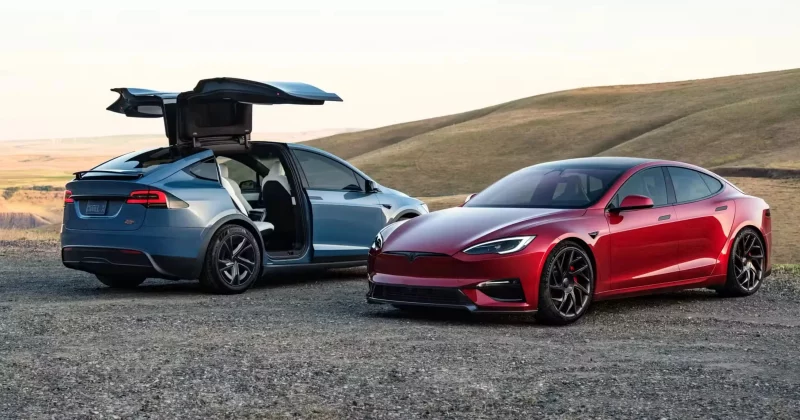
Tesla ends production of Model S and Model X, marks historic shift
The vehicles that put Tesla on the map are done, and a humanoid robot is taking their parking spot at the Fremont factory.
Tesla is handing over the last Model S and Model X cars ever built. The two vehicles that transformed Tesla from a Silicon Valley curiosity into a legitimate automaker are officially out of production, with roughly 600 units left in global inventory and no way to custom order one.
The move, first announced by Elon Musk during Tesla’s Q4 2025 earnings call, confirmed that production would cease in Q2 2026. As of early April 2026, the assembly lines have gone quiet. The Fremont factory space once dedicated to building luxury sedans and falcon-wing SUVs is being repurposed for Optimus, Tesla’s humanoid robot.
The cars that built the brand
The Model S arrived as proof that electric vehicles could be desirable, not just dutiful. The Model X followed with its theatrical falcon-wing doors, targeting the luxury SUV market and giving Tesla a second product line before the mass-market Model 3 changed the company’s trajectory entirely.
Robots over roadsters
Tesla is repurposing the Fremont factory capacity previously allocated to Model S and X production for Optimus, its humanoid robot program. The company is targeting a potential production capacity of 1 million robots per year by the end of 2026.
What’s left on the lot
About 600 units remain in worldwide inventory, and they’re almost entirely located in the United States. Canada and Europe have zero units available. Tesla is no longer accepting custom orders for either vehicle. The company has committed to continuing service and software updates for existing Model S and X owners for as long as they own their vehicles.
What this means for investors and the broader market
The Model S and X were low-volume products compared to the Model 3 and Model Y, which drive the vast majority of Tesla’s automotive revenue. The factory space reallocation commits physical capital to the Optimus thesis. The 1 million unit annual target for robot production by end of 2026 is the kind of number that sounds great on an earnings call and punishing on a quarterly miss.
Competitors in the luxury EV space, think Mercedes EQS, BMW i7, Lucid Air, won’t shed tears over the Model S and X departing. For rival automakers, this is a rare instance of Tesla voluntarily ceding territory.