
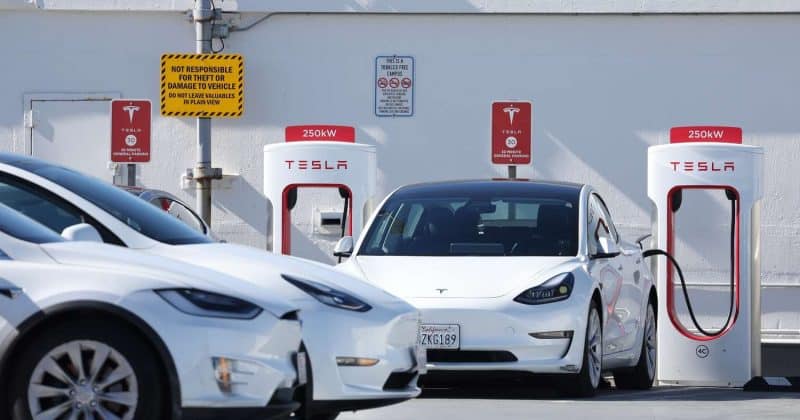
Tesla shares rise 3% in premarket after Q2 deliveries blow past estimates
The automaker delivered 480,126 vehicles in the second quarter, crushing analyst forecasts by more than 20%.
Tesla delivered 480,126 vehicles in the second quarter of 2026, a number that landed so far above Wall Street’s expectations it might as well have arrived in a different zip code. Analysts had penciled in somewhere between 396,500 and 408,600 units. Tesla beat the high end of that range by more than 70,000 cars.
Shares responded accordingly, climbing 3% in premarket trading on July 2.
The numbers behind the rebound
Tesla delivered just 358,023 vehicles in Q1 2026. That means Q2 deliveries jumped roughly 34% quarter over quarter.
Production came in at 451,758 vehicles for the period. Tesla delivered more vehicles than it produced, with that gap of about 28,000 units suggesting the company was working through existing inventory.
Tesla’s full-year 2025 deliveries totaled 1.64 million vehicles. At a quarterly run rate of 480,000, the company would be on pace to comfortably surpass that annual figure.
AI, tech, and the markets they move—in one daily briefing.
Daily. Free. Join 34,000+ readers across crypto, finance, and policy.
Analysts had projected only modest year-over-year growth of around 5% for Q2. Instead, Tesla appears to have delivered something closer to 34% year-over-year growth compared to Q2 2025.
What changed from Q1’s slump
The Q2 recovery appears to have been driven primarily by stronger performance in European and international markets. While US sales remained comparatively soft, overseas demand picked up enough slack to push the total well beyond what anyone was modeling.
What this means for investors
There’s also an underappreciated angle on Tesla’s balance sheet. The company continues to hold 11,509 BTC, valued at roughly $690 million as of early July. That Bitcoin position represents a meaningful digital asset allocation that differentiates the company from every traditional automaker.
The production-to-delivery gap is worth watching in coming quarters. When a company delivers more than it produces, it’s drawing down inventory, which means production needs to ramp if the delivery pace is going to hold.