
Nexo Earn with Nexo
Tom Emmer calls CBDC the ‘ultimate surveillance tool’ for America

Tom Emmer calls CBDC the ‘ultimate surveillance tool’ for America

The Minnesota Republican's anti-CBDC bill has passed the House and heads to the Senate, aiming to block the Federal Reserve from ever issuing a digital dollar directly to consumers.

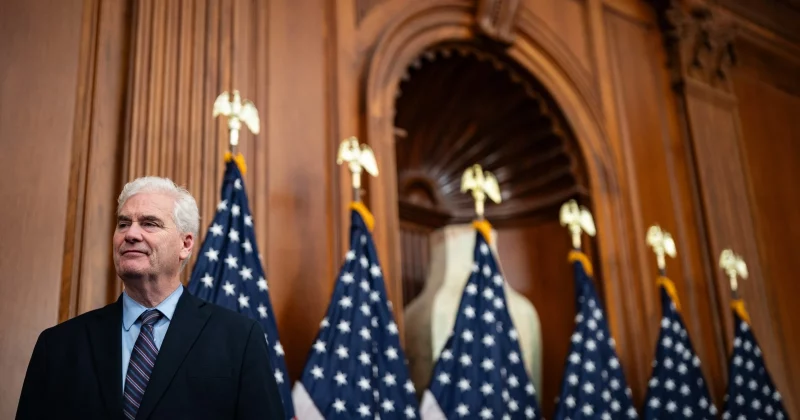
Rep. Tom Emmer has never been shy about his feelings toward a government-issued digital dollar. The Minnesota Republican has repeatedly called a central bank digital currency the “ultimate surveillance tool,” arguing it has no place in a country built on individual privacy and free-market principles.

His words aren’t just rhetoric. They come attached to actual legislation that’s now making its way through Congress.

The bill and its journey

Emmer is the lead sponsor of H.R. 1919, formally known as the Anti-CBDC Surveillance State Act. The bill does exactly what its name suggests: it would prohibit the Federal Reserve from issuing a CBDC directly to individuals.

But it goes further than a simple ban. The legislation requires explicit congressional approval before any digital dollar initiative can move forward. In English: the Fed can’t quietly build one in the background and roll it out. Congress would have to sign off first.

The House passed the bill on July 17, 2025, with a 219-210 vote. It was sent to the Senate on April 29, 2026, where it now awaits consideration.

That razor-thin margin tells you something about how politically charged the CBDC debate has become. This isn’t a bipartisan slam dunk. It’s a party-line fight dressed up in monetary policy clothing.

Advertisement

Why Emmer thinks a digital dollar is dangerous

Emmer’s core argument is straightforward: a CBDC issued by the Federal Reserve would give the government unprecedented visibility into every financial transaction Americans make. Unlike cash, which is anonymous by design, a digital dollar would create a permanent, traceable record of every purchase, transfer, and payment.

Think of it this way. Cash is like passing a note in class. Nobody knows what it says unless they physically intercept it. A CBDC would be more like sending that same note through the school’s email system, where administrators can read every word.

Emmer has consistently advocated for any future digital currency to reflect the privacy characteristics of physical cash. His position is that the technology should serve citizens, not become a mechanism for government monitoring.

Here’s the thing: this isn’t a fringe concern. The American Bankers Association has thrown its support behind Emmer’s bill, though their motivations are slightly different. The banking industry’s worry is that a retail CBDC could significantly disrupt the existing banking system. If consumers can hold digital dollars directly with the Fed, why would they need a commercial bank account at all?

That’s a question that keeps bank executives up at night. A CBDC wouldn’t just be a surveillance concern. It would be an existential threat to the intermediary role that banks have played for centuries.

The global chess game

Emmer’s push doesn’t exist in a vacuum. Countries around the world are racing to develop their own CBDCs, and China is leading the pack. The digital yuan has been in pilot programs across major Chinese cities for years, and Beijing sees it as a tool for both domestic efficiency and international influence.

This creates an awkward tension for CBDC critics in the US. On one hand, they argue a digital dollar threatens American values. On the other, doing nothing risks ceding ground to geopolitical rivals who are actively building the financial infrastructure of the future.

Emmer’s answer to this tension has been consistent: the US should embrace digital currency innovation, just not in the form of a government-controlled CBDC. He’s drawn a clear line between supporting private-sector crypto development and opposing a Fed-issued digital dollar.

That distinction matters. Blocking a CBDC doesn’t mean blocking digital money. It means keeping the government out of the issuance business while letting stablecoins and other private digital assets fill the gap. Whether that approach is sufficient to compete with state-backed digital currencies from China and elsewhere is a debate that’s far from settled.

What this means for investors

The bill’s passage through the House is a significant signal for the crypto industry. If it clears the Senate and becomes law, it would effectively kill any prospect of a US retail CBDC for the foreseeable future. That’s a win for privacy advocates and for the private stablecoin market, which would face far less competition from a government alternative.

Stablecoin issuers stand to benefit the most from this legislative direction. Without a CBDC on the horizon, dollar-pegged stablecoins become the de facto digital dollar. Companies operating in this space would see their strategic position strengthened considerably.

For the broader crypto market, the bill reflects a growing pattern in Washington: skepticism toward government-controlled digital money paired with increasing openness to private-sector crypto innovation. That regulatory posture, if it holds, creates a more favorable environment for decentralized finance and blockchain-based payment systems.

The risk to watch is the Senate. A 219-210 House vote suggests this could stall or die in the upper chamber, especially if the political winds shift. Investors tracking stablecoin regulation and digital dollar policy should keep a close eye on whether the Senate takes up H.R. 1919, and whether the narrow partisan split that defined the House vote holds or fractures when it gets there.

Disclosure: This article was edited by Editorial Team. For more information on how we create and review content, see our Editorial Policy.

Tom Emmer calls CBDC the ‘ultimate surveillance tool’ for America

Tom Emmer calls CBDC the ‘ultimate surveillance tool’ for America

The Minnesota Republican's anti-CBDC bill has passed the House and heads to the Senate, aiming to block the Federal Reserve from ever issuing a digital dollar directly to consumers.

Rep. Tom Emmer has never been shy about his feelings toward a government-issued digital dollar. The Minnesota Republican has repeatedly called a central bank digital currency the “ultimate surveillance tool,” arguing it has no place in a country built on individual privacy and free-market principles.

His words aren’t just rhetoric. They come attached to actual legislation that’s now making its way through Congress.

The bill and its journey

Emmer is the lead sponsor of H.R. 1919, formally known as the Anti-CBDC Surveillance State Act. The bill does exactly what its name suggests: it would prohibit the Federal Reserve from issuing a CBDC directly to individuals.

But it goes further than a simple ban. The legislation requires explicit congressional approval before any digital dollar initiative can move forward. In English: the Fed can’t quietly build one in the background and roll it out. Congress would have to sign off first.

The House passed the bill on July 17, 2025, with a 219-210 vote. It was sent to the Senate on April 29, 2026, where it now awaits consideration.

That razor-thin margin tells you something about how politically charged the CBDC debate has become. This isn’t a bipartisan slam dunk. It’s a party-line fight dressed up in monetary policy clothing.

Advertisement

Why Emmer thinks a digital dollar is dangerous

Emmer’s core argument is straightforward: a CBDC issued by the Federal Reserve would give the government unprecedented visibility into every financial transaction Americans make. Unlike cash, which is anonymous by design, a digital dollar would create a permanent, traceable record of every purchase, transfer, and payment.

Think of it this way. Cash is like passing a note in class. Nobody knows what it says unless they physically intercept it. A CBDC would be more like sending that same note through the school’s email system, where administrators can read every word.

Emmer has consistently advocated for any future digital currency to reflect the privacy characteristics of physical cash. His position is that the technology should serve citizens, not become a mechanism for government monitoring.

Here’s the thing: this isn’t a fringe concern. The American Bankers Association has thrown its support behind Emmer’s bill, though their motivations are slightly different. The banking industry’s worry is that a retail CBDC could significantly disrupt the existing banking system. If consumers can hold digital dollars directly with the Fed, why would they need a commercial bank account at all?

That’s a question that keeps bank executives up at night. A CBDC wouldn’t just be a surveillance concern. It would be an existential threat to the intermediary role that banks have played for centuries.

The global chess game

Emmer’s push doesn’t exist in a vacuum. Countries around the world are racing to develop their own CBDCs, and China is leading the pack. The digital yuan has been in pilot programs across major Chinese cities for years, and Beijing sees it as a tool for both domestic efficiency and international influence.

This creates an awkward tension for CBDC critics in the US. On one hand, they argue a digital dollar threatens American values. On the other, doing nothing risks ceding ground to geopolitical rivals who are actively building the financial infrastructure of the future.

Emmer’s answer to this tension has been consistent: the US should embrace digital currency innovation, just not in the form of a government-controlled CBDC. He’s drawn a clear line between supporting private-sector crypto development and opposing a Fed-issued digital dollar.

That distinction matters. Blocking a CBDC doesn’t mean blocking digital money. It means keeping the government out of the issuance business while letting stablecoins and other private digital assets fill the gap. Whether that approach is sufficient to compete with state-backed digital currencies from China and elsewhere is a debate that’s far from settled.

What this means for investors

The bill’s passage through the House is a significant signal for the crypto industry. If it clears the Senate and becomes law, it would effectively kill any prospect of a US retail CBDC for the foreseeable future. That’s a win for privacy advocates and for the private stablecoin market, which would face far less competition from a government alternative.

Stablecoin issuers stand to benefit the most from this legislative direction. Without a CBDC on the horizon, dollar-pegged stablecoins become the de facto digital dollar. Companies operating in this space would see their strategic position strengthened considerably.

For the broader crypto market, the bill reflects a growing pattern in Washington: skepticism toward government-controlled digital money paired with increasing openness to private-sector crypto innovation. That regulatory posture, if it holds, creates a more favorable environment for decentralized finance and blockchain-based payment systems.

The risk to watch is the Senate. A 219-210 House vote suggests this could stall or die in the upper chamber, especially if the political winds shift. Investors tracking stablecoin regulation and digital dollar policy should keep a close eye on whether the Senate takes up H.R. 1919, and whether the narrow partisan split that defined the House vote holds or fractures when it gets there.

Disclosure: This article was edited by Editorial Team. For more information on how we create and review content, see our Editorial Policy.