
Nexo Earn with Nexo
Mohamed Touré and Nestory Irankunda key to Socceroos’ 2026 World Cup squad

Mohamed Touré and Nestory Irankunda key to Socceroos’ 2026 World Cup squad

Two young attackers with African refugee backgrounds are set to lead Australia's most diverse World Cup squad into their opening match against Turkey

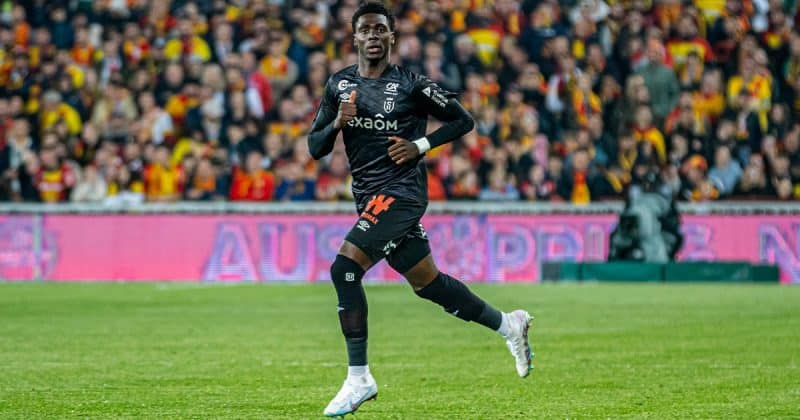
Australia’s 2026 World Cup campaign will lean heavily on two players who weren’t even on the senior national team radar three years ago. Mohamed Touré and Nestory Irankunda, both products of Adelaide’s football scene and England’s Championship, have become the Socceroos’ most dangerous attacking weapons heading into the tournament.

From Adelaide to the world stage

Touré, now 22, plays his club football at Norwich City. He made his Socceroos debut on October 13, 2023, and has since accumulated 9 caps and 2 goals for the national team.

Advertisement

Irankunda, just 20, represents Watford in the Championship. Despite debuting later, on June 6, 2024, he’s been more prolific at international level: 14 caps and 5 goals in roughly a year of senior football.

Both players share a connection that goes beyond wearing the same national team shirt. They formed a bond growing up in Adelaide, a city that has quietly become one of Australia’s most productive football talent pipelines. That existing chemistry is exactly what coach Tony Popovic is counting on as the squad prepares for their opening fixture against Turkey on June 14, 2026.

A squad that reflects modern Australia

The stories behind Touré and Irankunda add layers that go well beyond the pitch. Both come from African refugee backgrounds. Touré’s family has roots in Guinea and Liberia, while Irankunda’s heritage traces back to Burundi via Tanzania.

The Socceroos’ 2026 squad features six players of African descent, a number that would have been almost unthinkable a generation ago when the national team drew primarily from Anglo-Australian and Southern European communities.

What this means for the Socceroos’ tournament prospects

Touré’s role may be slightly different. With 2 goals in 9 caps, his numbers are more modest, but his ability to stretch defenses, combine with Irankunda, and create space for others in the attack gives Popovic tactical flexibility. Irankunda’s 5 goals in 14 international appearances suggest he’s already comfortable performing on the biggest stages available to him.

Disclosure: This article was edited by Editorial Team. For more information on how we create and review content, see our Editorial Policy.

Mohamed Touré and Nestory Irankunda key to Socceroos’ 2026 World Cup squad

Mohamed Touré and Nestory Irankunda key to Socceroos’ 2026 World Cup squad

Two young attackers with African refugee backgrounds are set to lead Australia's most diverse World Cup squad into their opening match against Turkey

Australia’s 2026 World Cup campaign will lean heavily on two players who weren’t even on the senior national team radar three years ago. Mohamed Touré and Nestory Irankunda, both products of Adelaide’s football scene and England’s Championship, have become the Socceroos’ most dangerous attacking weapons heading into the tournament.

From Adelaide to the world stage

Touré, now 22, plays his club football at Norwich City. He made his Socceroos debut on October 13, 2023, and has since accumulated 9 caps and 2 goals for the national team.

Advertisement

Irankunda, just 20, represents Watford in the Championship. Despite debuting later, on June 6, 2024, he’s been more prolific at international level: 14 caps and 5 goals in roughly a year of senior football.

Both players share a connection that goes beyond wearing the same national team shirt. They formed a bond growing up in Adelaide, a city that has quietly become one of Australia’s most productive football talent pipelines. That existing chemistry is exactly what coach Tony Popovic is counting on as the squad prepares for their opening fixture against Turkey on June 14, 2026.

A squad that reflects modern Australia

The stories behind Touré and Irankunda add layers that go well beyond the pitch. Both come from African refugee backgrounds. Touré’s family has roots in Guinea and Liberia, while Irankunda’s heritage traces back to Burundi via Tanzania.

The Socceroos’ 2026 squad features six players of African descent, a number that would have been almost unthinkable a generation ago when the national team drew primarily from Anglo-Australian and Southern European communities.

What this means for the Socceroos’ tournament prospects

Touré’s role may be slightly different. With 2 goals in 9 caps, his numbers are more modest, but his ability to stretch defenses, combine with Irankunda, and create space for others in the attack gives Popovic tactical flexibility. Irankunda’s 5 goals in 14 international appearances suggest he’s already comfortable performing on the biggest stages available to him.

Disclosure: This article was edited by Editorial Team. For more information on how we create and review content, see our Editorial Policy.