
Toyota’s $3.6B Texas bet signals a reshoring wave that crypto-adjacent supply chain plays should watch
The automaker is moving Tacoma production from Mexico to San Antonio, joining a broader reshoring trend that's reshaping North American manufacturing economics.
Toyota just committed $3.6 billion to expand its San Antonio, Texas manufacturing plant, moving Tacoma pickup truck production from Baja California, Mexico back to US soil. For crypto markets, this matters less for the trucks and more for what it signals: a structural shift in how global supply chains are being rewired, and where capital is flowing because of it.
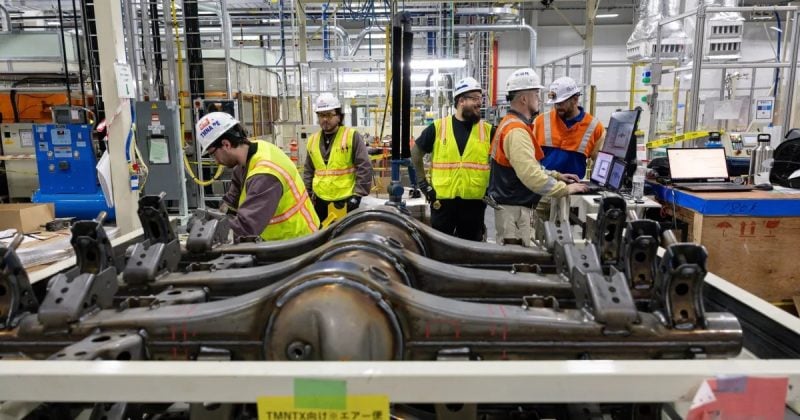
The Japanese automaker plans to add roughly 2.5 million square feet to its Texas facility, build a second Tacoma assembly line, and boost annual production capacity by 150,000 units. The transition is expected to take about four years and create more than 2,000 new jobs by around 2030.
The tariff math behind the move
Toyota had been producing the Tacoma exclusively in Mexico since 2021. That made sense when cross-border manufacturing was cheap and trade policy was stable. Neither of those things is true anymore.
US tariffs on Mexican-made vehicles have been escalating, and automakers are doing the math on whether it’s cheaper to pay the tariff or just build domestically. Toyota apparently did that math and came back with a $3.6 billion answer. The company will keep its Guanajuato plant running, so this isn’t a full exit from Mexico. But it’s a decisive pivot.
Why crypto investors should pay attention
First, reshoring is fundamentally a story about capital reallocation. Billions of dollars that would have flowed to manufacturing hubs in Mexico, China, or Southeast Asia are being redirected to domestic facilities. That changes the economic profile of entire regions, affects currency flows, and shifts the macro backdrop that crypto trades against.
The news moving money, markets, and the world—before your day starts.
Daily. Free. Join 34,000+ readers across crypto, finance, and policy.
Second, supply chain complexity is one of the strongest use cases for blockchain technology. As companies like Toyota restructure their manufacturing footprints across multiple countries with different tariff regimes, the need for transparent, real-time supply chain tracking becomes more acute. Protocols focused on supply chain verification, trade finance, and cross-border payments stand to benefit from exactly this kind of industrial reorganization.
Third, the reshoring trend is inherently inflationary in the short to medium term. Building new factories, hiring workers at US wage levels instead of Mexican wage levels, and duplicating capacity all cost more money. That inflationary impulse feeds directly into the macro narrative that has supported Bitcoin and other hard-cap assets as hedges against currency debasement.
The competitive landscape shifts
The 150,000 additional units of annual capacity in San Antonio is significant. The Tacoma is one of the best-selling midsize trucks in the US, and being able to produce it domestically gives Toyota both a marketing advantage (“Built in Texas” resonates with the truck-buying demographic) and a structural cost advantage if tariffs on Mexican imports continue climbing.
Toyota isn’t buying Bitcoin. But the economic forces driving its $3.6 billion Texas investment are the same forces that make the case for decentralized, border-agnostic financial infrastructure more compelling by the quarter.