
Benchmark Treasuries retreat as US strikes push oil prices higher
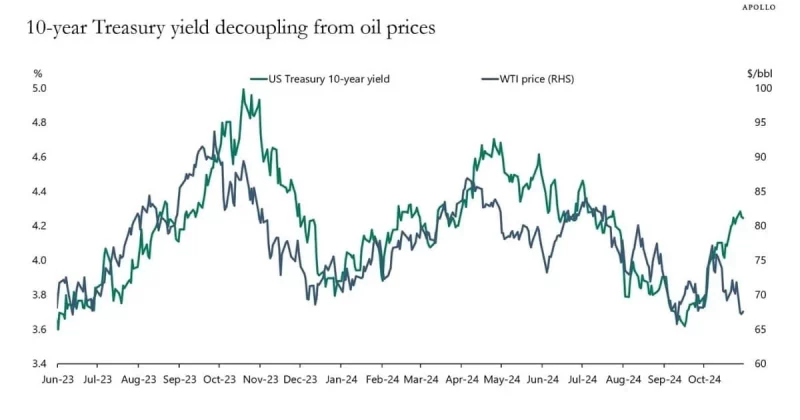
Rising oil prices from Persian Gulf military operations are driving Treasury yields higher, creating a challenging macro backdrop for risk assets including crypto.
US Treasury bonds are selling off as military strikes in the Persian Gulf send oil prices climbing, reigniting inflation fears that had only recently started to cool.
Brent crude oil surpassed $126 per barrel in April 2026, hitting a four-year high as the conflict between the US and Iran intensified around one of the world’s most critical energy chokepoints. The 10-year US Treasury yield has climbed to near 4.63% in May 2026, reflecting growing bets that inflation isn’t done causing problems.
Oil, inflation, and the yield spiral
The US-Iran conflict, which escalated with joint US-Israeli military strikes beginning on February 28, 2026, has placed extraordinary pressure on this dynamic. The Strait of Hormuz, a narrow waterway through which roughly a fifth of the world’s oil supply passes, sits at the epicenter of the tensions.
Additional US strikes in May 2026 have kept oil prices elevated, and with them, the anxiety premium baked into Treasury yields. At 4.63%, the 10-year note represents multi-month highs, a level that makes borrowing more expensive across the entire economy and puts downward pressure on asset valuations.
What this means for crypto and risk assets
Bitcoin has been trading below $100,000 amid this broader risk-off sentiment. When a “risk-free” asset like a US Treasury bond offers yields above 4.5%, the opportunity cost of holding volatile, non-yielding assets like Bitcoin goes up.
The broader crypto market hasn’t seen any specific tokens or protocols singled out in connection with the Treasury and oil price movements. This is a macro story, not a crypto-native one.
The bigger picture for investors
The Persian Gulf situation introduces a variable that monetary policy alone can’t solve. Supply-driven inflation, the kind caused by geopolitical disruption to energy markets, is the type that central banks find hardest to address without inflicting significant economic pain.
The key indicators to monitor include Brent crude prices stabilizing or retreating from the $126 per barrel range, a reversal in Treasury yield momentum, and any de-escalation signals from the Persian Gulf conflict.