
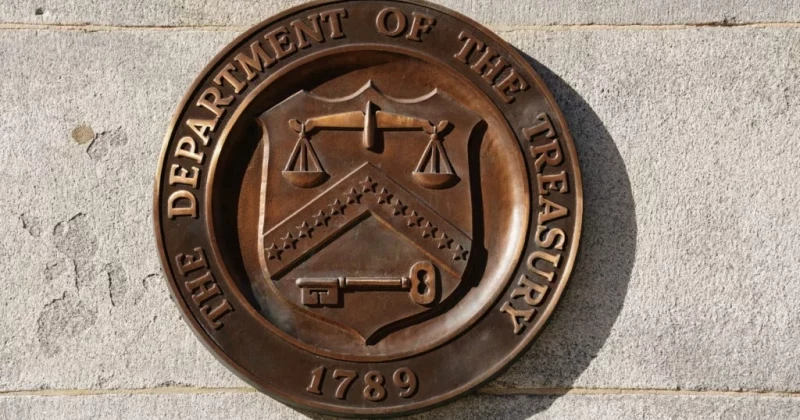
US Treasury sanctions Sinaloa Cartel over crypto-fueled fentanyl trafficking
OFAC targeted individuals, entities, and Ethereum addresses tied to the cartel's use of digital assets to launder fentanyl proceeds and procure precursor chemicals from China.
The US Treasury’s Office of Foreign Assets Control has been waging a quiet financial war against the Sinaloa Cartel, and cryptocurrency wallets are now firmly in the crosshairs. OFAC has sanctioned individuals, entities, and specific Ethereum addresses connected to the cartel’s fentanyl trafficking network, marking a significant escalation in how the federal government traces and disrupts drug money flowing through digital assets.
The move reflects a broader reality that Washington has been grappling with for years: the same technology that powers decentralized finance is also powering one of the deadliest drug pipelines in American history.
Following the money on-chain
One of the most notable actions in this campaign came on September 26, 2023, when OFAC sanctioned Mario Alberto Jiménez Castro, a money launderer tied to the Sinaloa Cartel. That sanction included a specific Ethereum wallet address linked to Jiménez Castro, one that had received approximately $740,000 over an 11-month period.
That detail matters. It was the first time OFAC publicly tied a Mexican cartel to a specific cryptocurrency address. In English: the Treasury basically put a neon sign on a blockchain wallet and told the entire crypto ecosystem, “touch this and you’re in violation of US sanctions law.”
Jiménez Castro allegedly laundered fentanyl sales proceeds using a combination of virtual currency and traditional wire transfers. The funds were then routed back to cartel leadership in Mexico. Think of it as a digital hawala network, except instead of informal brokers, the intermediary is the Ethereum blockchain.
The sanctioning of a specific wallet address carries real consequences across the crypto industry. Every compliant exchange, every regulated DeFi front-end, every custodial service operating under US jurisdiction is now legally obligated to block transactions involving that address. Failing to do so risks running afoul of some of the most punishing financial enforcement mechanisms the US government has at its disposal.
The bigger picture: 290 targets and counting
Jiménez Castro wasn’t an isolated case. The Treasury’s broader fentanyl-focused sanctions campaign has targeted over 290 individuals and entities associated with the Sinaloa Cartel’s synthetic opioid operations. These designations fall under Executive Order 14059, which gives the Treasury expanded authority to go after networks involved in the trafficking of illicit drugs, particularly synthetic opioids like fentanyl.
The crypto and markets news you actually need—every morning.
Daily. Free. Join 34,000+ readers across crypto, finance, and policy.
Here’s the thing. The cartel isn’t using crypto because it’s ideologically committed to financial sovereignty. It’s using crypto because it works, at least for now, as a procurement tool. Mexican transnational criminal organizations have increasingly turned to virtual currencies like Bitcoin and Ether to purchase fentanyl precursor chemicals from suppliers in China.
The supply chain is grimly efficient. Precursors are bought with crypto from Chinese chemical manufacturers, shipped to Mexico, synthesized into fentanyl, and then pushed across the US border. The profits flow back through a mix of crypto wallets, cash, and wire transfers. It’s globalized manufacturing with a body count.
The blockchain analytics firm TRM Labs reported that US sanctions have had a measurable impact on this pipeline. According to the firm, the growth rate of crypto-denominated fentanyl sales dropped to around 60% in 2023. That’s still a staggering growth rate, to be clear, but it represents a slowdown from prior years, suggesting that the sanctions regime is creating at least some friction in the cartel’s financial plumbing.
What the crypto industry should be watching
For the crypto industry, this is more than a law enforcement story. It’s a regulatory signal. Every time OFAC adds a wallet address to its Specially Designated Nationals list, the compliance burden on the entire ecosystem ratchets up another notch. Exchanges need to screen against these addresses. DeFi protocols face growing pressure to implement some form of address filtering. And the political narrative around crypto’s role in illicit finance gets a fresh data point.
The Sinaloa Cartel sanctions also illustrate why the “crypto is anonymous” narrative is increasingly outdated. The Treasury was able to identify a specific wallet, tie it to a specific individual, quantify the funds flowing through it, and publicly designate both the person and the address. Blockchain transparency, the very feature that makes crypto attractive for certain legitimate use cases, is also what makes it traceable when law enforcement has the right tools and motivation.
That said, enforcement has limits. Sanctioning a wallet address doesn’t make the funds disappear. Sophisticated actors can use mixers, bridges, and chain-hopping to obscure the trail. The $740,000 that flowed through Jiménez Castro’s Ethereum wallet is a fraction of the cartel’s overall revenue. The real question is whether these sanctions can scale fast enough to meaningfully disrupt a multi-billion dollar drug trafficking operation that has proven remarkably adaptable.
For investors and builders in the crypto space, the practical takeaway is straightforward. Regulatory scrutiny around illicit finance is intensifying, not receding. The fentanyl crisis gives lawmakers and regulators a politically potent reason to push for stricter compliance requirements across the digital asset industry. Any protocol or platform that doesn’t take sanctions screening seriously is playing a dangerous game, not just legally, but reputationally.
The intersection of crypto and cartel finance also complicates the industry’s lobbying efforts in Washington. Every headline about fentanyl money flowing through Ethereum wallets makes it harder for crypto advocates to argue for lighter regulatory frameworks. Whether or not that’s a fair characterization of the broader ecosystem is almost beside the point. In politics, perception drives policy, and the Sinaloa connection gives skeptics a powerful talking point that won’t fade anytime soon.