
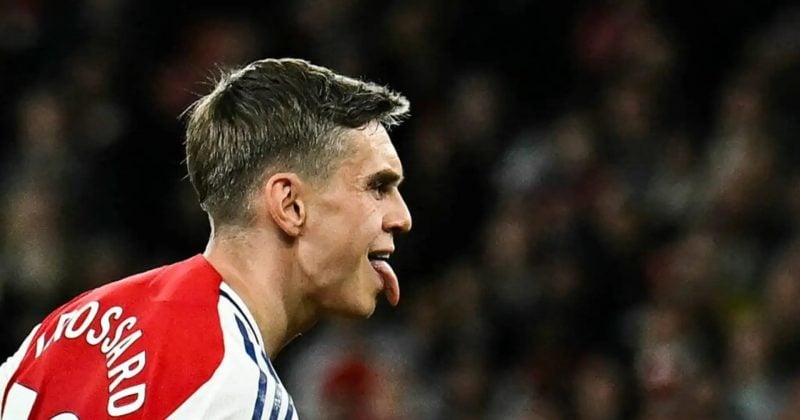
Arsenal sells Trossard to Beşiktaş for €20M as crypto sponsorships reshape football economics
The Belgian forward's transfer is old-school finance, but both clubs are increasingly entangled with the crypto industry through fan tokens and exchange partnerships
Leandro Trossard is officially a Beşiktaş player. The Belgian forward completed his move from Arsenal to the Turkish club for €20 million, a transfer that was handled entirely through traditional financial rails. No smart contracts, no on-chain settlements, no stablecoins wired between treasuries.
But here’s the thing: both clubs on either side of this deal are deeply embedded in the crypto ecosystem. And that makes a straightforward player transfer worth paying attention to if you’re watching how digital assets are quietly rewiring the business of professional sports.
The crypto layer hiding in plain sight
Beşiktaş launched its own fan token, BJK, back in October 2023 through Chiliz, the blockchain platform that has become the default infrastructure for sports fan tokens globally. Holders can vote on minor club decisions, access exclusive content, and trade the token on secondary markets.
The BJK token was recently trading at approximately $0.147 with what can charitably be described as limited activity.
On Arsenal’s side, the crypto connection runs through a different channel. The Premier League club signed a multi-year sponsorship agreement with Bitpanda, the European crypto trading platform, announced on August 14, 2025.
Fan tokens vs. exchange sponsorships: two very different bets
There’s a useful distinction to draw here between Beşiktaş’s approach and Arsenal’s. They represent two fundamentally different strategies for how sports organizations interact with the crypto industry.
The news moving money, markets, and the world—before your day starts.
Daily. Free. Join 34,000+ readers across crypto, finance, and policy.
Beşiktaş went the fan token route, which means creating a native digital asset tied to the club’s brand. The upside is direct engagement with a global fanbase and a new revenue line from token sales. The downside is that you’ve essentially created a micro-cap speculative asset that your most passionate supporters are buying. The BJK token’s current trading activity suggests the club hasn’t cracked that engagement problem.
Arsenal took the sponsorship route, which is structurally simpler. Bitpanda pays Arsenal money. Arsenal puts Bitpanda’s logo on things. The club doesn’t need to worry about token price action or regulatory scrutiny around selling digital assets to fans.
Why blockchain still hasn’t touched player transfers
The Trossard deal is another data point confirming that reality. Despite both clubs having active relationships with blockchain-adjacent companies, the actual movement of a player between two clubs in 2026 still looks exactly like it did in 2006: lawyers, bank wires, and a medical exam.
Trossard also exists as a digital collectible on Sorare, the fantasy football platform built on Ethereum. His NFT cards can be traded and used in competitions on that platform. But Sorare operates in a completely separate universe from actual transfer dealings. It’s a game layer on top of football, not an infrastructure layer beneath it. Notably, the transfer does not activate any associated utilities within the fan token ecosystem or trigger any airdrops or on-chain events.
What crypto investors should actually watch
For anyone holding fan tokens like BJK, the historically low volume on BJK suggests that even a marquee signing isn’t enough to revive a token that has failed to establish consistent utility.
The bigger picture is about the durability of crypto sponsorship deals in professional sports. If platforms like Bitpanda continue generating enough revenue to justify multi-year Premier League partnerships, that’s a bullish signal for the sector’s commercial maturity. If fan tokens continue to languish at fractions of their launch prices with minimal trading activity, that’s a product category that may need a fundamental rethink.