
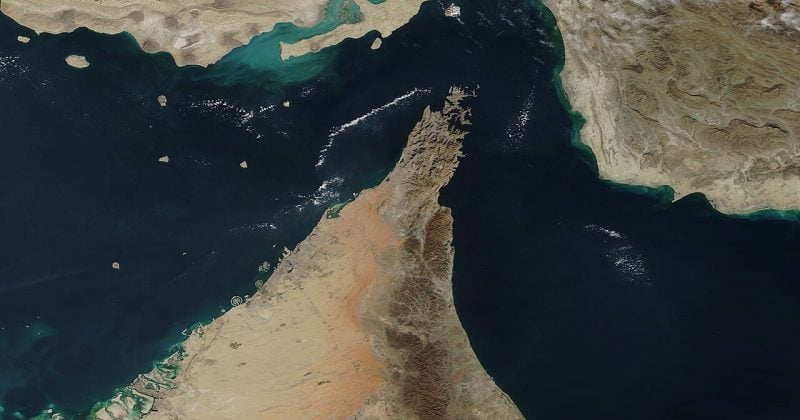
Trump abandons proposed 20% cargo fee for Strait of Hormuz, easing oil market tensions
The reversal removes a potential shock to global shipping costs, but crypto markets are still processing weeks of Hormuz-driven volatility.
President Trump announced the country will abandon the proposed 20% cargo fee on goods transiting the Strait of Hormuz, reversing a plan he himself unveiled just days earlier on July 13.
The Strait of Hormuz is the narrow waterway between Iran and Oman through which roughly 20% of the world’s oil and gas exports flow.
What was the proposal, and why did it matter
Trump’s original pitch framed the US as the “Guardian of the Hormuz Strait,” positioning the fee as a way to fund American maritime security operations in the region. The logic: if the US Navy is keeping the shipping lanes safe, someone should foot the bill.
A 20% levy on cargo value through the world’s most important oil chokepoint would have sent shipping costs soaring. US-Iran relations have been deteriorating throughout 2026, featuring naval blockades, airstrikes, and persistent disruptions to shipping routes.
Crypto markets felt the Hormuz effect before this reversal
Back in April 2026, when US naval orders triggered a temporary blockade of the strait, Bitcoin dropped below $71,000 during that episode. Meanwhile, oil futures on the Hyperliquid decentralized trading platform surged 7% intraday.
Iran’s crypto experiments add another layer
Reports have surfaced that Iran has been exploring crypto-based payment mechanisms for tanker tolls, including proposals involving charges of $1 per barrel settled through digital assets. Some of these discussions have reportedly involved USD1, a stablecoin linked to the Trump family.
What this means for investors
For Bitcoin specifically, the April drawdown below $71,000 showed that Hormuz disruptions tend to hurt crypto in the short term. In practice, acute geopolitical shocks trigger dollar demand, not Bitcoin demand.
The fact that oil futures on Hyperliquid moved 7% on a geopolitical event suggests that DeFi commodity markets are reaching a level of liquidity and participation where they genuinely reflect real-world supply and demand signals.
Treasury’s Office of Foreign Assets Control has already been expanding its crypto enforcement capabilities, and a high-profile case involving strait transit payments could accelerate new compliance requirements across the stablecoin sector.