
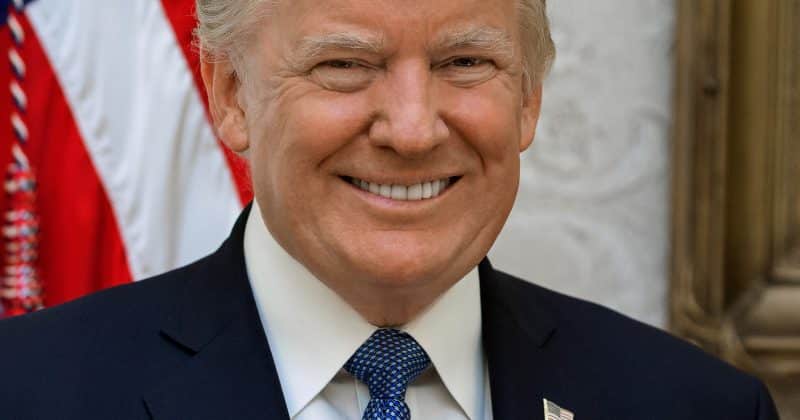
Trump accuses Iran of violating ceasefire with drone attack on cargo ships

Trump accuses Iran of violating ceasefire with drone attack on cargo ships

The accusation centers on alleged drone strikes against vessels in the Strait of Hormuz, one of the world's most critical energy chokepoints.

President Donald Trump has accused Iran of violating a ceasefire agreement by firing drones at cargo ships in the Strait of Hormuz. The allegation, if substantiated, would represent a significant escalation in an already volatile region that serves as the world’s most important oil transit corridor.

Roughly 20% of global oil shipments pass through the Strait of Hormuz.

Advertisement

What we know so far

Trump’s accusation points to drone strikes targeting cargo vessels in the narrow waterway separating Iran from the Arabian Peninsula. The claim references a ceasefire framework between the US and Iran, suggesting that whatever detente existed between the two nations is now, in Washington’s view, broken.

No vessel names have been publicly identified. No casualty figures have been disclosed. And no official response from Iranian authorities has surfaced in the immediate aftermath of Trump’s statement. No cryptocurrencies or digital asset market reactions have been reported in connection with the claim, and the lack of coverage among major news outlets suggests an absence of direct consequences on digital asset markets.

The Strait of Hormuz: why it matters for everything

The Strait of Hormuz is a narrow bottleneck between the Persian Gulf and the open ocean. One-fifth of all oil traded globally passes through it. Iran’s coastline runs along the strait’s northern edge, giving Tehran practical leverage over one of the most important trade routes on the planet.

Previous incidents in the strait include tanker attacks in 2019 that were attributed to Iranian military actions, which prompted the US to bolster military presence in the region and heightened insurance premiums for shipping companies operating in those waters.

Disclosure: This article was edited by Editorial Team. For more information on how we create and review content, see our Editorial Policy.

Trump accuses Iran of violating ceasefire with drone attack on cargo ships

Trump accuses Iran of violating ceasefire with drone attack on cargo ships

The accusation centers on alleged drone strikes against vessels in the Strait of Hormuz, one of the world's most critical energy chokepoints.

President Donald Trump has accused Iran of violating a ceasefire agreement by firing drones at cargo ships in the Strait of Hormuz. The allegation, if substantiated, would represent a significant escalation in an already volatile region that serves as the world’s most important oil transit corridor.

Roughly 20% of global oil shipments pass through the Strait of Hormuz.

Advertisement

What we know so far

Trump’s accusation points to drone strikes targeting cargo vessels in the narrow waterway separating Iran from the Arabian Peninsula. The claim references a ceasefire framework between the US and Iran, suggesting that whatever detente existed between the two nations is now, in Washington’s view, broken.

No vessel names have been publicly identified. No casualty figures have been disclosed. And no official response from Iranian authorities has surfaced in the immediate aftermath of Trump’s statement. No cryptocurrencies or digital asset market reactions have been reported in connection with the claim, and the lack of coverage among major news outlets suggests an absence of direct consequences on digital asset markets.

The Strait of Hormuz: why it matters for everything

The Strait of Hormuz is a narrow bottleneck between the Persian Gulf and the open ocean. One-fifth of all oil traded globally passes through it. Iran’s coastline runs along the strait’s northern edge, giving Tehran practical leverage over one of the most important trade routes on the planet.

Previous incidents in the strait include tanker attacks in 2019 that were attributed to Iranian military actions, which prompted the US to bolster military presence in the region and heightened insurance premiums for shipping companies operating in those waters.

Disclosure: This article was edited by Editorial Team. For more information on how we create and review content, see our Editorial Policy.