
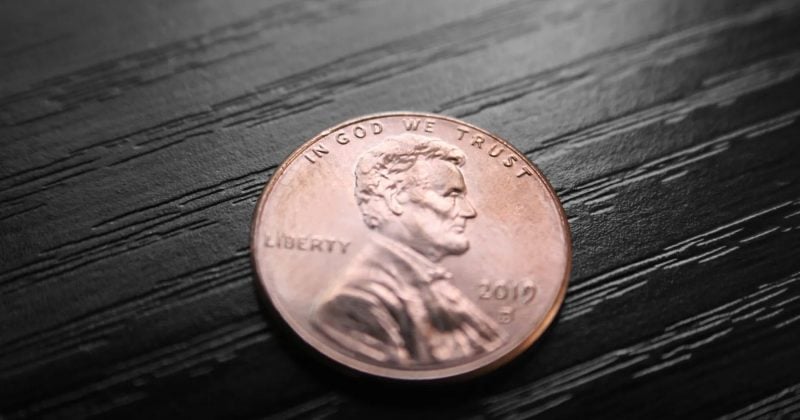
The US just killed the penny, and it tells us something about the future of money
Treasury found legal authority to halt penny production, saving $56 million annually as America inches further from physical cash.
It costs 3.69 cents to make a single penny. The US government has been losing money on money itself, and the Trump administration finally decided to stop the bleeding.
Treasury Secretary Scott Bessent announced the cessation of penny production effective November 12, 2025, after legal analysis confirmed that existing federal statutes give the Treasury Secretary authority to set penny production to zero if deemed unnecessary. The last circulating penny was struck by US Treasurer Brandon Beach at the Philadelphia Mint, closing a chapter in American coinage history that dates back to 1793.
The economics of a coin that costs more than it’s worth
Here’s the thing about the penny: its production costs have nearly tripled over the last decade. What once cost 1.3 cents per coin ballooned to 3.69 cents, meaning the government was spending roughly 2.7 cents more than face value on every single penny it produced.
The US Mint estimates the halt will save approximately $56 million annually.
The legal pathway was the key obstacle. Previous efforts to kill the penny had stalled in Congress, where nostalgia and lobbying from the zinc industry kept the coin on life support. But Treasury’s lawyers found that existing law already grants the Secretary authority to determine production levels, including setting them to zero. No new legislation required.
The news moving money, markets, and the world—before your day starts.
Daily. Free. Join 34,000+ readers across crypto, finance, and policy.
Pennies will remain legal tender indefinitely. The Federal Reserve will continue managing the billions of existing coins still rattling around in jars, couch cushions, and tip jars across the country. Collector and commemorative pennies will also continue to be minted.
Why crypto investors should pay attention to a one-cent coin
No new rounding rules have been introduced, which means cash transactions technically remain unchanged.
The nickel currently costs more than five cents to produce as well. If this administration is willing to act on production authority without congressional approval for the penny, the precedent extends further than one coin.
What this means for investors
Third, watch the legislative landscape. The legal pathway Treasury used here, acting on existing statutory authority rather than seeking new laws, is the same approach regulators have used in the crypto space. The SEC has long argued it has existing authority over digital assets. Treasury just demonstrated that existing authority can be wielded to make significant changes to the monetary system without Congress weighing in.