
Nexo Earn with Nexo
Trump expects AI companies to agree to ‘giving back’ to public through equity sharing

Trump expects AI companies to agree to ‘giving back’ to public through equity sharing

The president plans to meet with top AI executives about funneling corporate wealth back to everyday Americans through a proposed public wealth fund.

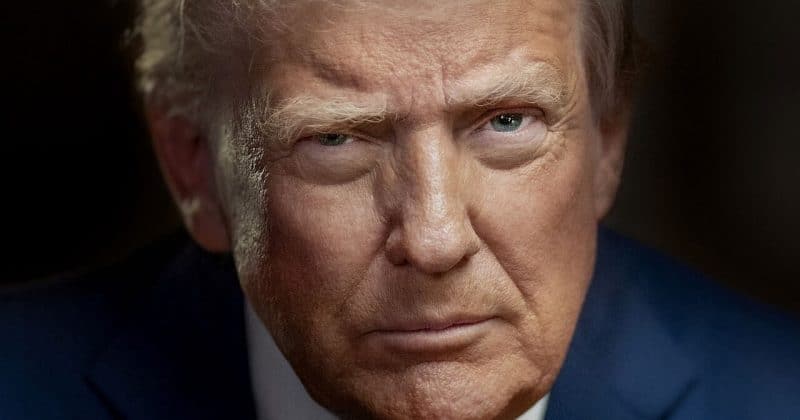
President Donald Trump said on June 10 that he believes major AI companies will voluntarily agree to share their wealth with the American public. The statement came alongside plans to sit down with roughly 12 to 15 top AI executives to discuss how, exactly, that might work.

The proposal centers on equity stakes or dividend-like mechanisms that would channel value from AI-driven economic growth back to ordinary citizens.

What’s actually on the table

The core concept involves contributions to what’s being called a Public Wealth Fund, a government-managed pool of assets, funded by AI companies, that would theoretically let citizens benefit from the explosive growth these firms are experiencing.

Advertisement

This idea connects to prior discussions between the administration and OpenAI about potential contributions to such a fund. The conversations fit within the broader framework of Trump’s AI Action Plan, which launched in July 2025 with the stated goal of cementing US dominance in artificial intelligence.

No formal agreements have been announced. No specific numbers, percentages, or ownership structures have been disclosed publicly.

No crypto, no tokens, no blockchain

The administration’s approach here is squarely rooted in traditional corporate equity models. The focus is on getting traditional corporate equity flowing into a government-administered fund, not on building novel financial rails.

Why this matters for investors

If the administration succeeds in getting AI companies to commit equity or dividends to a public fund, it would represent a genuinely new model of corporate-government interaction: a voluntary contribution of ownership stakes rather than a tax or regulation.

Tech equity investors should be watching closely. Companies that agree to share ownership with a public fund are effectively diluting their existing shareholders. The details, how much equity, on what terms, with what governance rights, would determine whether this is a symbolic gesture or a material hit to shareholder value.

What investors should actually track from here: the executive meeting itself, any memoranda of understanding that emerge from it, and whether Congress gets involved in formalizing the fund structure.

Disclosure: This article was edited by Editorial Team. For more information on how we create and review content, see our Editorial Policy.

Trump expects AI companies to agree to ‘giving back’ to public through equity sharing

Trump expects AI companies to agree to ‘giving back’ to public through equity sharing

The president plans to meet with top AI executives about funneling corporate wealth back to everyday Americans through a proposed public wealth fund.

President Donald Trump said on June 10 that he believes major AI companies will voluntarily agree to share their wealth with the American public. The statement came alongside plans to sit down with roughly 12 to 15 top AI executives to discuss how, exactly, that might work.

The proposal centers on equity stakes or dividend-like mechanisms that would channel value from AI-driven economic growth back to ordinary citizens.

What’s actually on the table

The core concept involves contributions to what’s being called a Public Wealth Fund, a government-managed pool of assets, funded by AI companies, that would theoretically let citizens benefit from the explosive growth these firms are experiencing.

Advertisement

This idea connects to prior discussions between the administration and OpenAI about potential contributions to such a fund. The conversations fit within the broader framework of Trump’s AI Action Plan, which launched in July 2025 with the stated goal of cementing US dominance in artificial intelligence.

No formal agreements have been announced. No specific numbers, percentages, or ownership structures have been disclosed publicly.

No crypto, no tokens, no blockchain

The administration’s approach here is squarely rooted in traditional corporate equity models. The focus is on getting traditional corporate equity flowing into a government-administered fund, not on building novel financial rails.

Why this matters for investors

If the administration succeeds in getting AI companies to commit equity or dividends to a public fund, it would represent a genuinely new model of corporate-government interaction: a voluntary contribution of ownership stakes rather than a tax or regulation.

Tech equity investors should be watching closely. Companies that agree to share ownership with a public fund are effectively diluting their existing shareholders. The details, how much equity, on what terms, with what governance rights, would determine whether this is a symbolic gesture or a material hit to shareholder value.

What investors should actually track from here: the executive meeting itself, any memoranda of understanding that emerge from it, and whether Congress gets involved in formalizing the fund structure.

Disclosure: This article was edited by Editorial Team. For more information on how we create and review content, see our Editorial Policy.