
Trump expects AI companies to agree to public benefit sharing
The president floated profit-sharing and equity stakes as mechanisms to ensure Americans benefit from AI advancements
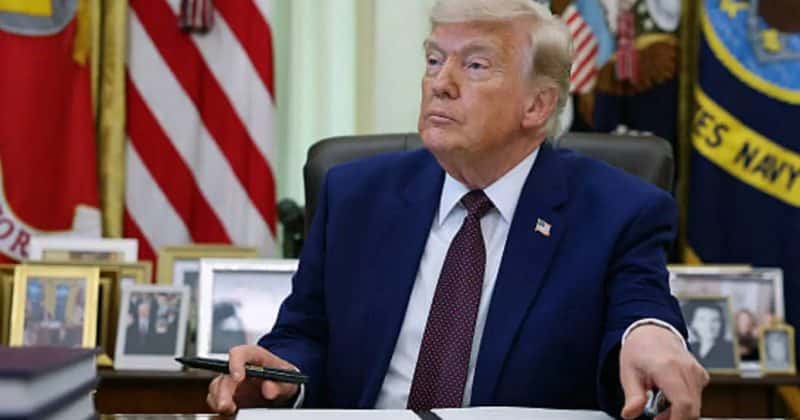
President Trump wants the biggest AI companies in America to start sharing the wealth. On June 10, he announced expectations that leading AI firms would agree to “give back to the public” through mechanisms like profit-sharing arrangements or equity stakes, framing the push as a natural evolution of the government’s existing partnerships with the tech sector.
The Intel playbook, scaled up
Trump pointed to the US government’s 10% stake in Intel as the template for what an AI-public partnership could look like. Discussions with AI leaders reportedly began as early as 2025, with OpenAI CEO Sam Altman among the key figures involved in shaping the framework.
Both OpenAI and Anthropic have filed for IPOs. That timing is not coincidental. When companies are about to go public, they tend to be more receptive to conversations about giving things away, especially when the person asking controls the regulatory environment they operate in.
Regulatory teeth behind the handshake
On June 2, Trump signed an executive order requiring AI firms to share substantial models with the government for review 30 days before public release. Before any major AI model reaches public deployment, federal reviewers get a month-long head start to examine it.
The combination of the executive order and the benefit-sharing discussions paints a picture of a two-track strategy. Track one is oversight: make sure the government knows what’s coming before it ships. Track two is economic: make sure the public sees financial returns, not just productivity gains that flow exclusively to shareholders.
What this means for investors
The profit-sharing and equity-stake proposals introduce a new variable into the valuation math for AI companies approaching public markets. If the government secures equity positions similar to its Intel arrangement, that dilutes existing shareholders.
The executive order’s 30-day review requirement also introduces a speed bump that decentralized, open-source AI projects wouldn’t face, at least not under current interpretations.
The most immediate market signal to watch is how OpenAI and Anthropic price their IPOs in light of these discussions. If their S-1 filings include provisions for government equity stakes or public benefit obligations, it will tell investors exactly how much of the profit-sharing framework has already been baked into the deal.