
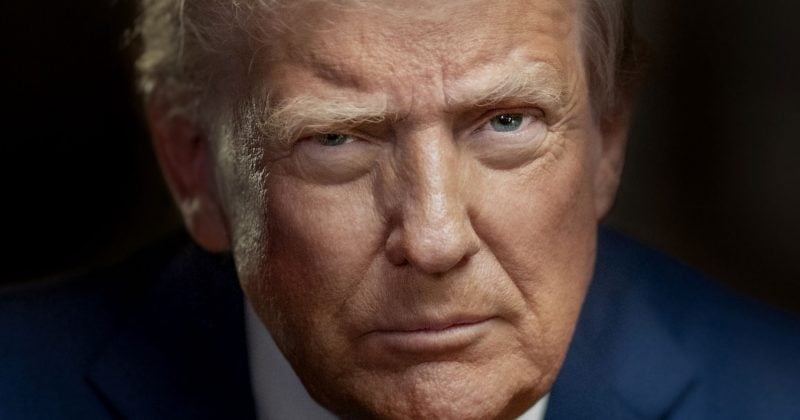
Trump directs DOJ to investigate Exxon and Chevron for price gouging

Trump directs DOJ to investigate Exxon and Chevron for price gouging

The president accuses oil majors of failing to pass crude oil savings to consumers as midterm elections loom

President Trump has ordered the Department of Justice to investigate Exxon Mobil and Chevron for allegedly keeping gasoline prices artificially high while crude oil costs have plummeted. The announcement, made June 24 via Truth Social, marks an unusual moment: a Republican president going after Big Oil.

Here’s the thing. Crude oil prices have dropped roughly 36% from their May highs. But the average US gasoline price sits at $3.93 per gallon, only about 14% lower than the May peak. That gap between crude savings and pump prices is what has the administration reaching for the investigation lever.

The math that set off the alarm

For context, the national average for a gallon of gas was $2.76 back in January. That means even after crude’s dramatic slide from May peaks, consumers are still paying roughly $1.17 more per gallon than they were six months ago.

Advertisement

The American Petroleum Institute has pushed back on the simple math, noting that gasoline and crude oil prices don’t move in lockstep. Supply chain disruptions, refining capacity constraints, and distribution logistics all create friction between what happens in commodity markets and what shows up on the gas station sign. In English: there are legitimate reasons the two prices don’t track perfectly, but whether those reasons account for a 22-percentage-point gap is exactly what the DOJ will presumably try to figure out.

Trump framed the issue in characteristically blunt terms, accusing the companies of “gouging” consumers. The accusation came through both a Truth Social post and a video clip released by the administration.

How we got here: Iran, oil spikes, and a peace deal

The current pricing mess traces back to a geopolitical chain reaction earlier this year. In late February, US and Israeli military strikes against Iran sent crude oil prices surging. The Strait of Hormuz, the narrow waterway through which a massive share of global oil flows, became a chokepoint of anxiety for markets and consumers alike.

Then came diplomatic progress. A peace deal and the reopening of the Strait of Hormuz sent crude prices tumbling back down. But at the pump, prices proved stickier on the way down than they were on the way up, a phenomenon economists call “rockets and feathers” pricing.

The timing is notable. Midterm elections are approaching in November, and gas prices remain one of the most visible economic indicators for voters.

What this means for investors

Even if no formal charges materialize, the public scrutiny could pressure both companies into accelerating price reductions at the pump. That would compress refining margins, which have been a significant profit driver during periods of crude volatility.

Investors should also consider the signaling effect. A sitting president publicly directing law enforcement to investigate specific publicly traded companies creates uncertainty that markets generally don’t appreciate.

Disclosure: This article was edited by Editorial Team. For more information on how we create and review content, see our Editorial Policy.

Trump directs DOJ to investigate Exxon and Chevron for price gouging

Trump directs DOJ to investigate Exxon and Chevron for price gouging

The president accuses oil majors of failing to pass crude oil savings to consumers as midterm elections loom

President Trump has ordered the Department of Justice to investigate Exxon Mobil and Chevron for allegedly keeping gasoline prices artificially high while crude oil costs have plummeted. The announcement, made June 24 via Truth Social, marks an unusual moment: a Republican president going after Big Oil.

Here’s the thing. Crude oil prices have dropped roughly 36% from their May highs. But the average US gasoline price sits at $3.93 per gallon, only about 14% lower than the May peak. That gap between crude savings and pump prices is what has the administration reaching for the investigation lever.

The math that set off the alarm

For context, the national average for a gallon of gas was $2.76 back in January. That means even after crude’s dramatic slide from May peaks, consumers are still paying roughly $1.17 more per gallon than they were six months ago.

Advertisement

The American Petroleum Institute has pushed back on the simple math, noting that gasoline and crude oil prices don’t move in lockstep. Supply chain disruptions, refining capacity constraints, and distribution logistics all create friction between what happens in commodity markets and what shows up on the gas station sign. In English: there are legitimate reasons the two prices don’t track perfectly, but whether those reasons account for a 22-percentage-point gap is exactly what the DOJ will presumably try to figure out.

Trump framed the issue in characteristically blunt terms, accusing the companies of “gouging” consumers. The accusation came through both a Truth Social post and a video clip released by the administration.

How we got here: Iran, oil spikes, and a peace deal

The current pricing mess traces back to a geopolitical chain reaction earlier this year. In late February, US and Israeli military strikes against Iran sent crude oil prices surging. The Strait of Hormuz, the narrow waterway through which a massive share of global oil flows, became a chokepoint of anxiety for markets and consumers alike.

Then came diplomatic progress. A peace deal and the reopening of the Strait of Hormuz sent crude prices tumbling back down. But at the pump, prices proved stickier on the way down than they were on the way up, a phenomenon economists call “rockets and feathers” pricing.

The timing is notable. Midterm elections are approaching in November, and gas prices remain one of the most visible economic indicators for voters.

What this means for investors

Even if no formal charges materialize, the public scrutiny could pressure both companies into accelerating price reductions at the pump. That would compress refining margins, which have been a significant profit driver during periods of crude volatility.

Investors should also consider the signaling effect. A sitting president publicly directing law enforcement to investigate specific publicly traded companies creates uncertainty that markets generally don’t appreciate.

Disclosure: This article was edited by Editorial Team. For more information on how we create and review content, see our Editorial Policy.