
Nexo Earn with Nexo
Donald Trump arrives in France for G7 Summit after US-Iran peace deal announcement

Donald Trump arrives in France for G7 Summit after US-Iran peace deal announcement

Bitcoin surged past $66K as the deal promises to reopen the Strait of Hormuz and end a 106-day conflict that disrupted 20% of global oil trade

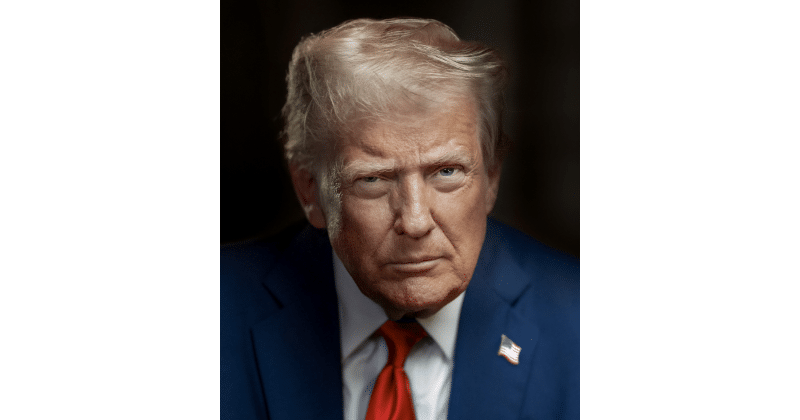
President Donald Trump touched down in France for the G7 Summit in Évian on June 15, carrying what might be his biggest foreign policy card yet: a freshly announced peace agreement with Iran. The deal, if it holds, would end a military conflict that has stretched 106 days and choked off one of the most important shipping lanes on the planet.

Bitcoin responded almost immediately, pushing past $66,000 as traders digested the implications. Oil prices, meanwhile, dropped roughly 5%.

What the deal actually covers

The agreement centers on two immediate actions: ending the US naval blockade of Iranian ports and reopening the Strait of Hormuz. Nearly 20% of the world’s oil trade passes through it, making it one of those geographic chokepoints that can single-handedly move global commodity prices.

Beyond the immediate cessation of hostilities, the pact establishes a 60-day framework for nuclear negotiations between the US and Iran.

Advertisement

A formal signing ceremony is scheduled for June 19 in Geneva. Trump and Vice President JD Vance signed the agreement virtually on behalf of the US, while Iranian Parliament Speaker Mohammad Bagher Ghalibaf signed for Tehran.

Vice President Vance acknowledged that the deal is far from a finished product. Unresolved issues include potential Iranian transit fees for vessels passing through the Strait and a slate of technical negotiations that still need to happen.

Why crypto markets moved first

Earlier peace signals back in May had already provided some upward momentum for altcoins, hinting that crypto traders were already positioning for a potential resolution. The June 15 announcement essentially confirmed what optimists had been betting on.

Oil’s 5% decline is the other side of the same coin. With the Strait of Hormuz reopening, supply constraints that had been propping up crude prices suddenly looked temporary rather than structural.

The fragility underneath the optimism

The 60-day nuclear negotiation window is ambitious, to put it politely. Previous rounds of US-Iran nuclear diplomacy have taken years, not weeks.

Then there’s the Israel question. Regional actors, particularly Israel, play a critical role in whether this agreement actually holds. Compliance mechanisms and operational details for transit through Hormuz remain contentious points.

Iranian transit fees for Strait passage could also become a sticking point. If Iran attempts to monetize its geographic position as a gatekeeper of global oil flows, it could reintroduce tensions that the deal was supposed to resolve.

Disclosure: This article was edited by Editorial Team. For more information on how we create and review content, see our Editorial Policy.

Donald Trump arrives in France for G7 Summit after US-Iran peace deal announcement

Donald Trump arrives in France for G7 Summit after US-Iran peace deal announcement

Bitcoin surged past $66K as the deal promises to reopen the Strait of Hormuz and end a 106-day conflict that disrupted 20% of global oil trade

President Donald Trump touched down in France for the G7 Summit in Évian on June 15, carrying what might be his biggest foreign policy card yet: a freshly announced peace agreement with Iran. The deal, if it holds, would end a military conflict that has stretched 106 days and choked off one of the most important shipping lanes on the planet.

Bitcoin responded almost immediately, pushing past $66,000 as traders digested the implications. Oil prices, meanwhile, dropped roughly 5%.

What the deal actually covers

The agreement centers on two immediate actions: ending the US naval blockade of Iranian ports and reopening the Strait of Hormuz. Nearly 20% of the world’s oil trade passes through it, making it one of those geographic chokepoints that can single-handedly move global commodity prices.

Beyond the immediate cessation of hostilities, the pact establishes a 60-day framework for nuclear negotiations between the US and Iran.

Advertisement

A formal signing ceremony is scheduled for June 19 in Geneva. Trump and Vice President JD Vance signed the agreement virtually on behalf of the US, while Iranian Parliament Speaker Mohammad Bagher Ghalibaf signed for Tehran.

Vice President Vance acknowledged that the deal is far from a finished product. Unresolved issues include potential Iranian transit fees for vessels passing through the Strait and a slate of technical negotiations that still need to happen.

Why crypto markets moved first

Earlier peace signals back in May had already provided some upward momentum for altcoins, hinting that crypto traders were already positioning for a potential resolution. The June 15 announcement essentially confirmed what optimists had been betting on.

Oil’s 5% decline is the other side of the same coin. With the Strait of Hormuz reopening, supply constraints that had been propping up crude prices suddenly looked temporary rather than structural.

The fragility underneath the optimism

The 60-day nuclear negotiation window is ambitious, to put it politely. Previous rounds of US-Iran nuclear diplomacy have taken years, not weeks.

Then there’s the Israel question. Regional actors, particularly Israel, play a critical role in whether this agreement actually holds. Compliance mechanisms and operational details for transit through Hormuz remain contentious points.

Iranian transit fees for Strait passage could also become a sticking point. If Iran attempts to monetize its geographic position as a gatekeeper of global oil flows, it could reintroduce tensions that the deal was supposed to resolve.

Disclosure: This article was edited by Editorial Team. For more information on how we create and review content, see our Editorial Policy.