
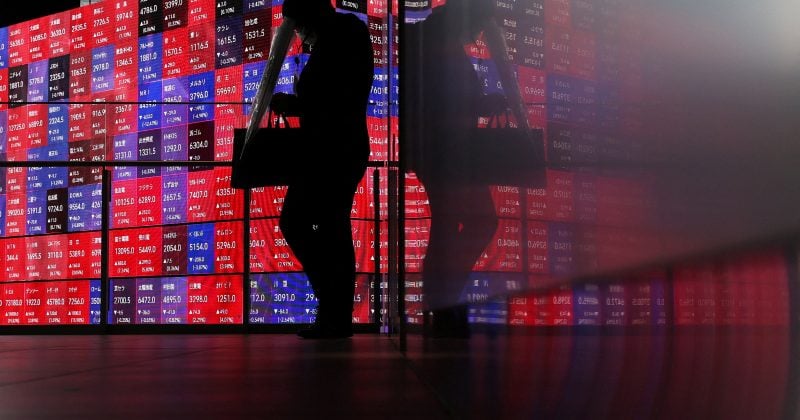
Asia markets volatile as Trump threatens Hormuz cargo levy
A proposed 20% toll on strait traffic sent Brent crude above $80 and rattled equity markets across the region
The Strait of Hormuz is roughly 21 miles wide at its narrowest point. About a fifth of the world’s oil passes through it.
On July 13, 2026, Trump reinstated a U.S. naval blockade on Iranian ships transiting the strait, framing a 20% levy on all cargo using the waterway as a fee for American protection and naval presence in the region. Asian markets responded immediately, with equities swinging in both directions as traders tried to price in what could become a sustained shift in global energy logistics.
What Trump actually announced
The core of the announcement is straightforward: any vessel using the Strait of Hormuz now faces a 20% cargo levy, with the U.S. positioning its naval presence as the service being paid for.
Trump characterized the measure as necessary, tying it to the cost of maintaining American military presence in the region. Iran’s response was measured but pointed. Tehran acknowledged that compensation for safe-passage providers could be justified in principle, but called the proposed 20% rate excessive.
Brent crude surged past $80 per barrel following the announcement.
Why Asian markets took the hit
Asia is the destination for most of what moves through the Hormuz strait. Japan, South Korea, China, and India are among the largest importers of Persian Gulf crude, which means a sustained levy or a genuine disruption to traffic would land hardest on the region’s energy import bills.
Macro, rates, and crypto—what moved markets and what matters next.
Daily. Free. Join 34,000+ readers across crypto, finance, and policy.
Gold, which typically benefits from geopolitical uncertainty, actually declined in the immediate aftermath of the announcement.
The timing also matters. July 13 was a Sunday announcement, meaning Asian markets opened Monday as the first major venues to price in the news. That sequence put the region’s traders in the uncomfortable position of establishing prices before European or U.S. markets opened to provide additional liquidity and direction.
What investors need to watch now
For investors with exposure to Asian manufacturers or logistics companies, sustained oil prices above $80 per barrel compress the operating environment for energy-intensive industries across the region.
The crypto market has so far been notably quiet in response to the announcement. Bitcoin and other digital assets have not featured in market commentary around the blockade.
The Hormuz levy is less than 48 hours old as of this writing. Iran’s willingness to engage on the rate rather than reject the concept outright keeps the diplomatic door open. Traders watching the Asian session open each morning this week will be tracking two things: whether crude holds above $80, and whether any communication between Washington and Tehran suggests movement toward or away from a negotiated arrangement.