
Trump signs agreement with Iran, faces GOP criticism over terms
The 14-point memorandum of understanding reopens the Strait of Hormuz and lifts the US naval blockade, but Republican lawmakers are calling it appeasement.
Donald Trump signed a preliminary agreement with Iranian President Masoud Pezeshkian on June 18, ending an active confrontation between the two countries. The 14-point memorandum of understanding commits the US to lifting its naval blockade on Iranian ports and reopening the Strait of Hormuz for Iranian oil exports, setting the stage for a 60-day negotiation window on nuclear issues and a comprehensive deal.
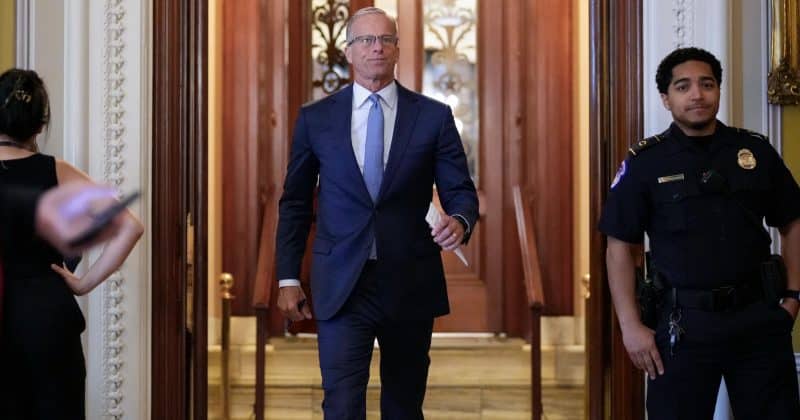
The reaction from Trump’s own party has been swift and unflattering. Several GOP senators have labeled the agreement a form of appeasement, arguing it surrenders military gains achieved during recent operations against Iran.
What the deal actually includes
The MOU is structured around 14 points, with the headline provisions being the end of the US naval blockade and the reopening of the Strait of Hormuz to Iranian oil shipments. Roughly a fifth of the world’s petroleum passes through the Strait of Hormuz on any given day, making it arguably the most strategically significant chokepoint in global energy markets.
Pakistan played a partial mediating role in the negotiations, which were finalized during G7-related activities and incorporated both in-person and virtual elements for the signing. The agreement kicks off a 60-day negotiation period focused on Iran’s nuclear program and broader reconstruction issues.
In structural terms, the deal revives elements of the 2015 Joint Comprehensive Plan of Action, the Obama-era nuclear agreement that Trump himself withdrew from in 2018. That withdrawal was one of the signature foreign policy moves of his first term, making this reversal all the more politically charged within his own coalition.
Trump has been framing the MOU as a geopolitical masterstroke, pointing to falling oil prices and record stock market highs as evidence the deal is already working. Markets did react immediately: oil prices slid on expectations of increased Iranian supply flowing through the Strait of Hormuz.
The news moving money, markets, and the world—before your day starts.
Daily. Free. Join 34,000+ readers across crypto, finance, and policy.
The GOP backlash
The core complaint centers on military leverage. The US had established a dominant position through recent naval and military operations, and critics argue the MOU effectively trades that hard-won advantage for promises that Tehran may or may not keep. The word “appeasement” carries a specific historical gravity in foreign policy circles, and GOP lawmakers are deploying it deliberately.
The Guardian drew a pointed comparison to Jimmy Carter, noting that Trump, who once cast Carter as the embodiment of American weakness over the Iran hostage crisis, now finds himself in a position where his own political legacy could hinge on decisions made in Tehran.
What this means for markets and crypto
The immediate market impact is straightforward: more Iranian oil flowing through the Strait of Hormuz means more global supply, which pushes prices down.
For crypto markets specifically, the implications are more nuanced. Falling oil prices and rising stock markets generally signal a “risk-on” environment, the kind of macro backdrop that has historically correlated with inflows into Bitcoin and other digital assets.
The energy angle matters for crypto in another way. Lower oil prices generally translate to lower electricity costs, which directly benefits Bitcoin miners by reducing their largest operational expense. If Iranian oil supply returns to pre-sanction levels, the resulting drop in global energy costs could provide meaningful margin relief to mining operations worldwide, particularly those in regions where electricity pricing is tied to fossil fuel benchmarks.
The wildcard is what happens in Congress. If GOP opposition to the deal crystallizes into legislative action, such as blocking sanctions relief or imposing new conditions, markets could face a scenario where the agreement exists on paper but can’t be implemented in practice.