
 Earn with Nexo
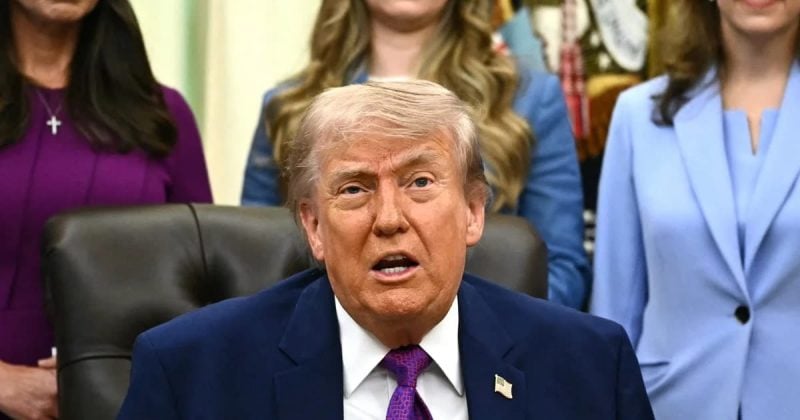
Donald Trump declares Iran ceasefire ‘on life support’ as crude oil tops $105
The president's blunt assessment of the deteriorating Iran-Israel truce sent energy markets into a tailspin, with oil hitting levels not seen since the early days of the conflict.
President Trump just told the world what oil traders had been pricing in for weeks: the Iran-Israel ceasefire is barely breathing. His characterization of the truce as being “on life support” sent crude oil surging past $105 per barrel, a sharp reminder that Middle Eastern geopolitics still hold an outsized grip on global energy markets.
The timing matters. The ceasefire, brokered through US and Qatari mediation back on June 24, 2025, was supposed to mark the end of the Twelve-Day War between Iran and Israel. For months, it mostly held, surviving early violations and tense moments. Now, nearly a year later, Trump’s own words suggest that diplomatic scaffolding is crumbling.
From fragile peace to life support
The June 2025 agreement had managed to beat expectations, largely because of sustained US diplomatic pressure on Israeli leaders and Qatar’s role as an intermediary. Initial violations occurred almost immediately after the agreement took effect, yet the truce persisted through the remainder of 2025 and into 2026.
Trump’s ongoing intervention with Israeli leadership was widely credited as one of the key factors sustaining the ceasefire over the past year. If Trump himself is now signaling that those efforts are failing, the market reads it as an honest assessment from the person with the most leverage over the situation.
Why oil moved so fast
Crude oil crossing $105 per barrel is not just a round number. It represents a market rapidly repricing the probability of supply disruptions in one of the world’s most critical energy corridors.
A ceasefire collapse between Iran and Israel would threaten shipping routes through the Strait of Hormuz, which handles roughly a fifth of the world’s daily oil consumption. The surge past $105 happened quickly because the market had already been building a geopolitical risk premium into crude prices over recent weeks. Trump’s statement didn’t create the concern. It confirmed it.
Crude had been trading in a relatively contained range during the months when the ceasefire appeared stable. The jump above $105 represents a clear break from that pattern and signals that traders are now actively hedging against a worst-case scenario.
What this means for investors
A sustained oil price spike above $105 changes the inflation calculus for the Federal Reserve and every other major central bank. Higher energy costs feed directly into consumer prices, which could delay or reverse rate-cutting trajectories that risk assets have been banking on.
During the original Twelve-Day War in June 2025, Bitcoin saw significant volatility as investors rotated between risk-on and risk-off positioning. A ceasefire collapse would likely trigger a similar dynamic, with an initial flight to safety followed by a reassessment of Bitcoin’s role as a geopolitical hedge.
Oil price spikes tend to strengthen the dollar in the short term as global demand for dollar-denominated energy purchases increases. A stronger dollar has historically been a headwind for Bitcoin and other digital assets.
The key variable going forward is whether Trump’s statement is a negotiating tactic, designed to pressure one or both sides back to the table, or a genuine assessment that the ceasefire is beyond saving.