
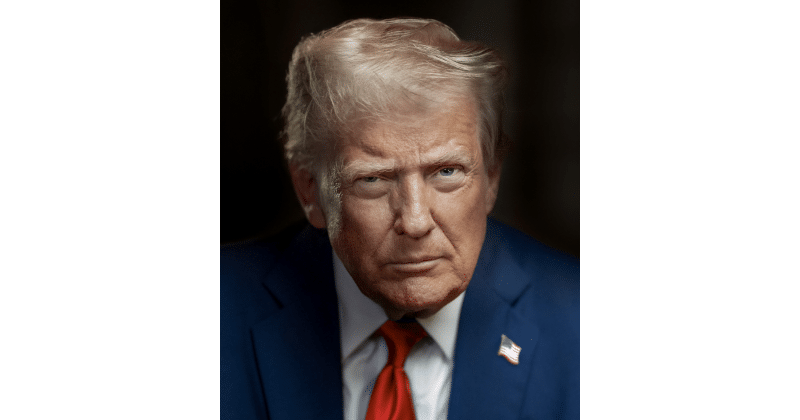
Trump claims deal to end war with Iran signed, details coming soon
Bitcoin surged past $66K and oil dropped below $80 as markets reacted to the announcement of a US-Iran ceasefire agreement, though Iranian officials say the framework isn't finalized yet.
President Donald Trump announced that a deal to end the ongoing US-Iran conflict has been signed, with a formal signing ceremony expected on June 19 in Geneva, Switzerland. Markets didn’t wait for the fine print.
Bitcoin climbed above $66,000 on the news, while oil prices fell below $80 per barrel as traders priced in a world where the Strait of Hormuz reopens and naval blockades become a memory.
Iran says not so fast. Iranian officials have cautioned that reports of a finalized agreement are premature, even as mediators including Pakistan confirmed that substantial progress has been made.
What the deal reportedly includes
The agreement, as described following Trump’s June 14-15 announcement, covers several critical areas. Military operations between the US and Iran would face an immediate and permanent cessation. Trump has authorized lifting the US naval blockade imposed on Iranian ports.
Perhaps the most consequential piece for global markets: the Strait of Hormuz would reopen for international shipping without tolls. Roughly one-fifth of the world’s oil supply passes through that narrow waterway.
Sanctions relief for Iran is also on the table, though it appears to be contingent on compliance with the agreement’s terms.
Iran’s nuclear program and broader regional hostilities involving Israel and Lebanon have been deferred for future dialogue. Pakistan has been confirmed as a key mediator in the negotiations, with possible involvement from Qatar also noted. The choice of Geneva for the formal ceremony keeps things on traditionally neutral ground.
Macro, rates, and crypto—what moved markets and what matters next.
Daily. Free. Join 34,000+ readers across crypto, finance, and policy.
How markets responded
Oil’s drop below $80 per barrel reflects the expectation that Iranian crude will eventually return to global markets in fuller force, and that shipping through the Strait of Hormuz will no longer carry the implicit risk premium of operating in an active conflict zone.
Bitcoin’s move above $66,000 fits a familiar pattern: when geopolitical tensions ease, capital flows toward risk assets. During periods of military escalation, institutional money tends to hunker down in traditional safe havens like gold and Treasury bonds. When that pressure lifts, the same capital goes looking for yield and upside, and crypto sits near the top of that risk spectrum.
The months of escalating tension over Iran’s nuclear program and regional security issues, which had been building since early 2026, had created a persistent drag on investor sentiment.
What this means for crypto investors
If the June 19 ceremony in Geneva goes smoothly and both sides sign on the dotted line, the current price action could be the floor, not the ceiling. If negotiations stall, or if the deferred issues around Iran’s nuclear program resurface quickly, the optimism baked into current prices could unwind just as fast as it appeared.
If Iranian oil returns to global markets in significant volume, sustained lower energy prices could act as a tailwind for risk assets broadly, including crypto. Cheaper energy means lower input costs for Bitcoin miners, potentially improving network economics.
The deferral of Iran’s nuclear program and regional hostilities involving Israel and Lebanon is the elephant in the room. Investors who remember how quickly the JCPOA (the 2015 Iran nuclear deal) unraveled will recognize the pattern: a diplomatic breakthrough that generates immediate market euphoria, followed by a long grind of compliance disputes and political headwinds.
For traders, the binary outcome of the June 19 ceremony creates a natural catalyst. Positioning ahead of that date means accepting event risk in either direction.