
Nexo Earn with Nexo
Trump says US and Iran are close to a deal amid missile tensions, and Bitcoin is caught in the crossfire

Trump says US and Iran are close to a deal amid missile tensions, and Bitcoin is caught in the crossfire

Bitcoin whipsawed between a 7% drop and a 5% surge as Iran launched missiles at Israel and Trump signaled a potential breakthrough in nuclear talks.

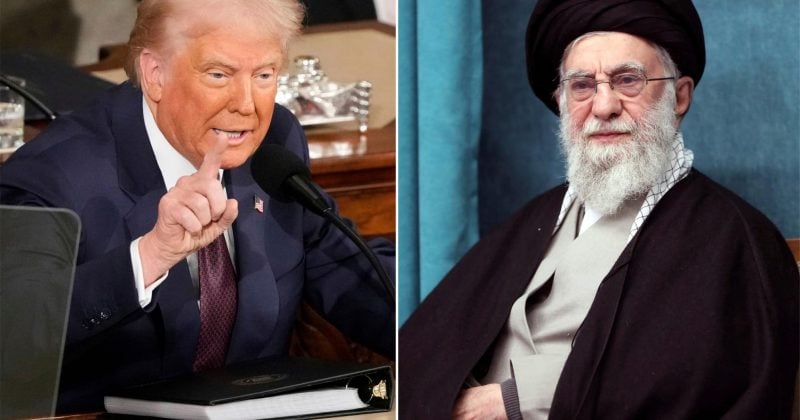
President Donald Trump announced on June 7 that the United States and Iran are “very close” to reaching a deal. The timing could not be more dramatic: Iran had just fired ballistic missiles at Israel, shattering an April ceasefire and sending risk assets into a tailspin.

Bitcoin dropped roughly 7% during the initial wave of panic, with approximately $350 million in positions liquidated in a single day. Then, as news of the potential US-Iran agreement spread, it bounced back with gains of up to 5%, briefly touching around $64,000 during the session.

What happened between the US, Iran, and Israel

Iran’s ballistic missile strikes on June 7 marked the first direct military exchange between Iran and Israel since a ceasefire was brokered in April 2026. That earlier truce, negotiated by the US alongside regional players including Hezbollah, was supposed to cap a prolonged period of escalation.

Advertisement

Trump responded by demanding that both nations cease hostilities immediately. He framed the moment as an opportunity, stating the US-Iran negotiations were nearing completion on terms that could include stricter nuclear regulations and an end to hostilities.

The potential deal reportedly touches on more than just missiles and enrichment centrifuges. Negotiations have expanded to include economic components like asset unfreezing, which adds layers of complexity to an already intricate diplomatic picture.

Bitcoin’s split personality during the crisis

During the initial hours of Iran’s missile strikes, Bitcoin behaved like a classic risk asset. It sold off hard. That 7% decline and $350 million in liquidations looked a lot like traders hitting the eject button alongside equities and other risk-on positions.

But then the narrative flipped. As Trump’s comments about a near-deal surfaced, Bitcoin recovered with a 5% surge that pushed it toward $64,000. From trough to peak in this episode, Bitcoin covered roughly 12 percentage points within what appears to have been a single trading session.

The crypto sanctions angle investors shouldn’t ignore

US authorities have reportedly frozen or seized Iranian-linked cryptocurrency assets estimated between hundreds of millions and over $1 billion in 2026 as part of sanctions enforcement.

Reports have cited Iranian-held digital assets in the range of $7.7 billion, illustrating the scale of Tehran’s alleged use of crypto to circumvent economic penalties.

Trump himself referenced a potential national reserve strategy involving Bitcoin and other digital assets earlier in 2026. The same administration simultaneously seizing Iranian crypto and exploring its own Bitcoin reserve creates a policy landscape that’s simultaneously bullish and restrictive, depending on which side of the enforcement line you sit.

Disclosure: This article was edited by Editorial Team. For more information on how we create and review content, see our Editorial Policy.

Trump says US and Iran are close to a deal amid missile tensions, and Bitcoin is caught in the crossfire

Trump says US and Iran are close to a deal amid missile tensions, and Bitcoin is caught in the crossfire

Bitcoin whipsawed between a 7% drop and a 5% surge as Iran launched missiles at Israel and Trump signaled a potential breakthrough in nuclear talks.

President Donald Trump announced on June 7 that the United States and Iran are “very close” to reaching a deal. The timing could not be more dramatic: Iran had just fired ballistic missiles at Israel, shattering an April ceasefire and sending risk assets into a tailspin.

Bitcoin dropped roughly 7% during the initial wave of panic, with approximately $350 million in positions liquidated in a single day. Then, as news of the potential US-Iran agreement spread, it bounced back with gains of up to 5%, briefly touching around $64,000 during the session.

What happened between the US, Iran, and Israel

Iran’s ballistic missile strikes on June 7 marked the first direct military exchange between Iran and Israel since a ceasefire was brokered in April 2026. That earlier truce, negotiated by the US alongside regional players including Hezbollah, was supposed to cap a prolonged period of escalation.

Advertisement

Trump responded by demanding that both nations cease hostilities immediately. He framed the moment as an opportunity, stating the US-Iran negotiations were nearing completion on terms that could include stricter nuclear regulations and an end to hostilities.

The potential deal reportedly touches on more than just missiles and enrichment centrifuges. Negotiations have expanded to include economic components like asset unfreezing, which adds layers of complexity to an already intricate diplomatic picture.

Bitcoin’s split personality during the crisis

During the initial hours of Iran’s missile strikes, Bitcoin behaved like a classic risk asset. It sold off hard. That 7% decline and $350 million in liquidations looked a lot like traders hitting the eject button alongside equities and other risk-on positions.

But then the narrative flipped. As Trump’s comments about a near-deal surfaced, Bitcoin recovered with a 5% surge that pushed it toward $64,000. From trough to peak in this episode, Bitcoin covered roughly 12 percentage points within what appears to have been a single trading session.

The crypto sanctions angle investors shouldn’t ignore

US authorities have reportedly frozen or seized Iranian-linked cryptocurrency assets estimated between hundreds of millions and over $1 billion in 2026 as part of sanctions enforcement.

Reports have cited Iranian-held digital assets in the range of $7.7 billion, illustrating the scale of Tehran’s alleged use of crypto to circumvent economic penalties.

Trump himself referenced a potential national reserve strategy involving Bitcoin and other digital assets earlier in 2026. The same administration simultaneously seizing Iranian crypto and exploring its own Bitcoin reserve creates a policy landscape that’s simultaneously bullish and restrictive, depending on which side of the enforcement line you sit.

Disclosure: This article was edited by Editorial Team. For more information on how we create and review content, see our Editorial Policy.