
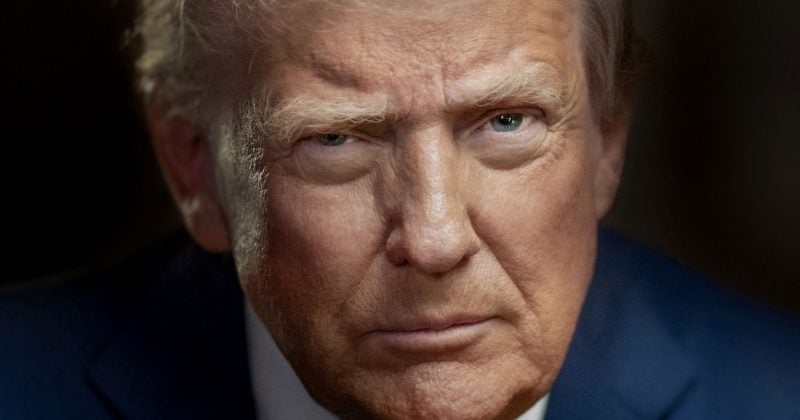
Trump and Iran sign deal to end Middle East war, Bitcoin rallies past $65K as risk premiums fade

Trump and Iran sign deal to end Middle East war, Bitcoin rallies past $65K as risk premiums fade

The memorandum of understanding includes sanctions relief, a $300 billion reconstruction plan, and commitments on uranium dilution, sending ripple effects through crypto and commodity markets.

US President Donald Trump and Iran’s president signed a memorandum of understanding on June 17 at the Palace of Versailles, a deal designed to end the long-running US-Iran conflict. The agreement, inked during dinner with French President Emmanuel Macron following the G7 summit in Evian-les-Bains, France, sent an immediate jolt through global markets, with Bitcoin climbing above $65,000 as investors recalculated risk across the board.

What’s actually in the deal

The core terms of the MoU read like a grand bargain. Iran commits to reopening the Strait of Hormuz and diluting its enriched uranium stockpile. In return, the US lifts sanctions and lays the groundwork for a $300 billion reconstruction plan aimed at rebuilding Iran’s economy.

There’s a 60-day deadline baked in for reaching a final agreement. That clock is already ticking.

Advertisement

G7 leaders, including Macron, voiced support for the framework, framing it as a genuine step toward regional stability. But Trump himself attached a very Trumpian caveat: failure to comply could mean a re-escalation of military action.

Notably absent from the public details is any concrete framework for addressing Iran’s ballistic missile program. That’s the kind of gap that could complicate the path to a final deal within those 60 days.

Why crypto moved on a geopolitics headline

The Strait of Hormuz handles about a fifth of the world’s oil and gas shipments. Any threat to that chokepoint ripples through energy prices, inflation expectations, and central bank policy. Remove or reduce that threat, and the entire risk curve shifts.

Oil prices showed signs of stabilizing in the immediate aftermath of the announcement. Bitcoin and other major tokens saw inflows as traders repriced the probability of a sustained conflict disrupting energy markets and the broader global economy.

What investors should actually be watching

The 60-day window is the number to circle on the calendar. Memorandums of understanding are not treaties. They’re statements of intent, diplomatic handshakes that carry political weight but limited legal force.

The $300 billion reconstruction plan is staggering in scale. If even a fraction of that capital flows into Iranian infrastructure and energy development, the downstream effects on commodity markets could be significant.

But the risks are real. Iran’s ballistic missile program isn’t addressed in the current framework. Compliance verification for uranium dilution is notoriously difficult. And Trump’s own warning about re-escalation means the geopolitical risk hasn’t been eliminated, just temporarily discounted.

Disclosure: This article was edited by Editorial Team. For more information on how we create and review content, see our Editorial Policy.

Trump and Iran sign deal to end Middle East war, Bitcoin rallies past $65K as risk premiums fade

Trump and Iran sign deal to end Middle East war, Bitcoin rallies past $65K as risk premiums fade

The memorandum of understanding includes sanctions relief, a $300 billion reconstruction plan, and commitments on uranium dilution, sending ripple effects through crypto and commodity markets.

US President Donald Trump and Iran’s president signed a memorandum of understanding on June 17 at the Palace of Versailles, a deal designed to end the long-running US-Iran conflict. The agreement, inked during dinner with French President Emmanuel Macron following the G7 summit in Evian-les-Bains, France, sent an immediate jolt through global markets, with Bitcoin climbing above $65,000 as investors recalculated risk across the board.

What’s actually in the deal

The core terms of the MoU read like a grand bargain. Iran commits to reopening the Strait of Hormuz and diluting its enriched uranium stockpile. In return, the US lifts sanctions and lays the groundwork for a $300 billion reconstruction plan aimed at rebuilding Iran’s economy.

There’s a 60-day deadline baked in for reaching a final agreement. That clock is already ticking.

Advertisement

G7 leaders, including Macron, voiced support for the framework, framing it as a genuine step toward regional stability. But Trump himself attached a very Trumpian caveat: failure to comply could mean a re-escalation of military action.

Notably absent from the public details is any concrete framework for addressing Iran’s ballistic missile program. That’s the kind of gap that could complicate the path to a final deal within those 60 days.

Why crypto moved on a geopolitics headline

The Strait of Hormuz handles about a fifth of the world’s oil and gas shipments. Any threat to that chokepoint ripples through energy prices, inflation expectations, and central bank policy. Remove or reduce that threat, and the entire risk curve shifts.

Oil prices showed signs of stabilizing in the immediate aftermath of the announcement. Bitcoin and other major tokens saw inflows as traders repriced the probability of a sustained conflict disrupting energy markets and the broader global economy.

What investors should actually be watching

The 60-day window is the number to circle on the calendar. Memorandums of understanding are not treaties. They’re statements of intent, diplomatic handshakes that carry political weight but limited legal force.

The $300 billion reconstruction plan is staggering in scale. If even a fraction of that capital flows into Iranian infrastructure and energy development, the downstream effects on commodity markets could be significant.

But the risks are real. Iran’s ballistic missile program isn’t addressed in the current framework. Compliance verification for uranium dilution is notoriously difficult. And Trump’s own warning about re-escalation means the geopolitical risk hasn’t been eliminated, just temporarily discounted.

Disclosure: This article was edited by Editorial Team. For more information on how we create and review content, see our Editorial Policy.