
Nexo Earn with Nexo
Trump says Iran deal is close as crypto markets watch geopolitical risk signals

Trump says Iran deal is close as crypto markets watch geopolitical risk signals

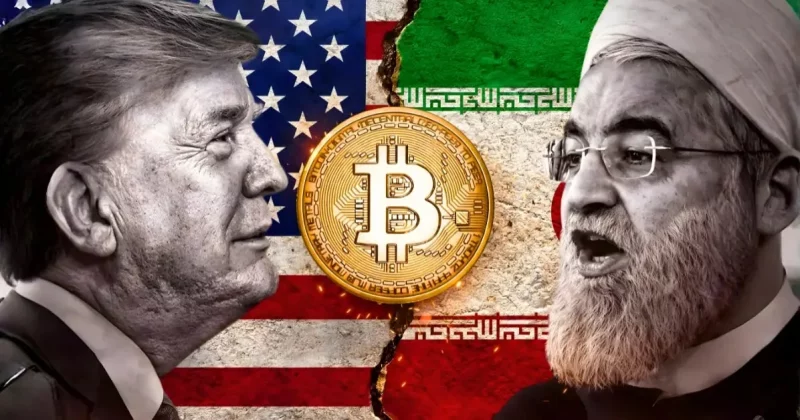
Bitcoin and other major tokens have tracked US-Iran negotiation headlines, with price swings reflecting the market's sensitivity to geopolitical developments.

President Donald Trump indicated that negotiators are nearing a deal with Iran, with talks reportedly entering their final stages in late May 2026. The negotiations, mediated primarily through Pakistan, aim to de-escalate tensions between Washington and Tehran over nuclear ambitions, sanctions relief, and control of critical shipping lanes through the Strait of Hormuz.

For crypto markets, this matters more than it might seem. Bitcoin has traded in a range between $68,500 and $79,000 in recent weeks, and its price movements have tracked geopolitical headlines with unusual fidelity.

What the negotiations look like right now

The gaps between the US and Iranian positions have been narrowing, particularly during the May 20-23 window. US Special Envoy Steve Witkoff and Jared Kushner are leading the American side of the talks. Trump has signaled patience, saying he’s willing to wait a few more days for the right agreement to materialize.

Advertisement

The sticking points are predictable but serious: uranium enrichment and who controls what in and around the Strait of Hormuz. Iran wants to keep enriching uranium and maintain leverage over one of the world’s most important oil shipping corridors, and the US wants neither of those things to happen.

Trump has been unambiguous on one point. He opposes Iran acquiring nuclear weapons, framing that as a non-negotiable red line in the discussions.

The Pakistan-mediated format represents a shift from previous diplomatic channels. Earlier rounds of nuclear diplomacy, including the 2015 JCPOA, were multilateral affairs involving European powers, Russia, and China. This time, the architecture is leaner and more bilateral in practice, with Islamabad serving as the intermediary rather than a broad coalition of world powers.

Why crypto traders are paying attention to Tehran

Bitcoin, Ethereum, and Solana have all reacted to ceasefire announcements and shipping disruptions connected to the Iran situation. When negotiation updates have signaled progress, crypto markets have generally moved higher alongside equities. When talks stalled or new threats emerged around shipping lanes, the opposite happened. Bitcoin’s $68,500 to $79,000 range over recent weeks tells the story of a market that’s been whipsawed by headline risk rather than any internal crypto catalyst.

What this means for investors

A successful deal would likely remove one of the more persistent sources of macro anxiety hanging over risk assets. Reduced tension in the Strait of Hormuz means calmer oil markets, which means lower inflation pressure, which means a friendlier environment for assets like Bitcoin and Ethereum.

The remaining issues — uranium enrichment and Strait control — are precisely the kinds of problems that blow up deals at the last minute.

Ethereum and Solana deserve separate attention here. Both have shown even higher sensitivity to these geopolitical swings than Bitcoin, likely because they carry more speculative premium and less “digital gold” narrative cushion.

Disclosure: This article was edited by Editorial Team. For more information on how we create and review content, see our Editorial Policy.

Trump says Iran deal is close as crypto markets watch geopolitical risk signals

Trump says Iran deal is close as crypto markets watch geopolitical risk signals

Bitcoin and other major tokens have tracked US-Iran negotiation headlines, with price swings reflecting the market's sensitivity to geopolitical developments.

President Donald Trump indicated that negotiators are nearing a deal with Iran, with talks reportedly entering their final stages in late May 2026. The negotiations, mediated primarily through Pakistan, aim to de-escalate tensions between Washington and Tehran over nuclear ambitions, sanctions relief, and control of critical shipping lanes through the Strait of Hormuz.

For crypto markets, this matters more than it might seem. Bitcoin has traded in a range between $68,500 and $79,000 in recent weeks, and its price movements have tracked geopolitical headlines with unusual fidelity.

What the negotiations look like right now

The gaps between the US and Iranian positions have been narrowing, particularly during the May 20-23 window. US Special Envoy Steve Witkoff and Jared Kushner are leading the American side of the talks. Trump has signaled patience, saying he’s willing to wait a few more days for the right agreement to materialize.

Advertisement

The sticking points are predictable but serious: uranium enrichment and who controls what in and around the Strait of Hormuz. Iran wants to keep enriching uranium and maintain leverage over one of the world’s most important oil shipping corridors, and the US wants neither of those things to happen.

Trump has been unambiguous on one point. He opposes Iran acquiring nuclear weapons, framing that as a non-negotiable red line in the discussions.

The Pakistan-mediated format represents a shift from previous diplomatic channels. Earlier rounds of nuclear diplomacy, including the 2015 JCPOA, were multilateral affairs involving European powers, Russia, and China. This time, the architecture is leaner and more bilateral in practice, with Islamabad serving as the intermediary rather than a broad coalition of world powers.

Why crypto traders are paying attention to Tehran

Bitcoin, Ethereum, and Solana have all reacted to ceasefire announcements and shipping disruptions connected to the Iran situation. When negotiation updates have signaled progress, crypto markets have generally moved higher alongside equities. When talks stalled or new threats emerged around shipping lanes, the opposite happened. Bitcoin’s $68,500 to $79,000 range over recent weeks tells the story of a market that’s been whipsawed by headline risk rather than any internal crypto catalyst.

What this means for investors

A successful deal would likely remove one of the more persistent sources of macro anxiety hanging over risk assets. Reduced tension in the Strait of Hormuz means calmer oil markets, which means lower inflation pressure, which means a friendlier environment for assets like Bitcoin and Ethereum.

The remaining issues — uranium enrichment and Strait control — are precisely the kinds of problems that blow up deals at the last minute.

Ethereum and Solana deserve separate attention here. Both have shown even higher sensitivity to these geopolitical swings than Bitcoin, likely because they carry more speculative premium and less “digital gold” narrative cushion.

Disclosure: This article was edited by Editorial Team. For more information on how we create and review content, see our Editorial Policy.