
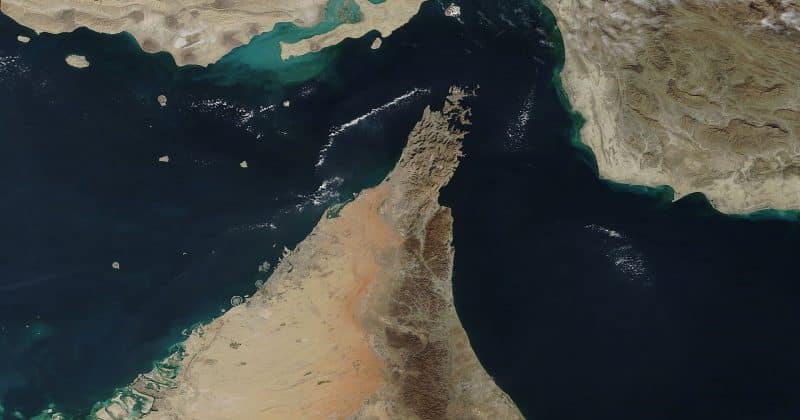
Trump announces Iran deal to open Hormuz Strait to all traffic
The proposed agreement would reopen the world's most critical oil chokepoint, and Bitcoin is already pricing in the optimism.
President Trump announced that a deal with Iran is set to be signed tomorrow, with the Strait of Hormuz opening to all maritime traffic once the agreement is finalized.
Roughly one-fifth of global oil and liquefied natural gas trade passes through the Strait of Hormuz.
What the deal looks like
The framework that Trump has described centers on a 60-day ceasefire, paired with Iranian commitments to clear mines and restore free passage through the strait. Negotiations have also touched on Iran’s nuclear program, though the specifics on that front remain murky.
Trump first signaled on May 23 that the agreement was “largely negotiated.” That initial announcement triggered a Bitcoin rally as traders interpreted the news as a meaningful de-escalation signal. The proposed deal has been mediated in part by Pakistan and Qatar, reflecting the breadth of international diplomatic engagement required to get both sides to the table.
As recently as mid-June, Tehran reiterated its position on the blockade, leaving analysts uncertain about whether the deal would actually hold. The conflict traces back to US and Israeli military strikes on Iran that began in February 2026, which dramatically escalated regional tensions and ultimately led to the strait’s disruption.
Macro, rates, and crypto—what moved markets and what matters next.
Daily. Free. Join 34,000+ readers across crypto, finance, and policy.
Reports have also surfaced that Iran demanded crypto or yuan-denominated transit fees for vessels during the conflict period.
Bitcoin’s geopolitical trading pattern
The May 23 announcement is the clearest example of Bitcoin’s pattern during this crisis. Bitcoin surged on hopes that the strait would reopen, only to give back gains when subsequent reports indicated the conflict was far from resolved. This whipsaw dynamic has been well-documented by crypto outlets tracking the intersection of geopolitics and digital asset prices.
Why this matters for crypto investors
The 60-day ceasefire framework is, by definition, temporary. Iran’s ambiguous posture on the deal’s terms suggests that even a signed agreement could unravel quickly. The mine-clearing commitment alone introduces a timeline measured in weeks or months, during which any number of provocations could derail progress.