
Nexo Earn with Nexo
Trump says Iran deal can survive despite ongoing Lebanon conflict, with crypto markets watching closely

Trump says Iran deal can survive despite ongoing Lebanon conflict, with crypto markets watching closely

The US-Iran memorandum of understanding aims to reopen the Strait of Hormuz by June 19, with major implications for oil prices, inflation, and digital asset markets.

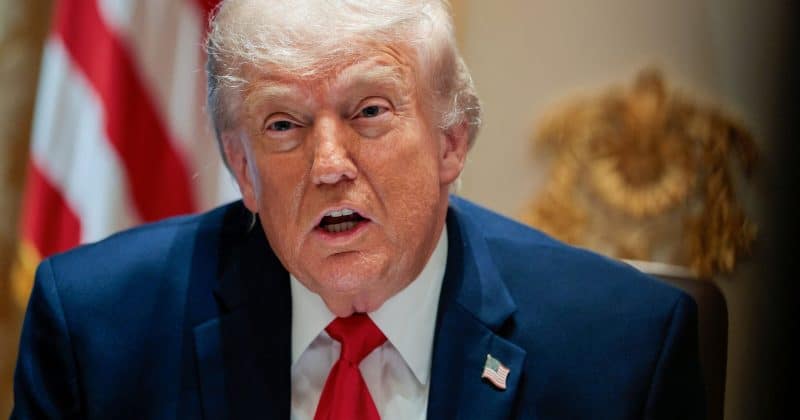
President Trump declared on Tuesday that the preliminary deal between the US and Iran will hold, even as Israeli military operations in Lebanon continue. Speaking from the G7 summit in Évian-les-Bains, France, Trump was blunt when asked whether the agreement could survive escalating conflict in the region.

“It can,” Trump said.

The memorandum of understanding between Washington and Tehran is designed to end hostilities, lift the US naval blockade on Iranian ports, and reopen the Strait of Hormuz to toll-free traffic by June 19. For crypto markets, which took a beating during the worst of the tensions earlier this year, the deal represents a potential inflection point for risk sentiment globally.

What the deal actually covers

The MoU goes beyond a simple ceasefire. It includes provisions for cessation of hostilities with specific references to Lebanon, the lifting of the US blockade, and a framework for sanctions relief discussions. The core objective, according to Trump, is preventing Iran from acquiring nuclear weapons, with an additional 60-day window carved out for further nuclear negotiations.

Advertisement

Digital signatures have already been affixed by Trump, Vice President JD Vance, and Iranian parliament speaker Mohammad Bagher Ghalibaf. A formal signing ceremony is scheduled to take place in Geneva.

Pakistan played a key mediating role in bringing both sides to the table.

Trump’s comments about Israel were notably sharp. He criticized Israeli Prime Minister Netanyahu, asserting that the Iran deal functions independently of Israeli activities in Lebanon.

The Strait of Hormuz is the chokepoint through which approximately 20% of global oil shipments pass. The agreement’s promise to make the strait “permanently toll-free” by June 19 is designed to reverse damage from months of disrupted oil flow that sent energy prices sharply higher.

Why crypto markets care about an oil shipping lane

When tensions escalated in May 2026, oil prices surged over 2%. Bitcoin dropped below $73,000, and the broader crypto market saw roughly $1 billion in liquidations.

Iran’s cryptocurrency economy is estimated at approximately $7.8 billion. Tehran has increasingly demanded payments for transit fees in Bitcoin and stablecoins, part of a broader strategy to use digital assets to circumvent traditional financial sanctions.

What this means for investors

Bitcoin’s drop below $73,000 in May demonstrated how sensitive crypto remains to macro fear events. The deal explicitly carves out 60 days for nuclear discussions, meaning the next two months will be filled with headlines that could swing sentiment in either direction. Trump’s pointed criticism of Netanyahu suggests the Lebanon situation is far from resolved, even if Washington is trying to firewall the Iran agreement from it.

This is a preliminary memorandum, not a final treaty. Digital signatures are in place, but the formal Geneva ceremony hasn’t happened yet, nuclear talks stretch into August, and Israel appears to be operating on its own timeline in Lebanon. The $1 billion liquidation event from May is a reminder of how fast things can unravel when a geopolitical bet goes wrong.

Disclosure: This article was edited by Editorial Team. For more information on how we create and review content, see our Editorial Policy.

Trump says Iran deal can survive despite ongoing Lebanon conflict, with crypto markets watching closely

Trump says Iran deal can survive despite ongoing Lebanon conflict, with crypto markets watching closely

The US-Iran memorandum of understanding aims to reopen the Strait of Hormuz by June 19, with major implications for oil prices, inflation, and digital asset markets.

President Trump declared on Tuesday that the preliminary deal between the US and Iran will hold, even as Israeli military operations in Lebanon continue. Speaking from the G7 summit in Évian-les-Bains, France, Trump was blunt when asked whether the agreement could survive escalating conflict in the region.

“It can,” Trump said.

The memorandum of understanding between Washington and Tehran is designed to end hostilities, lift the US naval blockade on Iranian ports, and reopen the Strait of Hormuz to toll-free traffic by June 19. For crypto markets, which took a beating during the worst of the tensions earlier this year, the deal represents a potential inflection point for risk sentiment globally.

What the deal actually covers

The MoU goes beyond a simple ceasefire. It includes provisions for cessation of hostilities with specific references to Lebanon, the lifting of the US blockade, and a framework for sanctions relief discussions. The core objective, according to Trump, is preventing Iran from acquiring nuclear weapons, with an additional 60-day window carved out for further nuclear negotiations.

Advertisement

Digital signatures have already been affixed by Trump, Vice President JD Vance, and Iranian parliament speaker Mohammad Bagher Ghalibaf. A formal signing ceremony is scheduled to take place in Geneva.

Pakistan played a key mediating role in bringing both sides to the table.

Trump’s comments about Israel were notably sharp. He criticized Israeli Prime Minister Netanyahu, asserting that the Iran deal functions independently of Israeli activities in Lebanon.

The Strait of Hormuz is the chokepoint through which approximately 20% of global oil shipments pass. The agreement’s promise to make the strait “permanently toll-free” by June 19 is designed to reverse damage from months of disrupted oil flow that sent energy prices sharply higher.

Why crypto markets care about an oil shipping lane

When tensions escalated in May 2026, oil prices surged over 2%. Bitcoin dropped below $73,000, and the broader crypto market saw roughly $1 billion in liquidations.

Iran’s cryptocurrency economy is estimated at approximately $7.8 billion. Tehran has increasingly demanded payments for transit fees in Bitcoin and stablecoins, part of a broader strategy to use digital assets to circumvent traditional financial sanctions.

What this means for investors

Bitcoin’s drop below $73,000 in May demonstrated how sensitive crypto remains to macro fear events. The deal explicitly carves out 60 days for nuclear discussions, meaning the next two months will be filled with headlines that could swing sentiment in either direction. Trump’s pointed criticism of Netanyahu suggests the Lebanon situation is far from resolved, even if Washington is trying to firewall the Iran agreement from it.

This is a preliminary memorandum, not a final treaty. Digital signatures are in place, but the formal Geneva ceremony hasn’t happened yet, nuclear talks stretch into August, and Israel appears to be operating on its own timeline in Lebanon. The $1 billion liquidation event from May is a reminder of how fast things can unravel when a geopolitical bet goes wrong.

Disclosure: This article was edited by Editorial Team. For more information on how we create and review content, see our Editorial Policy.