
Nexo Earn with Nexo
Trump says US will not immediately provide funds to Iran, crypto sanctions intensify

Trump says US will not immediately provide funds to Iran, crypto sanctions intensify

The president denied reports of a $300 billion investment fund while the Treasury ramps up seizures of Iranian-linked digital assets

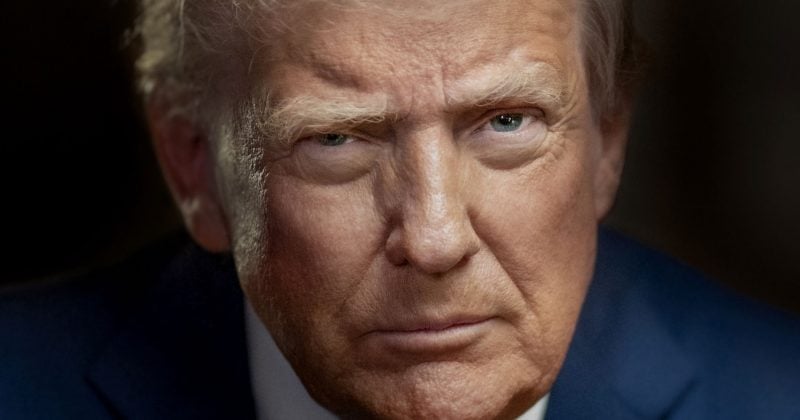
President Trump declared on June 16 that the United States would not provide any funds, sanctions relief, or unfrozen assets to Iran until the country demonstrates verifiable compliance with terms currently being negotiated between the two nations.

The statement, made during a G7 summit, directly targeted what Trump called “Fake News” reports about a supposed $300 billion investment fund for Iran.

The negotiation framework and what Iran must do

The broader diplomatic picture involves a phased framework that has been under discussion between Washington and Tehran. The terms reportedly include a 60-day ceasefire and potential access to over $12 billion in frozen Iranian assets, but only if Iran meets specific conditions.

Advertisement

Chief among those conditions is the disposal of Iran’s enriched uranium stockpile. That stockpile currently includes approximately 972 pounds of material enriched to 60%, a level that sits uncomfortably close to weapons-grade concentration. For context, 90% enrichment is generally considered the threshold for a nuclear weapon.

The Strait of Hormuz, the narrow waterway separating Iran from the Arabian Peninsula, handles roughly 20% of the world’s oil and gas trade. Any escalation or de-escalation between Washington and Tehran ripples directly into global energy pricing, shipping insurance costs, and supply chain stability.

The crypto enforcement angle

On June 2, the US Treasury sanctioned Nobitex, Iran’s largest digital asset exchange. That single action affected nearly 50% of the platform’s transaction volume.

The Nobitex sanctions are part of a broader campaign. Since April, US authorities have seized approximately $1 billion in Iranian-connected cryptocurrency. That includes $344 million frozen earlier this year.

The targeting of a specific exchange like Nobitex also sets a precedent. Rather than just sanctioning wallet addresses or individuals, the Treasury went after the platform itself, essentially treating a crypto exchange the way it would treat a bank facilitating sanctions evasion.

What this means for crypto investors

For exchanges, the Nobitex precedent means compliance infrastructure is no longer optional for platforms that touch any transactions even tangentially connected to sanctioned regions.

If the 60-day ceasefire framework actually materializes and Iran begins disposing of enriched uranium, the reopening of normal trade flows through the Strait of Hormuz could stabilize energy markets and reduce the risk premium currently baked into oil prices.

Disclosure: This article was edited by Editorial Team. For more information on how we create and review content, see our Editorial Policy.

Trump says US will not immediately provide funds to Iran, crypto sanctions intensify

Trump says US will not immediately provide funds to Iran, crypto sanctions intensify

The president denied reports of a $300 billion investment fund while the Treasury ramps up seizures of Iranian-linked digital assets

President Trump declared on June 16 that the United States would not provide any funds, sanctions relief, or unfrozen assets to Iran until the country demonstrates verifiable compliance with terms currently being negotiated between the two nations.

The statement, made during a G7 summit, directly targeted what Trump called “Fake News” reports about a supposed $300 billion investment fund for Iran.

The negotiation framework and what Iran must do

The broader diplomatic picture involves a phased framework that has been under discussion between Washington and Tehran. The terms reportedly include a 60-day ceasefire and potential access to over $12 billion in frozen Iranian assets, but only if Iran meets specific conditions.

Advertisement

Chief among those conditions is the disposal of Iran’s enriched uranium stockpile. That stockpile currently includes approximately 972 pounds of material enriched to 60%, a level that sits uncomfortably close to weapons-grade concentration. For context, 90% enrichment is generally considered the threshold for a nuclear weapon.

The Strait of Hormuz, the narrow waterway separating Iran from the Arabian Peninsula, handles roughly 20% of the world’s oil and gas trade. Any escalation or de-escalation between Washington and Tehran ripples directly into global energy pricing, shipping insurance costs, and supply chain stability.

The crypto enforcement angle

On June 2, the US Treasury sanctioned Nobitex, Iran’s largest digital asset exchange. That single action affected nearly 50% of the platform’s transaction volume.

The Nobitex sanctions are part of a broader campaign. Since April, US authorities have seized approximately $1 billion in Iranian-connected cryptocurrency. That includes $344 million frozen earlier this year.

The targeting of a specific exchange like Nobitex also sets a precedent. Rather than just sanctioning wallet addresses or individuals, the Treasury went after the platform itself, essentially treating a crypto exchange the way it would treat a bank facilitating sanctions evasion.

What this means for crypto investors

For exchanges, the Nobitex precedent means compliance infrastructure is no longer optional for platforms that touch any transactions even tangentially connected to sanctioned regions.

If the 60-day ceasefire framework actually materializes and Iran begins disposing of enriched uranium, the reopening of normal trade flows through the Strait of Hormuz could stabilize energy markets and reduce the risk premium currently baked into oil prices.

Disclosure: This article was edited by Editorial Team. For more information on how we create and review content, see our Editorial Policy.