
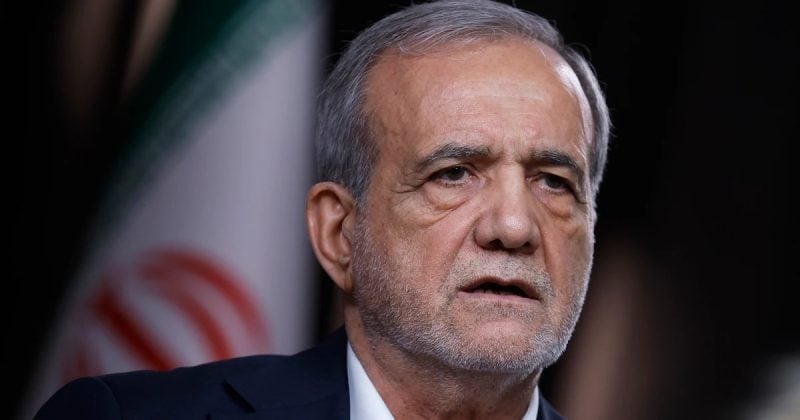
Trump threatens to cancel meetings if Iran denies IAEA inspections

Trump threatens to cancel meetings if Iran denies IAEA inspections

The US president claims Tehran agreed to full nuclear inspections, while Iran says no such deal exists, adding geopolitical uncertainty to already jittery markets.

President Donald Trump issued an ultimatum on June 23, threatening to walk away from negotiations with Iran if reports of Tehran blocking International Atomic Energy Agency inspections prove accurate. Trump claims Iran committed to allowing full, unrestricted IAEA access to its nuclear sites as part of ongoing diplomatic talks.

Iran says that never happened. Tehran has categorically denied making any new commitments regarding inspections, insisting no formal agreements have been reached.

Two sides, two stories

The core of the dispute is straightforward. Trump asserts that Iran agreed to what he described as “major weapons inspections” and “100% inspections,” claiming documentation exists to support this. He has stated that if Iran’s denial of these commitments is accurate, he would cancel further meetings entirely.

Advertisement

Iran’s position is equally unambiguous. Iranian officials have maintained that no new agreements were made, and they have specifically stated they have no intention of permitting inspections at facilities that were previously struck in military operations.

The IAEA itself has been tracking Iran’s compliance, or lack thereof. A declaration made on June 12 reportedly flagged instances of Iranian non-compliance, adding another layer of complexity to an already tangled situation.

These latest talks have taken place in Switzerland, part of a broader negotiation track that has unfolded across 2025 and 2026. Earlier rounds of discussions occurred in Oman, following a period of heightened military tensions that included strikes earlier in 2026.

A long history of broken frameworks

None of this exists in a vacuum. The current standoff is essentially a sequel to the collapse of the Joint Comprehensive Plan of Action, the 2015 nuclear deal that the US withdrew from in 2018 during Trump’s first term. That withdrawal set off a chain of escalations: Iran gradually increased its uranium enrichment levels, reduced cooperation with inspectors, and expanded its nuclear infrastructure.

The fresh round of negotiations was supposed to produce something more durable. Both sides have discussed restrictions on uranium enrichment, oversight of Iran’s nuclear stockpiles, and a stringent inspections regime administered by the IAEA.

What this means for markets and crypto investors

Investors should be watching for two signals in particular. First, any indication that the IAEA’s own assessments are being used as a trigger for further action by either side. Second, whether Trump’s threat translates into concrete steps like formal suspension of diplomatic channels or new sanctions packages.

Disclosure: This article was edited by Editorial Team. For more information on how we create and review content, see our Editorial Policy.

Trump threatens to cancel meetings if Iran denies IAEA inspections

Trump threatens to cancel meetings if Iran denies IAEA inspections

The US president claims Tehran agreed to full nuclear inspections, while Iran says no such deal exists, adding geopolitical uncertainty to already jittery markets.

President Donald Trump issued an ultimatum on June 23, threatening to walk away from negotiations with Iran if reports of Tehran blocking International Atomic Energy Agency inspections prove accurate. Trump claims Iran committed to allowing full, unrestricted IAEA access to its nuclear sites as part of ongoing diplomatic talks.

Iran says that never happened. Tehran has categorically denied making any new commitments regarding inspections, insisting no formal agreements have been reached.

Two sides, two stories

The core of the dispute is straightforward. Trump asserts that Iran agreed to what he described as “major weapons inspections” and “100% inspections,” claiming documentation exists to support this. He has stated that if Iran’s denial of these commitments is accurate, he would cancel further meetings entirely.

Advertisement

Iran’s position is equally unambiguous. Iranian officials have maintained that no new agreements were made, and they have specifically stated they have no intention of permitting inspections at facilities that were previously struck in military operations.

The IAEA itself has been tracking Iran’s compliance, or lack thereof. A declaration made on June 12 reportedly flagged instances of Iranian non-compliance, adding another layer of complexity to an already tangled situation.

These latest talks have taken place in Switzerland, part of a broader negotiation track that has unfolded across 2025 and 2026. Earlier rounds of discussions occurred in Oman, following a period of heightened military tensions that included strikes earlier in 2026.

A long history of broken frameworks

None of this exists in a vacuum. The current standoff is essentially a sequel to the collapse of the Joint Comprehensive Plan of Action, the 2015 nuclear deal that the US withdrew from in 2018 during Trump’s first term. That withdrawal set off a chain of escalations: Iran gradually increased its uranium enrichment levels, reduced cooperation with inspectors, and expanded its nuclear infrastructure.

The fresh round of negotiations was supposed to produce something more durable. Both sides have discussed restrictions on uranium enrichment, oversight of Iran’s nuclear stockpiles, and a stringent inspections regime administered by the IAEA.

What this means for markets and crypto investors

Investors should be watching for two signals in particular. First, any indication that the IAEA’s own assessments are being used as a trigger for further action by either side. Second, whether Trump’s threat translates into concrete steps like formal suspension of diplomatic channels or new sanctions packages.

Disclosure: This article was edited by Editorial Team. For more information on how we create and review content, see our Editorial Policy.