
Trump threatens to seize Iran’s Kharg Island as oil prices spike and Bitcoin wobbles
The president's escalatory rhetoric against Iran's main oil export hub sent shockwaves through energy and crypto markets alike
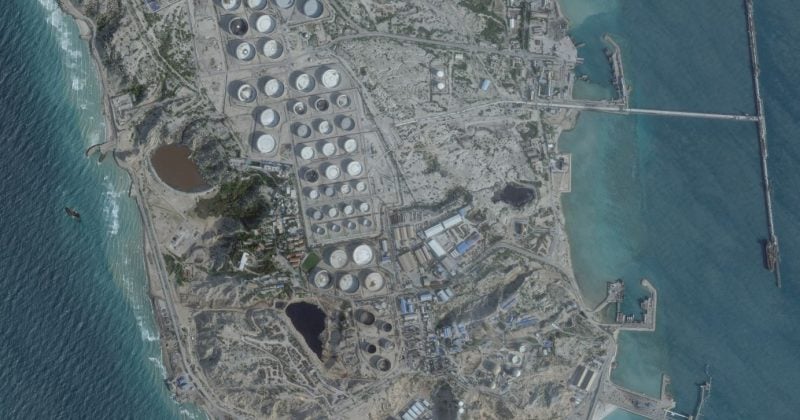
President Donald Trump threatened to take “total control” of Iran’s oil and gas markets by seizing Kharg Island, the tiny but enormously consequential terminal through which roughly 90% of Iran’s crude oil exports flow. The threat, posted on Truth Social, sent oil prices briefly spiking above $91 per barrel and triggered a notable dip in Bitcoin, which fell below $63,000 before clawing back some of its losses.
What happened and why Kharg Island matters
Kharg Island sits in the northern Persian Gulf and serves as Iran’s primary crude oil loading point. Its deep-water access allows the largest tankers in the world to dock there, making it one of the most strategically significant pieces of real estate in global energy markets.
Trump had already ordered airstrikes on Iranian military sites at Kharg back in March 2026, though he initially spared the island’s oil infrastructure. The latest threat represents a significant escalation, moving from hitting military targets to potentially crippling Iran’s entire petroleum export capability.
In a subsequent Fox News interview, Trump appeared to walk back the intensity of his remarks somewhat, expressing doubt about America’s willingness to follow through with a full seizure. He ultimately canceled the planned strikes during ceasefire negotiations.
That ceasefire didn’t last long. On July 8, Trump declared it “over” after accusing Iran of attacking commercial vessels in the Strait of Hormuz. Oil prices jumped over 6% on that announcement alone.
Macro, rates, and crypto—what moved markets and what matters next.
Daily. Free. Join 34,000+ readers across crypto, finance, and policy.
The oil-crypto connection nobody wanted
Bitcoin’s reaction to the Kharg Island threat was swift and telling. The price dipped below $63,000 as traders processed the implications of a potential US military operation against a major oil producer’s most critical export facility. Bitcoin did stabilize around $63,000 after the initial shock.
When oil spikes sharply, it feeds into inflation expectations. Higher inflation expectations make central banks less likely to cut interest rates. And tighter monetary policy tends to drain liquidity from risk assets, including crypto.
What this means for investors
The month-long US-Iran conflict that has unfolded through spring and summer 2026 has created a particularly tricky environment for portfolio positioning. Energy markets are reacting to every headline, and those reactions are cascading into equities, bonds, and digital assets.
The risk that investors should watch most carefully isn’t any single military action. It’s the compounding effect of repeated escalation and de-escalation cycles on market confidence. Each time tensions flare and then subside, the baseline level of geopolitical risk premium gets ratcheted slightly higher. That premium shows up in elevated oil prices, wider credit spreads, and yes, increased volatility in crypto markets.