
Nexo Earn with Nexo
Trump meets with national security team to discuss Iran military options as crypto markets brace for volatility

Trump meets with national security team to discuss Iran military options as crypto markets brace for volatility

The president's war room deliberations come as a ceasefire expires, oil prices climb, and Bitcoin traders try to figure out which way the wind is blowing.

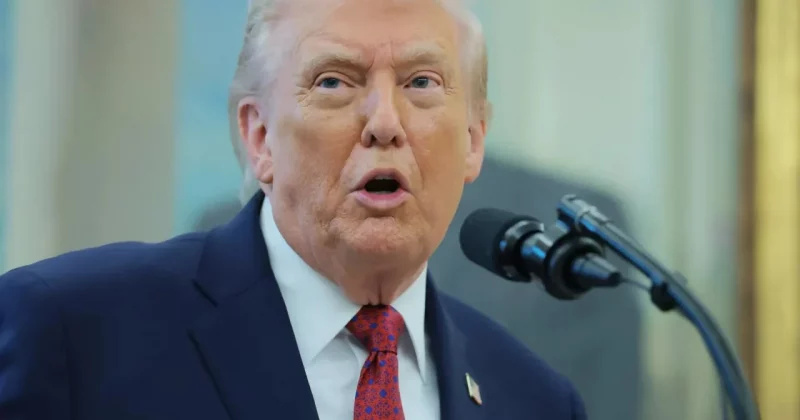
President Trump convened his national security team on April 27 to weigh military options against Iran. A ceasefire that had kept tensions in check expired on April 9, and now the question facing Washington is binary: launch strikes or restart negotiations.

For crypto investors, the answer matters more than it might seem at first glance. Bitcoin’s price action throughout 2026 has been tangled up with every twist in the Iran saga, and this latest escalation is unlikely to break that pattern.

What’s on the table

The ceasefire between the US and Iran expired on April 9, and the diplomatic runway since then has been short and turbulent. Iran’s blockade of the Strait of Hormuz, one of the world’s most critical oil chokepoints, has added a layer of economic pressure that extends well beyond the Middle East.

Trump’s meeting reportedly evaluated two broad tracks. One involves direct military strikes. The other involves a return to negotiations, though the appetite for diplomacy appears to have cooled on both sides since peace talks broke down earlier this month.

Market analysts predict that anticipated oil shortages driven by Middle Eastern tensions could delay Fed rate cuts until June. At least five notable statements from Trump regarding Iran throughout 2026 have moved Bitcoin’s price in measurable ways.

Bitcoin’s Iran problem

Bitcoin briefly surged past $72,000 on April 8, riding a wave of optimism tied to the ceasefire announcement. After reports of broken peace talks and rising oil prices, Bitcoin fell below key support levels.

Following Trump’s address in late April, Bitcoin’s value declined significantly, tracking alongside falls in gold prices.

Iran’s military sales platform began accepting cryptocurrency in January 2026 as a mechanism to circumvent US sanctions. By 2026, Iran’s mining operations contributed to approximately 4% of the global Bitcoin hashrate.

The bigger picture

The Strait of Hormuz blockade is particularly consequential. Roughly a fifth of the world’s oil passes through that narrow waterway. When it’s disrupted, energy prices spike, inflation expectations rise, and central banks get nervous about cutting rates.

What this means for investors

The correlation between Trump’s Iran rhetoric and Bitcoin’s price swings is not subtle. Five instances in a single year is a pattern, not a coincidence.

The delayed Fed rate cut timeline adds another headwind. Crypto markets have been pricing in rate relief for months. If Middle Eastern instability pushes that timeline further out, the liquidity boost that Bitcoin bulls are counting on gets pushed out with it.

Iran using crypto to fund military operations is exactly the kind of headline that gives lawmakers ammunition to push for stricter oversight. Any post-strike crackdown on sanctions evasion could include new requirements for exchanges, wallet providers, or mining operations with ties to sanctioned nations.

Disclosure: This article was edited by Editorial Team. For more information on how we create and review content, see our Editorial Policy.

Trump meets with national security team to discuss Iran military options as crypto markets brace for volatility

Trump meets with national security team to discuss Iran military options as crypto markets brace for volatility

The president's war room deliberations come as a ceasefire expires, oil prices climb, and Bitcoin traders try to figure out which way the wind is blowing.

President Trump convened his national security team on April 27 to weigh military options against Iran. A ceasefire that had kept tensions in check expired on April 9, and now the question facing Washington is binary: launch strikes or restart negotiations.

For crypto investors, the answer matters more than it might seem at first glance. Bitcoin’s price action throughout 2026 has been tangled up with every twist in the Iran saga, and this latest escalation is unlikely to break that pattern.

What’s on the table

The ceasefire between the US and Iran expired on April 9, and the diplomatic runway since then has been short and turbulent. Iran’s blockade of the Strait of Hormuz, one of the world’s most critical oil chokepoints, has added a layer of economic pressure that extends well beyond the Middle East.

Trump’s meeting reportedly evaluated two broad tracks. One involves direct military strikes. The other involves a return to negotiations, though the appetite for diplomacy appears to have cooled on both sides since peace talks broke down earlier this month.

Market analysts predict that anticipated oil shortages driven by Middle Eastern tensions could delay Fed rate cuts until June. At least five notable statements from Trump regarding Iran throughout 2026 have moved Bitcoin’s price in measurable ways.

Bitcoin’s Iran problem

Bitcoin briefly surged past $72,000 on April 8, riding a wave of optimism tied to the ceasefire announcement. After reports of broken peace talks and rising oil prices, Bitcoin fell below key support levels.

Following Trump’s address in late April, Bitcoin’s value declined significantly, tracking alongside falls in gold prices.

Iran’s military sales platform began accepting cryptocurrency in January 2026 as a mechanism to circumvent US sanctions. By 2026, Iran’s mining operations contributed to approximately 4% of the global Bitcoin hashrate.

The bigger picture

The Strait of Hormuz blockade is particularly consequential. Roughly a fifth of the world’s oil passes through that narrow waterway. When it’s disrupted, energy prices spike, inflation expectations rise, and central banks get nervous about cutting rates.

What this means for investors

The correlation between Trump’s Iran rhetoric and Bitcoin’s price swings is not subtle. Five instances in a single year is a pattern, not a coincidence.

The delayed Fed rate cut timeline adds another headwind. Crypto markets have been pricing in rate relief for months. If Middle Eastern instability pushes that timeline further out, the liquidity boost that Bitcoin bulls are counting on gets pushed out with it.

Iran using crypto to fund military operations is exactly the kind of headline that gives lawmakers ammunition to push for stricter oversight. Any post-strike crackdown on sanctions evasion could include new requirements for exchanges, wallet providers, or mining operations with ties to sanctioned nations.

Disclosure: This article was edited by Editorial Team. For more information on how we create and review content, see our Editorial Policy.