
Trump confirms Iran will never acquire nuclear weapons in G7 remarks, Bitcoin rallies past $67K
The newly signed US-Iran agreement eases geopolitical tensions, sending risk assets higher as traders bet on a calmer global landscape
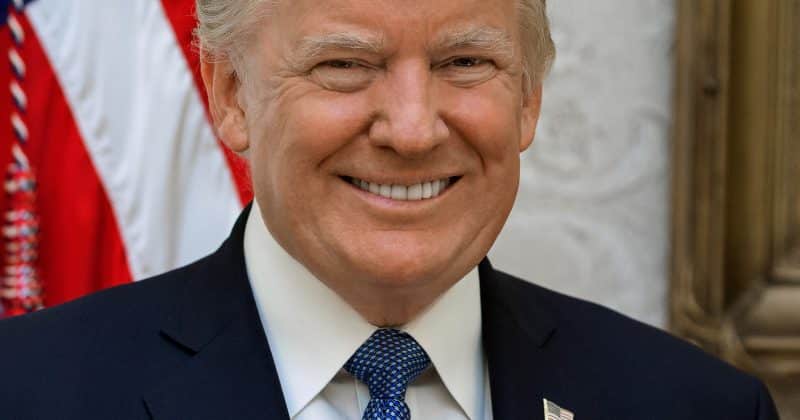
President Donald Trump announced at the G7 summit in France on June 16 that the US and Iran have reached an agreement ensuring Tehran will never obtain or develop nuclear weapons. Bitcoin responded by pushing past $67,000 as markets shifted into risk-on mode on the back of reduced geopolitical uncertainty.
“Iran will never have a nuclear weapon, that’s what it says,” Trump told reporters at the summit, adding that he intends to release the full text of the agreement in a formal setting. The deal was virtually signed on June 15, with Qatar and Pakistan serving as mediators between Washington and Tehran.
What the deal actually covers
The agreement establishes a 60-day technical phase during which both sides will continue dialogue on Iran’s nuclear capabilities. It also addresses the lifting of port blockades and the reopening of the Strait of Hormuz, a narrow waterway through which roughly a fifth of the world’s oil supply passes on any given day.
Trump also dismissed claims that the US made $300 million in payments to Iran as part of the arrangement, calling the reports “fake news.” He emphasized that any violation of the pact would carry severe consequences, though he did not elaborate on what those consequences would look like.
The agreement represents a sharp departure from the confrontational posture that has characterized US-Iran relations in recent years. The US had previously conducted military strikes on Iranian nuclear sites, and the diplomatic relationship has been strained since the 2018 withdrawal from the Joint Comprehensive Plan of Action, commonly known as the Iran nuclear deal.
Macro, rates, and crypto—what moved markets and what matters next.
Daily. Free. Join 34,000+ readers across crypto, finance, and policy.
How crypto markets are responding
Bitcoin broke above $67,000 following the announcement, riding a wave of optimism that extended across risk assets broadly. Historical data shows that previous diplomatic engagements between the two countries have coincided with upward trends in Bitcoin.
What this means for investors
The JCPOA comparison is instructive. When that deal was originally signed in 2015, it produced a sustained period of reduced tension that benefited risk assets for months. When Trump pulled the US out in 2018, markets eventually repriced the increased geopolitical risk.
Traders should keep a close eye on two things over the coming weeks. First, oil prices. If crude continues to stabilize as the Strait of Hormuz reopens, that removes a major headwind for risk assets. Second, the progress of the 60-day technical phase. Any signs that talks are stalling or that either side is backing away from commitments could reverse the current optimism quickly.