
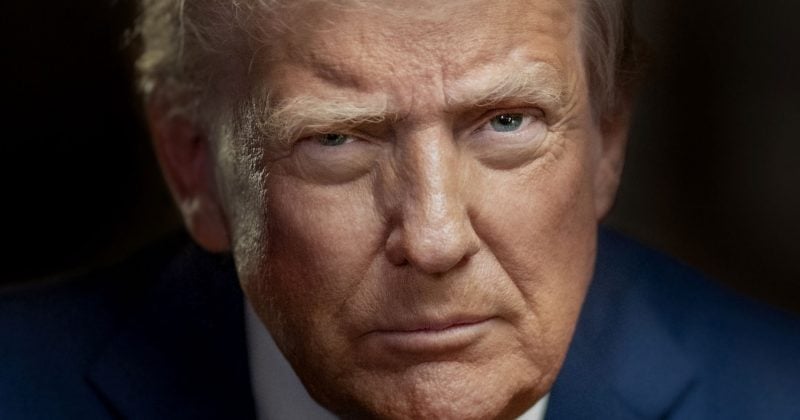
Trump announces Iran nuclear non-proliferation commitment ahead of Doha meeting

Trump announces Iran nuclear non-proliferation commitment ahead of Doha meeting

US and Iranian officials are set to meet in Qatar as Trump claims Tehran agreed not to pursue nuclear weapons, though the geopolitical ripple effects could reach well beyond oil markets.

President Donald Trump announced on June 29 that Iran has agreed not to obtain nuclear weapons and that US and Iranian officials will meet the following day in Doha, Qatar. The announcement, made via Truth Social, marks a potentially significant moment in a diplomatic saga that has rattled global markets for the better part of a year.

Trump stated that Iran had requested the meeting, and he warned of “unbelievable consequences” if Tehran were to violate its commitment. The US delegation is expected to include special envoy Steve Witkoff and advisor Jared Kushner.

What we know about the Doha talks

The meeting falls within a 60-day negotiation window focused on nuclear non-proliferation issues, part of broader US-Iran discussions that have stretched across 2025 and into 2026. Additional technical discussions are reportedly planned on the sidelines of the main talks.

Advertisement

Some Iranian officials were reportedly confused by Trump’s declaration. Others denied that a meeting had been formally scheduled, instead pointing to the ongoing negotiations surrounding a ceasefire and broader nuclear framework discussions.

The meeting comes against the backdrop of a fragile ceasefire agreed earlier in June 2026 that ended active military conflict between the two sides. Subsequent clashes in the Gulf region have tested the agreement and kept tensions simmering.

Why crypto markets should pay attention

The Gulf region remains the world’s most critical corridor for energy supplies, and any disruption, whether from military conflict or a breakdown in negotiations, sends shockwaves through commodity markets. A successful outcome in Doha that genuinely de-escalates tensions and produces a verifiable commitment from Iran on nuclear non-proliferation would likely boost market confidence across the board. Stable oil supplies mean more predictable inflation expectations, which means central banks have fewer reasons to tighten policy unexpectedly.

The bigger picture for investors

The US-Iran relationship has been one of the most consequential geopolitical storylines for global markets since at least 2024. The escalation to active military conflict earlier in 2026, followed by the fragile ceasefire, created a risk premium that has been priced into everything from crude oil futures to emerging market debt.

The fact that Iranian officials have reportedly given conflicting signals about whether this meeting is even happening should temper any rush to reposition portfolios. For crypto traders specifically, any concrete agreement with verification mechanisms would be bullish for risk sentiment globally, while vague statements about “continued dialogue” would likely be treated as noise.

Disclosure: This article was edited by Editorial Team. For more information on how we create and review content, see our Editorial Policy.

Trump announces Iran nuclear non-proliferation commitment ahead of Doha meeting

Trump announces Iran nuclear non-proliferation commitment ahead of Doha meeting

US and Iranian officials are set to meet in Qatar as Trump claims Tehran agreed not to pursue nuclear weapons, though the geopolitical ripple effects could reach well beyond oil markets.

President Donald Trump announced on June 29 that Iran has agreed not to obtain nuclear weapons and that US and Iranian officials will meet the following day in Doha, Qatar. The announcement, made via Truth Social, marks a potentially significant moment in a diplomatic saga that has rattled global markets for the better part of a year.

Trump stated that Iran had requested the meeting, and he warned of “unbelievable consequences” if Tehran were to violate its commitment. The US delegation is expected to include special envoy Steve Witkoff and advisor Jared Kushner.

What we know about the Doha talks

The meeting falls within a 60-day negotiation window focused on nuclear non-proliferation issues, part of broader US-Iran discussions that have stretched across 2025 and into 2026. Additional technical discussions are reportedly planned on the sidelines of the main talks.

Advertisement

Some Iranian officials were reportedly confused by Trump’s declaration. Others denied that a meeting had been formally scheduled, instead pointing to the ongoing negotiations surrounding a ceasefire and broader nuclear framework discussions.

The meeting comes against the backdrop of a fragile ceasefire agreed earlier in June 2026 that ended active military conflict between the two sides. Subsequent clashes in the Gulf region have tested the agreement and kept tensions simmering.

Why crypto markets should pay attention

The Gulf region remains the world’s most critical corridor for energy supplies, and any disruption, whether from military conflict or a breakdown in negotiations, sends shockwaves through commodity markets. A successful outcome in Doha that genuinely de-escalates tensions and produces a verifiable commitment from Iran on nuclear non-proliferation would likely boost market confidence across the board. Stable oil supplies mean more predictable inflation expectations, which means central banks have fewer reasons to tighten policy unexpectedly.

The bigger picture for investors

The US-Iran relationship has been one of the most consequential geopolitical storylines for global markets since at least 2024. The escalation to active military conflict earlier in 2026, followed by the fragile ceasefire, created a risk premium that has been priced into everything from crude oil futures to emerging market debt.

The fact that Iranian officials have reportedly given conflicting signals about whether this meeting is even happening should temper any rush to reposition portfolios. For crypto traders specifically, any concrete agreement with verification mechanisms would be bullish for risk sentiment globally, while vague statements about “continued dialogue” would likely be treated as noise.

Disclosure: This article was edited by Editorial Team. For more information on how we create and review content, see our Editorial Policy.