
Nexo Earn with Nexo
POTUS warns on Iran nuclear threat, anticipates oil flow surge

POTUS warns on Iran nuclear threat, anticipates oil flow surge

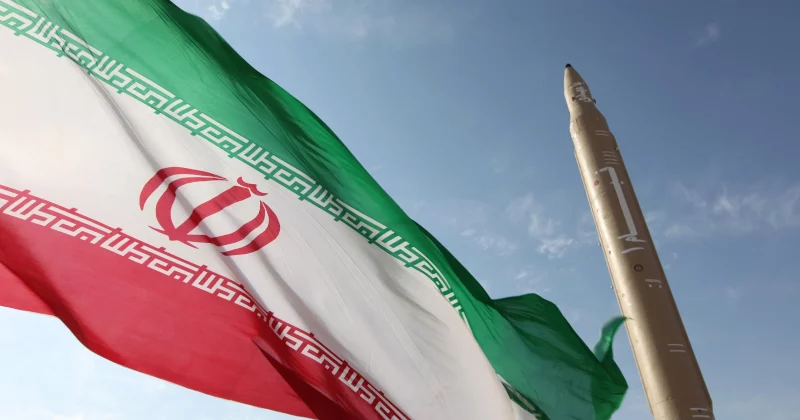
Trump's escalating rhetoric on Iran's nuclear program is rippling through energy markets and nudging crypto investors toward risk recalculation.

President Donald Trump has declared that Iran’s nuclear threat “will end soon,” signaling that the United States is prepared to act if diplomacy fails. Alongside that warning, he’s forecasting a drop in oil prices, tying geopolitical resolution to cheaper energy for American consumers.

The comments sit at the intersection of national security posturing and market-moving rhetoric. And for investors across energy, equities, and crypto, the implications are anything but simple.

The diplomatic tightrope

Trump has framed Iran’s nuclear ambitions as one of the most significant threats to global security. In a State of the Union-style address, he labeled Iran the world’s leading sponsor of terror and said the country will not be permitted to possess a nuclear weapon.

His preferred path, at least publicly, is diplomacy. But the backup plan involves military preparations that have been intermittently ordered and then delayed as negotiations continue behind the scenes.

Here’s the thing: those two signals, talk of peace and preparations for war, don’t exactly calm markets. They create a kind of geopolitical whiplash that traders have to price in real-time, often with incomplete information.

Iran’s leadership has dismissed US threats outright. Officials in Tehran have vowed retaliation and warned of broader regional escalation if the US follows through on military action. Meanwhile, back-channel talks aimed at sanctions relief are reportedly progressing through intermediaries, suggesting that neither side has fully abandoned the negotiating table.

Advertisement

Critics have accused Trump of making what they describe as genocidal threats toward Iran, pointing to warnings about significant civilian casualties if Iran refuses to comply with US demands. Whether that language is genuine escalation or negotiating leverage is a question that analysts and diplomats are actively debating.

Oil markets caught in the crossfire

Trump’s prediction that oil prices will fall hinges on a specific theory: resolve the Iran situation, and crude supply expands. In English: if sanctions are lifted or tensions cool enough to bring Iranian oil back to global markets at scale, the added supply should push prices down.

That logic isn’t wrong in a vacuum. Iran sits on some of the largest proven oil reserves in the world, and sanctions have kept a significant portion of that supply off the market. A diplomatic breakthrough could indeed unleash a wave of crude that would pressure prices lower.

But the path to that outcome is littered with uncertainty. Military conflict in the region would achieve the exact opposite, potentially disrupting shipping lanes in the Strait of Hormuz, through which roughly a fifth of the world’s oil passes daily. Even the threat of conflict tends to add a risk premium to crude.

So investors are stuck watching a president who is simultaneously promising cheaper oil and rattling sabers. The result is volatility. Crude prices have been swinging on every new statement, every troop movement rumor, and every anonymous diplomatic leak.

For the average person, this translates to uncertainty at the gas pump. For institutional investors, it means hedging strategies are getting more expensive and more complicated.

What this means for crypto and risk assets

Look, the connection between Iran policy and Bitcoin might seem like a stretch. It’s not.

Geopolitical instability has a well-documented effect on risk appetite across all asset classes. When tensions in the Middle East escalate, institutional capital tends to rotate out of volatile assets, including crypto, and into perceived safe havens like gold, treasuries, and the US dollar.

The flip side is equally important. If Trump’s rhetoric leads to an actual diplomatic resolution, the resulting de-escalation could trigger a broad risk-on move. Lower oil prices would ease inflationary pressures, giving the Federal Reserve more room to consider rate cuts, which historically has been rocket fuel for crypto and growth stocks alike.

The scenario where things go sideways, meaning actual military engagement, is the one that keeps portfolio managers up at night. A shooting war in the Persian Gulf would spike energy costs, reignite inflation fears, and likely send risk assets into a sharp correction. Bitcoin has shown some resilience as a hedge against monetary chaos, but it has not historically performed well during acute geopolitical shocks when liquidity dries up fast.

Crypto investors should be watching two things closely. First, the tone of back-channel negotiations between the US and Iran, because any concrete progress toward sanctions relief would be bullish for risk assets broadly. Second, any movement of US military assets in the region, which would signal that the diplomatic window is closing.

The balance between de-escalation and potential military action will heavily influence market dynamics in the weeks ahead. Energy prices, dollar strength, and Fed policy expectations are all downstream of how this situation unfolds. And every one of those variables feeds directly into crypto valuations, whether the market wants to admit it or not.

Disclosure: This article was edited by Editorial Team. For more information on how we create and review content, see our Editorial Policy.

POTUS warns on Iran nuclear threat, anticipates oil flow surge

POTUS warns on Iran nuclear threat, anticipates oil flow surge

Trump's escalating rhetoric on Iran's nuclear program is rippling through energy markets and nudging crypto investors toward risk recalculation.

President Donald Trump has declared that Iran’s nuclear threat “will end soon,” signaling that the United States is prepared to act if diplomacy fails. Alongside that warning, he’s forecasting a drop in oil prices, tying geopolitical resolution to cheaper energy for American consumers.

The comments sit at the intersection of national security posturing and market-moving rhetoric. And for investors across energy, equities, and crypto, the implications are anything but simple.

The diplomatic tightrope

Trump has framed Iran’s nuclear ambitions as one of the most significant threats to global security. In a State of the Union-style address, he labeled Iran the world’s leading sponsor of terror and said the country will not be permitted to possess a nuclear weapon.

His preferred path, at least publicly, is diplomacy. But the backup plan involves military preparations that have been intermittently ordered and then delayed as negotiations continue behind the scenes.

Here’s the thing: those two signals, talk of peace and preparations for war, don’t exactly calm markets. They create a kind of geopolitical whiplash that traders have to price in real-time, often with incomplete information.

Iran’s leadership has dismissed US threats outright. Officials in Tehran have vowed retaliation and warned of broader regional escalation if the US follows through on military action. Meanwhile, back-channel talks aimed at sanctions relief are reportedly progressing through intermediaries, suggesting that neither side has fully abandoned the negotiating table.

Advertisement

Critics have accused Trump of making what they describe as genocidal threats toward Iran, pointing to warnings about significant civilian casualties if Iran refuses to comply with US demands. Whether that language is genuine escalation or negotiating leverage is a question that analysts and diplomats are actively debating.

Oil markets caught in the crossfire

Trump’s prediction that oil prices will fall hinges on a specific theory: resolve the Iran situation, and crude supply expands. In English: if sanctions are lifted or tensions cool enough to bring Iranian oil back to global markets at scale, the added supply should push prices down.

That logic isn’t wrong in a vacuum. Iran sits on some of the largest proven oil reserves in the world, and sanctions have kept a significant portion of that supply off the market. A diplomatic breakthrough could indeed unleash a wave of crude that would pressure prices lower.

But the path to that outcome is littered with uncertainty. Military conflict in the region would achieve the exact opposite, potentially disrupting shipping lanes in the Strait of Hormuz, through which roughly a fifth of the world’s oil passes daily. Even the threat of conflict tends to add a risk premium to crude.

So investors are stuck watching a president who is simultaneously promising cheaper oil and rattling sabers. The result is volatility. Crude prices have been swinging on every new statement, every troop movement rumor, and every anonymous diplomatic leak.

For the average person, this translates to uncertainty at the gas pump. For institutional investors, it means hedging strategies are getting more expensive and more complicated.

What this means for crypto and risk assets

Look, the connection between Iran policy and Bitcoin might seem like a stretch. It’s not.

Geopolitical instability has a well-documented effect on risk appetite across all asset classes. When tensions in the Middle East escalate, institutional capital tends to rotate out of volatile assets, including crypto, and into perceived safe havens like gold, treasuries, and the US dollar.

The flip side is equally important. If Trump’s rhetoric leads to an actual diplomatic resolution, the resulting de-escalation could trigger a broad risk-on move. Lower oil prices would ease inflationary pressures, giving the Federal Reserve more room to consider rate cuts, which historically has been rocket fuel for crypto and growth stocks alike.

The scenario where things go sideways, meaning actual military engagement, is the one that keeps portfolio managers up at night. A shooting war in the Persian Gulf would spike energy costs, reignite inflation fears, and likely send risk assets into a sharp correction. Bitcoin has shown some resilience as a hedge against monetary chaos, but it has not historically performed well during acute geopolitical shocks when liquidity dries up fast.

Crypto investors should be watching two things closely. First, the tone of back-channel negotiations between the US and Iran, because any concrete progress toward sanctions relief would be bullish for risk assets broadly. Second, any movement of US military assets in the region, which would signal that the diplomatic window is closing.

The balance between de-escalation and potential military action will heavily influence market dynamics in the weeks ahead. Energy prices, dollar strength, and Fed policy expectations are all downstream of how this situation unfolds. And every one of those variables feeds directly into crypto valuations, whether the market wants to admit it or not.

Disclosure: This article was edited by Editorial Team. For more information on how we create and review content, see our Editorial Policy.