
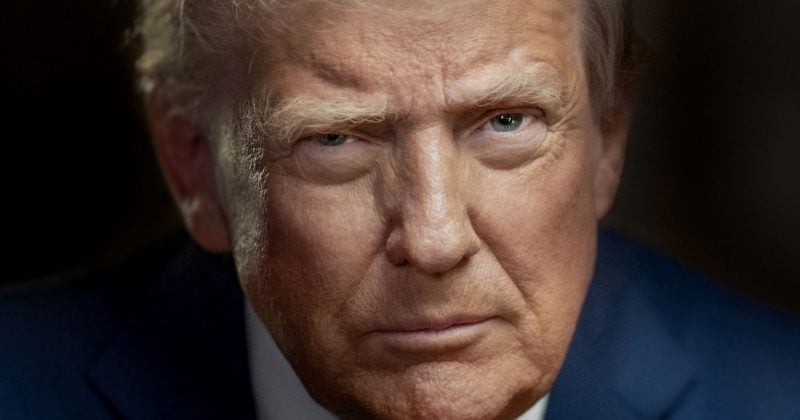
Trump states Iran will not have nuclear weapon, cites memorandum of understanding
A one-to-two page memo lays the groundwork for sanctions relief, Strait of Hormuz reopening, and what could become the most consequential diplomatic deal in years
President Donald Trump confirmed that a memorandum of understanding with Iran explicitly states the country will not develop a nuclear weapon. The statement, delivered in June 2026, underscores what the administration is framing as a landmark diplomatic breakthrough after months of escalating tensions in the Middle East.
The MoU, described as just one to two pages long, covers far more than nuclear commitments. It also addresses the reopening of the Strait of Hormuz, a cessation of hostilities, and a system of performance-based sanctions relief tied to Iran’s compliance on its nuclear program.
What the deal actually says
The MoU is designed as a framework, not a final agreement. It establishes the broad strokes: Iran pledges not to pursue nuclear weapons development, the US commits to a pathway for sanctions relief, and both sides agree to reopen the Strait of Hormuz, a critical waterway through which roughly a fifth of the world’s oil supply passes.
The formal signing is anticipated around June 19. After that, negotiators are expected to move into a second phase tackling the genuinely hard stuff, including Iran’s existing stockpile of enriched uranium and additional nuclear-related technical questions that a two-page memo simply cannot resolve.
Trump has been unequivocal in his messaging. “Iran will never have a nuclear weapon” is the central pillar of the administration’s framing.
The skepticism problem
The CIA has reportedly flagged concerns about Iran’s reliability in honoring commitments of this nature. Intelligence analysts have expressed skepticism about whether Tehran will follow through, a stance that carries significant weight given the agency’s deep institutional knowledge of Iranian negotiating behavior.
The news moving money, markets, and the world—before your day starts.
Daily. Free. Join 34,000+ readers across crypto, finance, and policy.
Complicating matters further, Iranian officials have offered conflicting narratives about what exactly has been negotiated regarding nuclear specifics. That gap between what Washington says the deal contains and what Tehran acknowledges is precisely the kind of ambiguity that has torpedoed previous agreements.
The 2015 Joint Comprehensive Plan of Action, better known as the Iran nuclear deal, was a far more detailed multilateral agreement that took years to negotiate. Trump withdrew the US from the JCPOA in 2018, arguing it was insufficient to prevent Iran from eventually obtaining nuclear capabilities. Throughout 2025, US and Israeli military actions against Iranian nuclear facilities significantly escalated tensions in the region.
A performance-based sanctions relief model would ease restrictions incrementally as Iran demonstrates compliance at each stage, giving the administration more leverage to re-impose penalties if Iran backslides.
What this means for markets and crypto investors
There is no crypto-specific component to the MoU, and no regulatory implications for blockchain technology emerge directly from the text. In May 2026, preliminary discussions about a potential US-Iran deal led to short-term fluctuations in both Bitcoin and oil prices.
The Strait of Hormuz component is the most market-relevant piece of the puzzle. Reopening the strait and stabilizing shipping routes through the Persian Gulf would ease pressure on global oil supply, potentially pushing energy prices lower.
Crypto traders watching this situation should focus on two dates. The first is the anticipated June 19 signing. The second is whatever timeline emerges for the more detailed second-phase negotiations. The performance-based sanctions relief model also creates an ongoing series of checkpoints, as each compliance review becomes a potential catalyst for either confidence or anxiety, depending on what inspectors find.