
Nexo Earn with Nexo
Trump plans to seize control of Iran’s oil infrastructure

Trump plans to seize control of Iran’s oil infrastructure

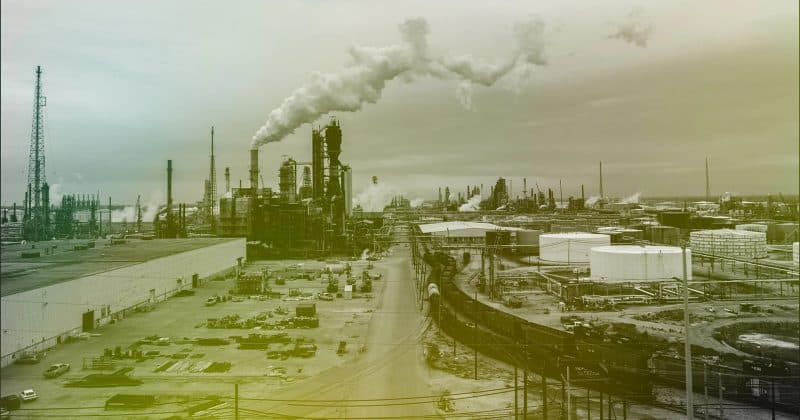
The president floated taking over Kharg Island, which handles roughly 90% of Iran's oil exports, raising questions about what it means for crypto markets already navigating geopolitical turbulence.

President Donald Trump has signaled that the United States may move to take control of Iran’s Kharg Island and other critical oil infrastructure, a proposal that would represent one of the most aggressive American military actions in the Middle East in decades.

Kharg Island handles approximately 90% of Iran’s oil exports. Seizing it wouldn’t just cripple Iran’s economy. It would reshape global energy markets overnight.

What Trump actually said

In an interview with the Financial Times around March 29, Trump laid out the idea with characteristic ambiguity.

“Maybe we take Kharg Island, maybe we don’t. We have a lot of options.”

He drew comparisons to past US actions in Venezuela, framing the potential seizure as part of a broader toolkit of pressure campaigns against adversarial oil-producing nations.

Advertisement

The comments arrived during a period of escalating military activity involving the US, Israel, and Iran. American forces had already been conducting strikes against Iranian military targets, and concerns about the stability of the Strait of Hormuz, one of the most important chokepoints for global oil transport, were mounting.

Crypto’s surprisingly calm reaction

In mid-March 2026, Bitcoin was trading at approximately $71,000, holding steady despite the drumbeat of military escalation.

By April, speculation about a full seizure of Kharg Island cooled as reports emerged that Trump had pulled back from ground operation planning due to concerns about potential casualties. Military strikes continued but were limited to military sites, deliberately sparing key oil infrastructure.

Prediction markets reflected the shift in sentiment. Odds of a US takeover of Kharg Island declined through April as the reality of a costly ground operation set in.

The sanctions-crypto connection

US authorities froze an estimated $344 million in cryptocurrencies linked to Iranian activities in April 2026. Iranian officials have reportedly used Bitcoin, Tron, and other digital assets to circumvent American sanctions, turning blockchain networks into a financial lifeline when traditional banking channels are cut off.

The $344 million freeze signals that US enforcement agencies are getting better at tracing and seizing crypto tied to sanctioned entities. For the broader market, this means increased scrutiny on crypto flows, particularly on exchanges that handle high volumes of transactions originating from or routed through sanctioned jurisdictions.

What this means for investors

Traders should watch two things closely. First, any renewed rhetoric about Kharg Island or expanded military operations, which would likely trigger volatility in both oil and crypto. Second, further Treasury actions targeting crypto wallets linked to Iranian sanctions evasion, which could create selling pressure if seized assets are eventually liquidated.

Disclosure: This article was edited by Editorial Team. For more information on how we create and review content, see our Editorial Policy.

Trump plans to seize control of Iran’s oil infrastructure

Trump plans to seize control of Iran’s oil infrastructure

The president floated taking over Kharg Island, which handles roughly 90% of Iran's oil exports, raising questions about what it means for crypto markets already navigating geopolitical turbulence.

President Donald Trump has signaled that the United States may move to take control of Iran’s Kharg Island and other critical oil infrastructure, a proposal that would represent one of the most aggressive American military actions in the Middle East in decades.

Kharg Island handles approximately 90% of Iran’s oil exports. Seizing it wouldn’t just cripple Iran’s economy. It would reshape global energy markets overnight.

What Trump actually said

In an interview with the Financial Times around March 29, Trump laid out the idea with characteristic ambiguity.

“Maybe we take Kharg Island, maybe we don’t. We have a lot of options.”

He drew comparisons to past US actions in Venezuela, framing the potential seizure as part of a broader toolkit of pressure campaigns against adversarial oil-producing nations.

Advertisement

The comments arrived during a period of escalating military activity involving the US, Israel, and Iran. American forces had already been conducting strikes against Iranian military targets, and concerns about the stability of the Strait of Hormuz, one of the most important chokepoints for global oil transport, were mounting.

Crypto’s surprisingly calm reaction

In mid-March 2026, Bitcoin was trading at approximately $71,000, holding steady despite the drumbeat of military escalation.

By April, speculation about a full seizure of Kharg Island cooled as reports emerged that Trump had pulled back from ground operation planning due to concerns about potential casualties. Military strikes continued but were limited to military sites, deliberately sparing key oil infrastructure.

Prediction markets reflected the shift in sentiment. Odds of a US takeover of Kharg Island declined through April as the reality of a costly ground operation set in.

The sanctions-crypto connection

US authorities froze an estimated $344 million in cryptocurrencies linked to Iranian activities in April 2026. Iranian officials have reportedly used Bitcoin, Tron, and other digital assets to circumvent American sanctions, turning blockchain networks into a financial lifeline when traditional banking channels are cut off.

The $344 million freeze signals that US enforcement agencies are getting better at tracing and seizing crypto tied to sanctioned entities. For the broader market, this means increased scrutiny on crypto flows, particularly on exchanges that handle high volumes of transactions originating from or routed through sanctioned jurisdictions.

What this means for investors

Traders should watch two things closely. First, any renewed rhetoric about Kharg Island or expanded military operations, which would likely trigger volatility in both oil and crypto. Second, further Treasury actions targeting crypto wallets linked to Iranian sanctions evasion, which could create selling pressure if seized assets are eventually liquidated.

Disclosure: This article was edited by Editorial Team. For more information on how we create and review content, see our Editorial Policy.