
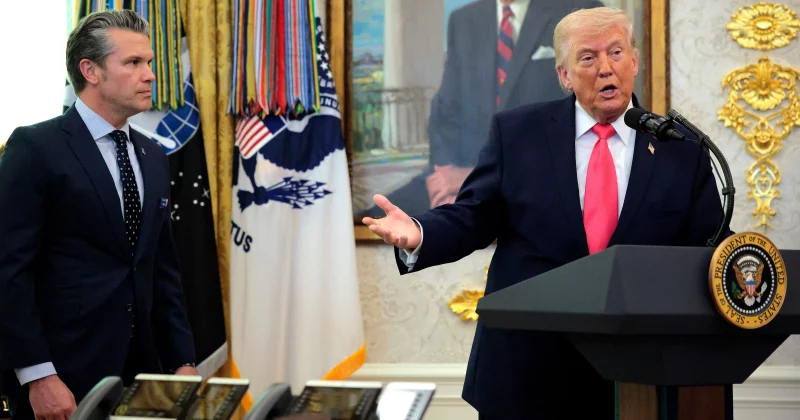
Trump announces peace agreement negotiated with Iran and Middle Eastern nations
The near-finalized deal carries real implications for crypto markets, where Bitcoin and Ethereum have swung violently with every ceasefire headline.
President Trump announced that the US, Iran, and several Middle Eastern nations have largely negotiated a peace agreement. The deal, which Trump described as nearing completion, follows months of intermittent ceasefires, truce extensions, and back-channel negotiations involving some of the region’s biggest players.
What we know about the deal
The negotiations reportedly involve the US, Iran, Israel, Qatar, Saudi Arabia, and the UAE. The core issues on the table include Iran’s nuclear program and broader regional stability.
Trump indicated there is a “very good chance” for a potential nuclear deal as part of the broader agreement. Draft agreements are currently under review by the parties involved.
The diplomatic track picked up momentum after Gulf leaders requested a pause on planned US military actions, a request Trump apparently granted. That pause created the window for the current round of talks.
The first ceasefire in this conflict cycle was announced around April 8, 2026, as a two-week arrangement. That initial pause was extended multiple times, eventually becoming indefinite as negotiations gained traction.
Trump has also signaled that the diplomatic approach isn’t unconditional. He indicated that further assessments could lead to resumed military actions if negotiations stall or collapse.
The news moving money, markets, and the world—before your day starts.
Daily. Free. Join 34,000+ readers across crypto, finance, and policy.
How crypto markets have responded
Bitcoin has experienced significant price fluctuations tied directly to the peace talks. During periods of renewed threats or stalled negotiations, BTC dipped below $77K and even below $69K at various points.
Ethereum told an even more dramatic story. ETH surged 9% to $2,420 following an Iran-Israel ceasefire announcement in June 2025. The pattern has been consistent: de-escalation signals push prices higher, while renewed hostility triggers sell-offs.
No new tokens have emerged directly tied to the negotiations. The market’s attention has stayed focused on BTC and ETH as the primary vehicles for expressing geopolitical risk views.
The bigger picture
This diplomatic push exists against a backdrop of tensions that trace back to the US withdrawal from the 2015 JCPOA nuclear agreement. The involvement of Gulf states like Saudi Arabia, Qatar, and the UAE reflects a regional diplomatic architecture that didn’t exist during the original JCPOA negotiations.
What this means for investors
Trump acknowledged that the agreement is “largely” negotiated, not finalized. Draft agreements are under review, and the explicit threat of resumed military action if talks fail means the downside scenario hasn’t been eliminated.
Traders with exposure to BTC and ETH should be watching the diplomatic calendar closely. CoinDesk and The Block have documented market shifts linking price movements to the broader risk appetite in the financial landscape as the talks remain fluid with intermittent announcements.