
Nexo Earn with Nexo
Trump says Iran peace deal possible in two to three days, crypto markets react

Trump says Iran peace deal possible in two to three days, crypto markets react

Bitcoin has shown sensitivity to every twist in US-Iran negotiations, and a potential deal could shift risk sentiment across digital assets.

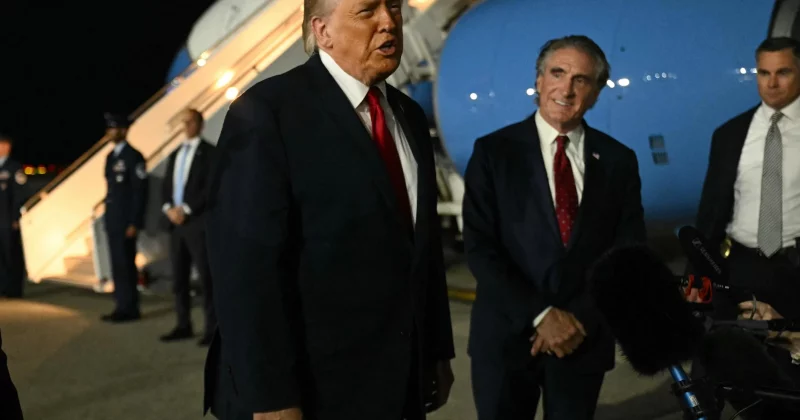
President Donald Trump told reporters on June 9 that a peace agreement with Iran could come together within two to three days, offering his most optimistic timeline yet for negotiations that have whipsawed global markets for weeks.

Trump made the comments in New York after attending Game 3 of the NBA Finals between the Knicks and the Spurs.

What’s on the table

The talks center on a proposed 60-day ceasefire and discussions about reopening the Strait of Hormuz, one of the most strategically important waterways on the planet. Roughly a fifth of the world’s oil passes through that narrow channel.

Advertisement

The negotiations have played out against a backdrop of escalating tensions between the US, Israel, and Iran earlier this year. Weeks of back-and-forth speculation over a memorandum of understanding have kept markets in a state of persistent uncertainty.

How crypto is responding

Bitcoin recovered toward the $76,000 to $78,000 range in early June as optimism around the peace talks built. The correlation between positive negotiation updates and short-term price moves has been striking, with Bitcoin swinging between 1% and 5% on individual news developments related to the ceasefire and Iran’s role in the conflict.

The US Treasury has frozen Iranian-associated digital asset holdings valued at hundreds of millions of dollars as part of its ongoing enforcement regime. Iranian exchange activity has been flagged on networks like Tron and BNB Chain.

What this means for investors

A 60-day ceasefire is not a permanent peace. It’s a cooling-off period, which means the market could find itself right back in uncertainty mode within weeks.

Even if diplomatic relations improve, the US Treasury’s aggressive posture toward Iranian-linked crypto assets suggests that compliance risks will persist. The hundreds of millions in frozen digital assets serve as a tangible reminder that regulatory action moves on its own timeline, often independent of diplomatic progress.

Reopening the Strait of Hormuz would ease energy supply concerns, potentially lowering oil prices and reducing inflationary pressure. Lower inflation expectations could influence Federal Reserve policy decisions, which in turn affect liquidity conditions that matter enormously for crypto valuations.

If Trump’s optimistic timeline proves premature, the disappointment trade could be sharp. Crypto’s 1% to 5% reaction range on individual headlines could skew heavily to the downside if talks collapse or stall indefinitely.

Disclosure: This article was edited by Editorial Team. For more information on how we create and review content, see our Editorial Policy.

Trump says Iran peace deal possible in two to three days, crypto markets react

Trump says Iran peace deal possible in two to three days, crypto markets react

Bitcoin has shown sensitivity to every twist in US-Iran negotiations, and a potential deal could shift risk sentiment across digital assets.

President Donald Trump told reporters on June 9 that a peace agreement with Iran could come together within two to three days, offering his most optimistic timeline yet for negotiations that have whipsawed global markets for weeks.

Trump made the comments in New York after attending Game 3 of the NBA Finals between the Knicks and the Spurs.

What’s on the table

The talks center on a proposed 60-day ceasefire and discussions about reopening the Strait of Hormuz, one of the most strategically important waterways on the planet. Roughly a fifth of the world’s oil passes through that narrow channel.

Advertisement

The negotiations have played out against a backdrop of escalating tensions between the US, Israel, and Iran earlier this year. Weeks of back-and-forth speculation over a memorandum of understanding have kept markets in a state of persistent uncertainty.

How crypto is responding

Bitcoin recovered toward the $76,000 to $78,000 range in early June as optimism around the peace talks built. The correlation between positive negotiation updates and short-term price moves has been striking, with Bitcoin swinging between 1% and 5% on individual news developments related to the ceasefire and Iran’s role in the conflict.

The US Treasury has frozen Iranian-associated digital asset holdings valued at hundreds of millions of dollars as part of its ongoing enforcement regime. Iranian exchange activity has been flagged on networks like Tron and BNB Chain.

What this means for investors

A 60-day ceasefire is not a permanent peace. It’s a cooling-off period, which means the market could find itself right back in uncertainty mode within weeks.

Even if diplomatic relations improve, the US Treasury’s aggressive posture toward Iranian-linked crypto assets suggests that compliance risks will persist. The hundreds of millions in frozen digital assets serve as a tangible reminder that regulatory action moves on its own timeline, often independent of diplomatic progress.

Reopening the Strait of Hormuz would ease energy supply concerns, potentially lowering oil prices and reducing inflationary pressure. Lower inflation expectations could influence Federal Reserve policy decisions, which in turn affect liquidity conditions that matter enormously for crypto valuations.

If Trump’s optimistic timeline proves premature, the disappointment trade could be sharp. Crypto’s 1% to 5% reaction range on individual headlines could skew heavily to the downside if talks collapse or stall indefinitely.

Disclosure: This article was edited by Editorial Team. For more information on how we create and review content, see our Editorial Policy.