
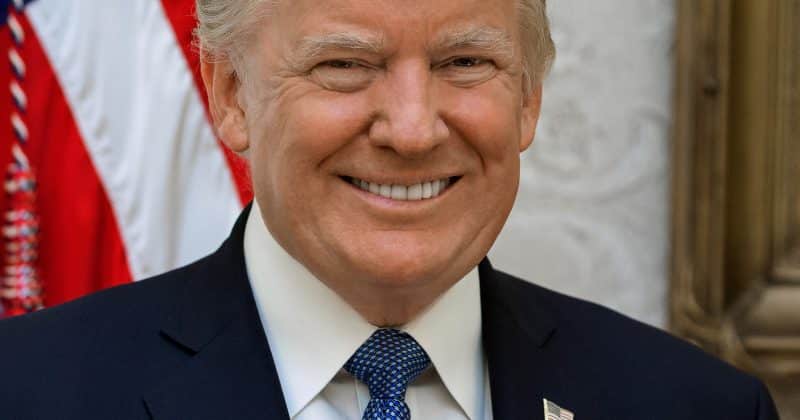
Trump flies to Europe after announcing framework peace deal with Iran
Bitcoin climbed above $65K as geopolitical tensions eased and oil prices fell following the surprise diplomatic breakthrough.
President Donald Trump is heading to Europe after dropping what might be the most consequential foreign policy announcement of his term: a framework agreement with Iran that would de-escalate hostilities and reopen the Strait of Hormuz.
The deal text was agreed upon on June 12, 2026, with an official signing expected by June 19 at a location potentially in Switzerland or elsewhere in Europe. Iranian officials confirmed a memorandum of understanding that includes lifting the US naval blockade of the strait, one of the world’s most critical oil transit chokepoints. Bitcoin responded by pushing above $65,000 as risk appetite returned across global markets.
What’s actually in the deal
The framework agreement is the product of weeks of intense negotiations involving Pakistan, Qatar, and Oman as key regional intermediaries. The core provisions center on reopening the Strait of Hormuz, which had been under US naval blockade, a measure that had choked global oil supply routes and sent energy markets into sustained anxiety.
Details around sanctions relief and nuclear considerations are expected to be finalized after the signing ceremony.
Trump’s announcement coincided with his attendance at the G7 summit in France, giving him a diplomatic stage to showcase the breakthrough to allied leaders.
The path to this moment was anything but smooth. Tensions between the US and Iran escalated sharply in early 2026 following US and Israeli military strikes against Iranian targets. Prior diplomatic discussions had been underway throughout 2025, but the strikes threatened to derail everything.
How markets reacted
The announcement sent immediate ripples through financial markets. Bitcoin climbed above $65,000 as traders priced in reduced geopolitical risk. Oil prices moved in the opposite direction, falling as the prospect of a reopened Strait of Hormuz eased supply concerns. The strait handles roughly a fifth of global oil transit on a normal day.
What this means for crypto investors
Geopolitical risk has been one of the dominant narratives suppressing risk asset prices throughout 2026. The US-Iran confrontation, combined with the naval blockade, created a persistent overhang that kept institutional investors cautious.
Declining oil prices are also worth watching through a crypto lens. Lower energy costs reduce inflationary pressure, which gives central banks more room to maintain accommodative monetary policy or at least avoid tightening further.
The risk, of course, is that the deal falls apart. Framework agreements are not final treaties. The sanctions relief and nuclear provisions still need to be hammered out, and those are exactly the issues that have torpedoed US-Iran negotiations in the past. If the June 19 signing gets delayed or the terms collapse, the market could give back those gains just as quickly as they arrived.