
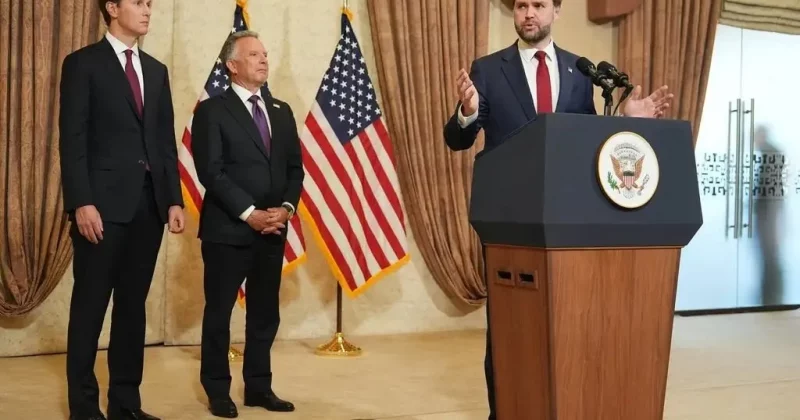
Trump administration and Iran inch toward peace deal as wording disputes linger
A 14-point memorandum of understanding is nearly finalized, but nuclear demands and precise language remain sticking points in high-stakes negotiations.
The Trump administration and Iran are closing in on a peace agreement after months of conflict, with a regional diplomat confirming that Trump’s recent calls with Gulf leaders were positive and showed broad support for progress. The catch: they still can’t agree on the exact words.
At the center of the talks is a one-page, 14-point memorandum of understanding designed to halt hostilities and open a 30-day window for deeper negotiations. Those follow-up discussions would cover the Strait of Hormuz, nuclear restrictions, and sanctions relief.
What’s on the table, and what’s not
Trump has been unambiguous that Iran’s nuclear ambitions are non-negotiable. In recent statements, the president deemed certain Iranian proposals “totally unacceptable,” even as he offered a generally upbeat assessment of the negotiating trajectory.
US envoys Steve Witkoff and Jared Kushner have been leading the American side of these discussions, with Pakistan playing a notable mediating role. The current diplomatic track builds on a Pakistan-brokered truce initiated on April 8, 2026, which has been extended multiple times as both parties worked toward something more permanent.
Trump has paired his optimism with strong warnings that military action would intensify if negotiations collapse. The US has already deployed a naval blockade as part of its pressure campaign.
The sanctions and digital asset dimension
US authorities have been targeting Iran’s use of digital assets to circumvent sanctions, with asset freezes hitting an estimated $7.7B associated with Iranian digital asset networks.
For the crypto market itself, the negotiations have been a source of whiplash. Bitcoin and other digital assets have shown fluctuations tied to the back-and-forth of diplomacy, oil price instability, and the broader uncertainty about whether this ends with a handshake or an escalation.
What this means for crypto investors
The $7.7B in frozen assets connected to Iranian digital networks signals that regulators are willing to go big when national security intersects with crypto. If the deal falls through and enforcement intensifies, liquidity could tighten on certain trading pairs, particularly those with exposure to regions or entities caught in the sanctions web.
The ceasefire negotiations have been extended multiple times already, and each extension has produced its own mini-cycle of market optimism and disappointment. Investors should watch for whether the wording disputes get resolved in days or drag on for weeks, because the longer the ambiguity persists, the more likely it is that intermittent violations of existing agreements erode whatever goodwill remains at the table.