
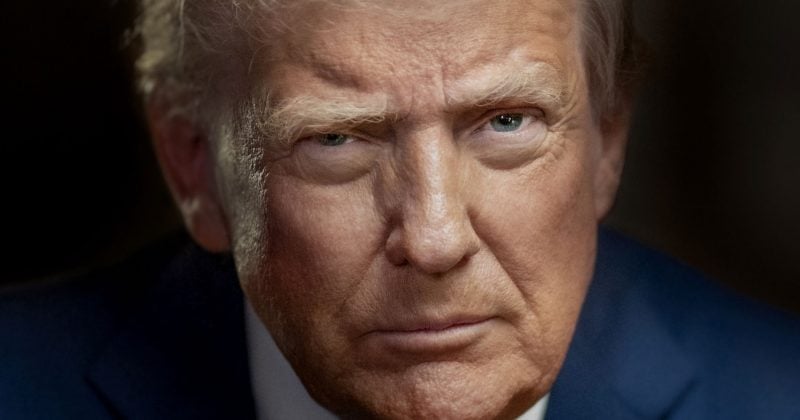
President Trump signs preliminary deal to end Iran war, details unclear
A memorandum of understanding between the US and Iran has triggered a rally in Bitcoin and risk assets as geopolitical tensions appear to ease.
President Trump announced on June 15 that a preliminary memorandum of understanding to end the US-Iran conflict has been signed. The document, electronically signed by Trump, Vice President JD Vance, and Iranian Parliament Speaker Mohammad Bagher Ghalibaf, covers a ceasefire extension, the reopening of the Strait of Hormuz to commercial shipping, and a cessation of hostilities that have spread into Lebanon.
Trump called the MoU “complete” and said the Strait of Hormuz would begin partially reopening immediately. A formal signing ceremony is scheduled for Friday in Switzerland, where Vance is expected to attend.
Bitcoin and other major digital assets rallied on the news, with investors interpreting the agreement as a meaningful reduction in geopolitical risk.
What’s actually in the deal
The core details of the agreement remain undisclosed. What we do know is that the MoU builds on a 60-day deadline Trump set in 2025, which came and went without resolution. The new framework establishes another 60-day ceasefire window intended for continued negotiations on Iran’s nuclear program and potential sanctions relief.
That sanctions relief component is the headline number: up to $25 billion in frozen Iranian assets could be released as part of a broader deal.
Iranian officials have confirmed the framework exists but are being careful to emphasize what it isn’t. The Iranian parliament has acknowledged the MoU while underscoring that it does not constitute a conclusive peace agreement.
The news moving money, markets, and the world—before your day starts.
Daily. Free. Join 34,000+ readers across crypto, finance, and policy.
The negotiations intensified following Israeli military strikes after earlier diplomatic deadlines had expired.
The geopolitical backdrop
The timing of this announcement is not accidental. It arrives just ahead of the G7 summit in Europe, giving Trump a diplomatic win to carry into meetings with allied leaders.
The Strait of Hormuz, through which roughly a fifth of the world’s oil supply passes, became a flashpoint when hostilities disrupted commercial traffic.
What this means for crypto investors
Oil price volatility has been another transmission mechanism. When the Strait of Hormuz was effectively closed to commercial shipping, energy prices spiked, inflation expectations shifted, and central bank rate expectations adjusted. A reopened Strait means calmer oil markets, which means less pressure on the macro variables that drive crypto pricing.
The potential release of $25 billion in frozen Iranian assets introduces another variable worth watching. That kind of liquidity injection into the global economy, even if it flows primarily through Iranian channels, can have second-order effects on commodity markets and currency flows that eventually touch digital assets.
Iranian officials have been explicit that the MoU does not address the nuclear question. A 60-day ceasefire window is better than active conflict, but it’s also a ticking clock. If nuclear talks stall, the entire framework could collapse, and the market gains built on diplomatic optimism would unwind quickly.
Investors should also consider the Switzerland ceremony on Friday as a potential catalyst in either direction. A smooth signing with both sides projecting confidence would likely extend the rally. Any last-minute complications, renegotiations, or conspicuous absences from the ceremony could reverse sentiment just as fast.