
Trump says Iran settlement will open Strait of Hormuz, signaling relief for oil and crypto markets
The peace deal could reopen a waterway responsible for roughly 20% of global oil trade, with broad implications for risk assets including Bitcoin
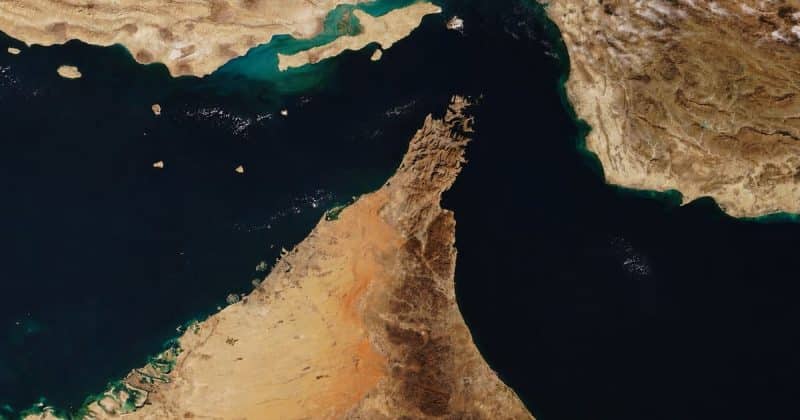
President Donald Trump announced on June 11 that a settlement with Iran would lead to the immediate reopening of the Strait of Hormuz, the narrow passage between the Persian Gulf and the open ocean that serves as the single most important chokepoint for global energy. The waterway has been effectively closed since the US-Iran conflict began on February 28, 2026, strangling roughly 20% of the world’s oil trade for over three months.
The formal signing is expected within days, possibly over the weekend at a European venue. Vice President JD Vance may attend the ceremony, a signal that the White House views this as a defining foreign policy moment.
What the deal actually means
The conflict that triggered the closure started in late February, and in the months since, the US pursued a multi-pronged strategy. That included a naval blockade of the strait and an initiative called “Project Freedom” that provided armed escorts for commercial vessels. Iran, for its part, had at one point imposed tolls on ships transiting the waterway, an assertion of territorial leverage that added friction to already tense maritime logistics.
Negotiations leading to this point were indirect and sprawling. Previous rounds of talks covered a 60-day ceasefire proposal, Iranian mine clearance from the strait, US sanctions relief on oil sales, and nuclear discussions. None of those earlier efforts produced a breakthrough. This one, apparently, did.
The news moving money, markets, and the world—before your day starts.
Daily. Free. Join 34,000+ readers across crypto, finance, and policy.
How crypto markets have responded to the conflict
Bitcoin showed notable price appreciation in late May as peace signals first emerged. When the naval blockade escalated in April, crypto markets absorbed a burst of volatility. Bitcoin and other major digital assets sold off as traders priced in heightened geopolitical risk, only to recover as de-escalation talk picked up.
What this means for investors
But there are risks worth watching. Settlement announcements and actual signed agreements are different things. Negotiations with Iran have collapsed before, and the gap between a presidential statement and a finalized treaty can be wide. Traders who front-run the deal face the possibility of a reversal if talks stall at the last stage.
There’s also the question of how quickly oil markets actually normalize. Even after a formal signing, physical reopening of the strait requires mine clearance, insurance reassessments for commercial vessels, and the rebuilding of trust among shipping companies that have spent months avoiding the area.