
 Earn with Nexo
Trump says Strait of Hormuz will open immediately under Iran deal, with Bitcoin playing an unexpected role
The waterway responsible for roughly a quarter of global oil shipments is at the center of a geopolitical deal that has quietly become a crypto story too.
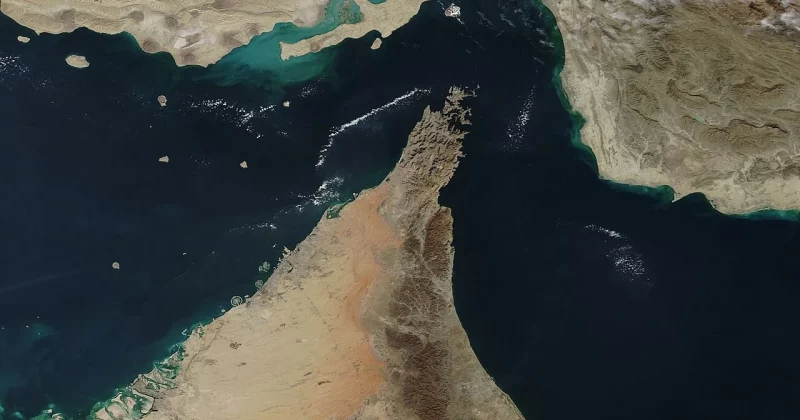
President Donald Trump announced that the Strait of Hormuz would open immediately under a deal being negotiated with Iran, with no single country controlling the critical waterway. The statement, made on May 23-24, puts a spotlight on one of the most consequential chokepoints in global energy markets.
Here’s why crypto traders should care: reports indicate that Iran has been requiring Bitcoin payments for transit tolls through the strait since April 2026. A geopolitical standoff over oil shipments just became a real-world stress test for cryptocurrency as a medium of international trade.
What the deal actually involves
Trump described the arrangement as “largely negotiated.” The proposed terms include a 60-day ceasefire that could be extended, lifting of the US blockade on Iranian ports, permission for Iran to resume oil exports, and a requirement for demining the strait.
Iran’s Foreign Minister confirmed that the strait is “completely open” for commercial vessels as of mid-May 2026. That said, US officials have added a significant caveat: full reopening depends on progress in nuclear negotiations.
The Strait of Hormuz handles approximately 20-25% of all oil transported globally. The disruptions that led to this moment were caused by Iranian military actions, which triggered a blockade affecting energy flow through the region. Weeks of behind-the-scenes discussions preceded Trump’s public announcement.
The Bitcoin angle nobody expected
Iran has reportedly been charging transit tolls for vessels passing through the strait, demanding payment in Bitcoin or Chinese yuan. The reason is straightforward: sanctions make dollar-denominated transactions nearly impossible for Tehran. This practice has reportedly been in place since April 2026, continuing even as ceasefire discussions unfolded.
What this means for investors
The 60-day ceasefire window is the number to watch. That timeline creates a defined period of uncertainty. If nuclear talks make progress, the deal solidifies and oil markets stabilize. If they don’t, the strait could face renewed disruptions.
If Bitcoin is being openly used to circumvent US sanctions, that invites scrutiny from the Treasury Department and potentially new compliance requirements for exchanges handling flows connected to Iranian transactions. Traders should be watching for any signals from OFAC or FinCEN in the coming weeks.
Iran’s willingness to accept Chinese yuan alongside Bitcoin suggests that digital currencies are competing with traditional fiat alternatives in this context.