
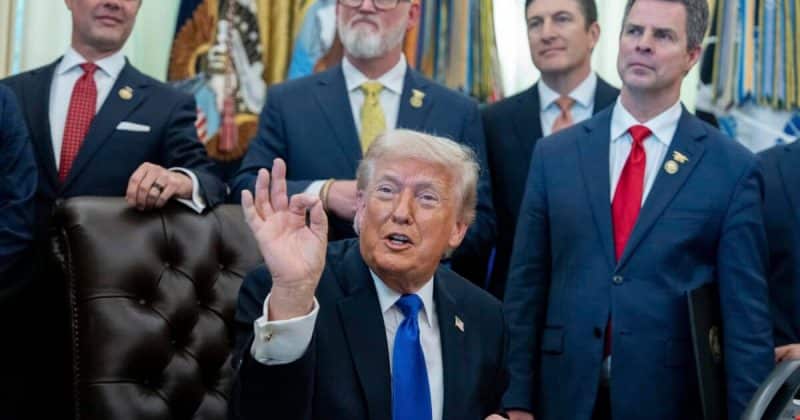
Trump briefed on full-scale war plans against Iran, opts for negotiations instead
The president chose diplomacy over military escalation, signing the Islamabad Memorandum and sending Bitcoin prices higher in the process
President Donald Trump sat through detailed military briefings from US Central Command and Defense Secretary Pete Hegseth outlining options for a full-scale conflict with Iran. He chose the other door.
Instead of greenlighting escalation, Trump pushed for a diplomatic resolution that culminated in the Islamabad Memorandum, signed around June 17, 2026. The agreement extends ceasefires between the US and Iran and establishes a framework for nuclear inspections.
What the war plans actually looked like
The briefings Trump received weren’t hypothetical sketches on a napkin. CENTCOM presented operational military options amid an already active campaign, including Operation “Epic Fury,” which was underway as tensions peaked in mid-2026.
The core objectives were twofold: reopen the Strait of Hormuz, one of the world’s most critical chokepoints for global oil shipments, and curb Iran’s nuclear ambitions.
Even as Trump opted for diplomacy, the US maintained full readiness to escalate operations should talks collapse. Strikes and threats continued even while negotiators were meeting in Doha and other locations.
Macro, rates, and crypto—what moved markets and what matters next.
Daily. Free. Join 34,000+ readers across crypto, finance, and policy.
The resulting Islamabad Memorandum sets a 60-day timeframe for key milestones, including ceasefire extensions and the establishment of nuclear inspection protocols.
The $1 billion squeeze and crypto’s role
Alongside negotiations, US authorities conducted asset seizures totaling approximately $1 billion associated with Iranian entities. These seizures, reported as of May 30, 2026, targeted crypto assets specifically, underscoring how deeply digital currencies have become embedded in the infrastructure of international finance and sanctions enforcement.
What this means for crypto markets and investors
Bitcoin prices rebounded significantly in June 2026 as news of de-escalation and upcoming negotiations filtered through markets.
The $1 billion in Iranian crypto seizures adds another layer of complexity. Increased government scrutiny of crypto flows tied to sanctioned entities could lead to tighter compliance requirements across exchanges, particularly those handling large cross-border transactions.