
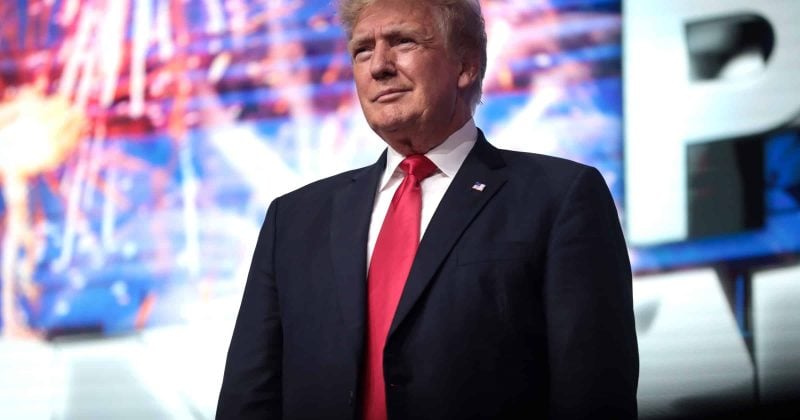
Trump launches airstrikes on Iran amid rising regional tensions

https://es.wikipedia.org/wiki/Donald_Trump

Trump launches airstrikes on Iran amid rising regional tensions

US invasion of Iran

President Trump has launched airstrikes into Iran, escalating tensions in the region, but stated he does not wish to return to war. The conflict, which reignited after Iran attacked commercial tankers in the Strait of Hormuz, presents significant challenges for NATO allies and global stability. The breakdown of a ceasefire agreement has resulted in retaliatory actions from both the US and Iran, with the potential for further military escalation. Current market activity suggests an increased likelihood of a US invasion of Iran before 2027, as tensions continue to rise.

Advertisement

Key Takeaways

  • Market pricing suggests an increased likelihood of a US invasion of Iran before 2027, now at 14.5% YES.
  • The recent airstrikes and retaliatory actions by Iran appear consistent with scenarios supportive of increased military conflict.
  • President Trump’s statements and actions indicate a precarious balance between military engagement and diplomatic restraint.

What to Watch

Watch for any developments in US-Iran diplomatic talks or changes in military posturing by the US and its allies. Indicators such as US troop movements, statements from the Pentagon, or further actions by Iran could shift market pricing. The situation remains fluid, with potential impacts on global oil markets and NATO’s strategic positioning in the region.

Get prediction market intelligence as a structured API feed. Early access waitlist.

Disclosure: This article was edited by Estefano Gomez. For more information on how we create and review content, see our Editorial Policy.

Trump launches airstrikes on Iran amid rising regional tensions

Trump launches airstrikes on Iran amid rising regional tensions

US invasion of Iran

https://es.wikipedia.org/wiki/Donald_Trump

President Trump has launched airstrikes into Iran, escalating tensions in the region, but stated he does not wish to return to war. The conflict, which reignited after Iran attacked commercial tankers in the Strait of Hormuz, presents significant challenges for NATO allies and global stability. The breakdown of a ceasefire agreement has resulted in retaliatory actions from both the US and Iran, with the potential for further military escalation. Current market activity suggests an increased likelihood of a US invasion of Iran before 2027, as tensions continue to rise.

Advertisement

Key Takeaways

  • Market pricing suggests an increased likelihood of a US invasion of Iran before 2027, now at 14.5% YES.
  • The recent airstrikes and retaliatory actions by Iran appear consistent with scenarios supportive of increased military conflict.
  • President Trump’s statements and actions indicate a precarious balance between military engagement and diplomatic restraint.

What to Watch

Watch for any developments in US-Iran diplomatic talks or changes in military posturing by the US and its allies. Indicators such as US troop movements, statements from the Pentagon, or further actions by Iran could shift market pricing. The situation remains fluid, with potential impacts on global oil markets and NATO’s strategic positioning in the region.

Get prediction market intelligence as a structured API feed. Early access waitlist.

Disclosure: This article was edited by Estefano Gomez. For more information on how we create and review content, see our Editorial Policy.