
Nexo Earn with Nexo
Trump leans toward military strike on Iran, offers negotiation window

Trump leans toward military strike on Iran, offers negotiation window

The US president has reportedly approved plans for a major attack on Iran but is holding off at the request of Gulf leaders pushing for a diplomatic resolution.

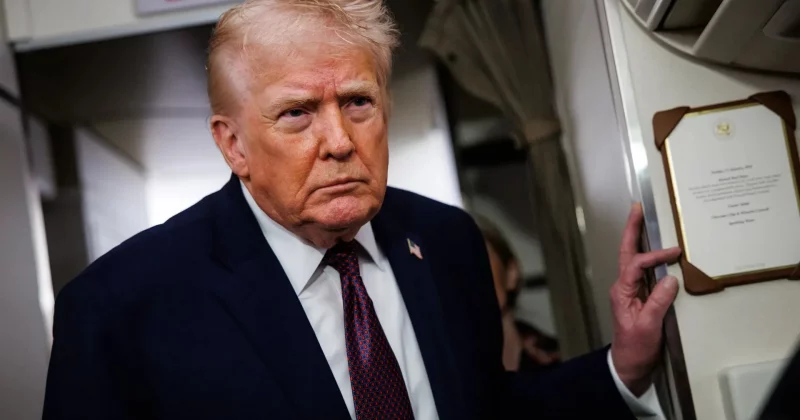
Donald Trump has reportedly greenlit plans for a large-scale military strike on Iran, but is pausing execution to allow Gulf state intermediaries a narrow window to pursue negotiations. The decision sits at the intersection of brinkmanship and diplomacy, a combination that has defined the US-Iran relationship for decades, and one that crypto markets tend to react to with predictable nervousness.

Israeli sources indicate Trump is weighing a substantial military response should talks collapse. US Central Command (CENTCOM) has been providing the president with regular briefings and updates, and American forces are reportedly positioned for a full-scale assault if the diplomatic track goes nowhere.

A 14-point plan and a ticking clock

Iran, for its part, is not simply waiting around. Tehran has proposed a 14-point plan that includes a one-month deadline to negotiate the reopening of the Strait of Hormuz and an end to the US naval blockade. That’s an ambitious ask, and the timeline is razor-thin.

The Strait of Hormuz is one of the most strategically important chokepoints on the planet. Roughly a fifth of the world’s oil supply passes through it on any given day. When tensions flare around that waterway, global energy markets flinch, and everything downstream, including risk assets like crypto, tends to follow.

Gulf leaders have specifically requested a short pause before any military action, pushing Trump to let negotiations play out before missiles fly. Trump appears to have agreed, at least temporarily. But the emphasis here is on “temporarily.” The posture is clear: diplomacy gets a chance, but the military option is not just on the table. It’s loaded and aimed.

This dynamic, approve the strike plan first, then offer to talk, is a negotiation tactic straight out of the coercive diplomacy playbook. You don’t hand someone an olive branch while hiding the sword. You show them the sword, then offer the branch.

Advertisement

The broader context: brinkmanship on repeat

None of this is happening in a vacuum. The 2025-2026 US-Iran standoff has followed a familiar pattern: missed deadlines, intermittent military actions, brief ceasefires, and then back to the negotiating table with slightly different terms. It’s a cycle that observers of the region have seen before, and one that has yet to produce a durable resolution.

Iran’s nuclear ambitions remain the core issue. Washington’s position has consistently been that Tehran cannot be allowed to develop nuclear weapons capability. Iran insists its nuclear program is peaceful. Neither side has budged meaningfully on this point in years, and the current round of tensions is layered on top of that unresolved foundation.

Regional activities by Iran-backed groups add another dimension. Proxy conflicts across the Middle East have kept US military planners busy and have given hawks in Washington additional ammunition for advocating a more aggressive posture. The internal debate within the administration reportedly centers not on whether to strike, but on when and at what scale.

That distinction matters. It suggests the policy conversation has already moved past the “should we” phase and into the “how and when” phase, with diplomacy serving as a last off-ramp before escalation.

What this means for crypto investors

Here’s the thing about geopolitical escalations and crypto: the relationship is messy, but it’s real.

Historically, crypto markets have experienced short-term volatility following major escalations in the Middle East. Bitcoin in particular has played a dual role during these episodes, acting as both a risk asset that sells off alongside equities and a partial safe haven that attracts capital fleeing traditional markets. Which role it plays in any given crisis depends on the severity of the escalation, the speed of the news cycle, and broader market positioning at the time.

A full-scale US military strike on Iran would be an order of magnitude more significant than the proxy skirmishes and targeted actions that markets have absorbed in recent years. It would likely trigger immediate volatility across every asset class, crypto included. Oil prices would spike, the dollar would move, and traders would scramble to reprice risk across the board.

The negotiation window, however brief, is the variable worth watching. If Gulf intermediaries can extract meaningful concessions from Tehran, or even just extend the timeline, markets get breathing room. If talks collapse and the strike goes forward, the initial shock could be severe, even if Bitcoin eventually finds its footing as a hedge against geopolitical uncertainty.

For investors holding crypto positions, the playbook during these moments is straightforward but uncomfortable: manage risk, avoid leverage during peak uncertainty, and resist the urge to make directional bets on headlines that can change by the hour. The fog of war is not a trading strategy.

One thing is worth noting about the current setup. Markets have had time to see this coming. The troop positioning, the CENTCOM briefings, the Gulf state mediation efforts: none of this broke overnight. That means some of the risk is likely already priced in, at least partially. The real volatility trigger would be a surprise, either a sudden strike with no warning or a dramatic diplomatic breakthrough that no one expected.

Neither outcome is off the table. And that uncertainty, more than any specific headline, is what makes the next few weeks worth paying very close attention to.

Disclosure: This article was edited by Editorial Team. For more information on how we create and review content, see our Editorial Policy.

Trump leans toward military strike on Iran, offers negotiation window

Trump leans toward military strike on Iran, offers negotiation window

The US president has reportedly approved plans for a major attack on Iran but is holding off at the request of Gulf leaders pushing for a diplomatic resolution.

Donald Trump has reportedly greenlit plans for a large-scale military strike on Iran, but is pausing execution to allow Gulf state intermediaries a narrow window to pursue negotiations. The decision sits at the intersection of brinkmanship and diplomacy, a combination that has defined the US-Iran relationship for decades, and one that crypto markets tend to react to with predictable nervousness.

Israeli sources indicate Trump is weighing a substantial military response should talks collapse. US Central Command (CENTCOM) has been providing the president with regular briefings and updates, and American forces are reportedly positioned for a full-scale assault if the diplomatic track goes nowhere.

A 14-point plan and a ticking clock

Iran, for its part, is not simply waiting around. Tehran has proposed a 14-point plan that includes a one-month deadline to negotiate the reopening of the Strait of Hormuz and an end to the US naval blockade. That’s an ambitious ask, and the timeline is razor-thin.

The Strait of Hormuz is one of the most strategically important chokepoints on the planet. Roughly a fifth of the world’s oil supply passes through it on any given day. When tensions flare around that waterway, global energy markets flinch, and everything downstream, including risk assets like crypto, tends to follow.

Gulf leaders have specifically requested a short pause before any military action, pushing Trump to let negotiations play out before missiles fly. Trump appears to have agreed, at least temporarily. But the emphasis here is on “temporarily.” The posture is clear: diplomacy gets a chance, but the military option is not just on the table. It’s loaded and aimed.

This dynamic, approve the strike plan first, then offer to talk, is a negotiation tactic straight out of the coercive diplomacy playbook. You don’t hand someone an olive branch while hiding the sword. You show them the sword, then offer the branch.

Advertisement

The broader context: brinkmanship on repeat

None of this is happening in a vacuum. The 2025-2026 US-Iran standoff has followed a familiar pattern: missed deadlines, intermittent military actions, brief ceasefires, and then back to the negotiating table with slightly different terms. It’s a cycle that observers of the region have seen before, and one that has yet to produce a durable resolution.

Iran’s nuclear ambitions remain the core issue. Washington’s position has consistently been that Tehran cannot be allowed to develop nuclear weapons capability. Iran insists its nuclear program is peaceful. Neither side has budged meaningfully on this point in years, and the current round of tensions is layered on top of that unresolved foundation.

Regional activities by Iran-backed groups add another dimension. Proxy conflicts across the Middle East have kept US military planners busy and have given hawks in Washington additional ammunition for advocating a more aggressive posture. The internal debate within the administration reportedly centers not on whether to strike, but on when and at what scale.

That distinction matters. It suggests the policy conversation has already moved past the “should we” phase and into the “how and when” phase, with diplomacy serving as a last off-ramp before escalation.

What this means for crypto investors

Here’s the thing about geopolitical escalations and crypto: the relationship is messy, but it’s real.

Historically, crypto markets have experienced short-term volatility following major escalations in the Middle East. Bitcoin in particular has played a dual role during these episodes, acting as both a risk asset that sells off alongside equities and a partial safe haven that attracts capital fleeing traditional markets. Which role it plays in any given crisis depends on the severity of the escalation, the speed of the news cycle, and broader market positioning at the time.

A full-scale US military strike on Iran would be an order of magnitude more significant than the proxy skirmishes and targeted actions that markets have absorbed in recent years. It would likely trigger immediate volatility across every asset class, crypto included. Oil prices would spike, the dollar would move, and traders would scramble to reprice risk across the board.

The negotiation window, however brief, is the variable worth watching. If Gulf intermediaries can extract meaningful concessions from Tehran, or even just extend the timeline, markets get breathing room. If talks collapse and the strike goes forward, the initial shock could be severe, even if Bitcoin eventually finds its footing as a hedge against geopolitical uncertainty.

For investors holding crypto positions, the playbook during these moments is straightforward but uncomfortable: manage risk, avoid leverage during peak uncertainty, and resist the urge to make directional bets on headlines that can change by the hour. The fog of war is not a trading strategy.

One thing is worth noting about the current setup. Markets have had time to see this coming. The troop positioning, the CENTCOM briefings, the Gulf state mediation efforts: none of this broke overnight. That means some of the risk is likely already priced in, at least partially. The real volatility trigger would be a surprise, either a sudden strike with no warning or a dramatic diplomatic breakthrough that no one expected.

Neither outcome is off the table. And that uncertainty, more than any specific headline, is what makes the next few weeks worth paying very close attention to.

Disclosure: This article was edited by Editorial Team. For more information on how we create and review content, see our Editorial Policy.