
 Earn with Nexo
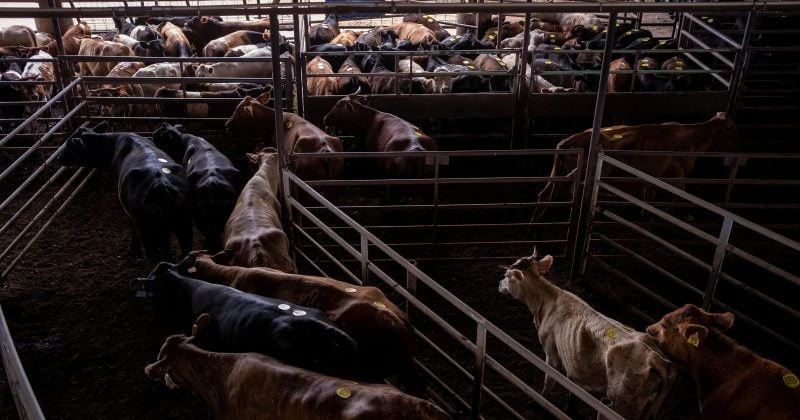
Trump postpones beef tariff cuts amid concerns from US cattle farmers
The president shelved a planned 200-day tariff suspension on imported beef after ranchers and Republican lawmakers pushed back hard.
President Trump reversed course on a plan to lower beef import tariffs, bowing to pressure from US cattle ranchers and allied Republican lawmakers who argued the move would devastate an already struggling domestic industry.
The decision, announced on May 11, scraps what had been a proposed 200-day suspension of tariffs on imported beef.
A herd at historic lows
The US cattle herd has shrunk to its smallest size in 75 years. American ranchers are running fewer head of cattle than at any point since the early 1950s, a period when the country’s population was roughly half what it is today.
Against that backdrop, the Trump administration initially floated the idea of temporarily suspending beef import tariffs. The logic was straightforward: bring in cheaper foreign beef to ease consumer prices.
Ranchers saw it differently. From their perspective, flooding the market with cheaper imports while the domestic herd is at generational lows would be the equivalent of kicking someone while they’re down.
Political calculus meets the feedlot
The opposition wasn’t just coming from industry groups. Republican lawmakers, many representing rural districts where cattle ranching is the economic backbone, made their displeasure known.
The shelved plan had called for a roughly 200-day suspension of tariffs on beef imports.
What this means for markets and investors
For commodity traders, the postponement removes a near-term source of downward pressure on domestic beef prices. Live cattle futures had been trading with some uncertainty baked in around the tariff question. That uncertainty is now resolved, at least temporarily, in favor of the status quo.