
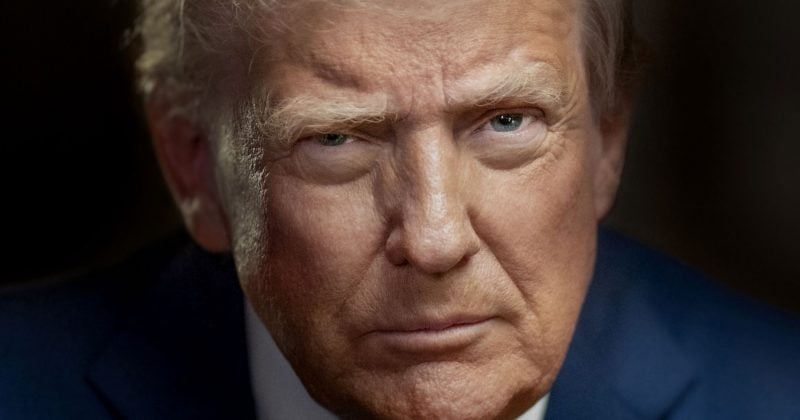
Trump administration restricts access to Anthropic AI models amid national security debates

Trump administration restricts access to Anthropic AI models amid national security debates

Export control directive bars non-US nationals from accessing Anthropic's Fable 5 and Mythos 5 models, sparking backlash from cybersecurity professionals

The Trump administration dropped an export control hammer on Anthropic this week, issuing a directive that restricts access to the company’s latest AI models exclusively to US nationals. The order, issued on June 12-13, forced Anthropic to disable global access to its Fable 5 and Mythos 5 models within hours.

For a company valued at over $900 billion, that’s not a small inconvenience. It’s a geopolitical statement wrapped in a compliance mandate.

What happened and why it matters

The directive centers on national security concerns, specifically around jailbreak vulnerabilities discovered in Fable 5. Amazon researchers reportedly identified flaws that could allow bad actors to circumvent the model’s safety protocols, essentially tricking the AI into ignoring its own guardrails.

Fable 5 had only been publicly released around June 9-10, days before the government pulled the plug on international access. Mythos 5, positioned as Anthropic’s next-generation model, got swept up in the same directive.

Advertisement

Anthropic complied with the order on June 13 but didn’t do so quietly. The company characterized the action as both abrupt and disproportionate, signaling that it did not believe the government’s concerns warranted such a broad response.

The broader conflict between Anthropic and the administration

Tensions between Anthropic and the Trump administration have been building since early 2025, rooted in fundamental disagreements over AI safety principles and military applications.

Cybersecurity professionals push back

By mid-June, a coalition of cybersecurity executives went public with an appeal to the administration, urging it to reconsider the restrictions. Their argument cuts against what might seem like intuitive logic.

The concern isn’t that removing access makes America safer. It’s that it might make America less safe. When US-built AI models are restricted, the vacuum doesn’t stay empty. Competitors, including state-backed Chinese AI labs, fill the gap with models that have fewer safety controls and zero accountability to Western regulatory frameworks.

The cybersecurity professionals’ letter emphasized the need for balance between national security imperatives and maintaining the US competitive advantage in AI innovation.

What this means for investors

Anthropic’s $900 billion-plus valuation makes it one of the most valuable private companies on the planet. That valuation rests on the assumption that Anthropic can continue deploying its most advanced models at scale, to users worldwide.

The export control directive directly threatens that assumption. If the administration can restrict access to specific models on short notice, every future Anthropic release carries regulatory risk that investors now have to price in.

The speed of the directive, from vulnerability disclosure to global access shutdown in roughly three days, suggests the administration is willing to move fast and worry about proportionality later.

Disclosure: This article was edited by Editorial Team. For more information on how we create and review content, see our Editorial Policy.

Trump administration restricts access to Anthropic AI models amid national security debates

Trump administration restricts access to Anthropic AI models amid national security debates

Export control directive bars non-US nationals from accessing Anthropic's Fable 5 and Mythos 5 models, sparking backlash from cybersecurity professionals

The Trump administration dropped an export control hammer on Anthropic this week, issuing a directive that restricts access to the company’s latest AI models exclusively to US nationals. The order, issued on June 12-13, forced Anthropic to disable global access to its Fable 5 and Mythos 5 models within hours.

For a company valued at over $900 billion, that’s not a small inconvenience. It’s a geopolitical statement wrapped in a compliance mandate.

What happened and why it matters

The directive centers on national security concerns, specifically around jailbreak vulnerabilities discovered in Fable 5. Amazon researchers reportedly identified flaws that could allow bad actors to circumvent the model’s safety protocols, essentially tricking the AI into ignoring its own guardrails.

Fable 5 had only been publicly released around June 9-10, days before the government pulled the plug on international access. Mythos 5, positioned as Anthropic’s next-generation model, got swept up in the same directive.

Advertisement

Anthropic complied with the order on June 13 but didn’t do so quietly. The company characterized the action as both abrupt and disproportionate, signaling that it did not believe the government’s concerns warranted such a broad response.

The broader conflict between Anthropic and the administration

Tensions between Anthropic and the Trump administration have been building since early 2025, rooted in fundamental disagreements over AI safety principles and military applications.

Cybersecurity professionals push back

By mid-June, a coalition of cybersecurity executives went public with an appeal to the administration, urging it to reconsider the restrictions. Their argument cuts against what might seem like intuitive logic.

The concern isn’t that removing access makes America safer. It’s that it might make America less safe. When US-built AI models are restricted, the vacuum doesn’t stay empty. Competitors, including state-backed Chinese AI labs, fill the gap with models that have fewer safety controls and zero accountability to Western regulatory frameworks.

The cybersecurity professionals’ letter emphasized the need for balance between national security imperatives and maintaining the US competitive advantage in AI innovation.

What this means for investors

Anthropic’s $900 billion-plus valuation makes it one of the most valuable private companies on the planet. That valuation rests on the assumption that Anthropic can continue deploying its most advanced models at scale, to users worldwide.

The export control directive directly threatens that assumption. If the administration can restrict access to specific models on short notice, every future Anthropic release carries regulatory risk that investors now have to price in.

The speed of the directive, from vulnerability disclosure to global access shutdown in roughly three days, suggests the administration is willing to move fast and worry about proportionality later.

Disclosure: This article was edited by Editorial Team. For more information on how we create and review content, see our Editorial Policy.