
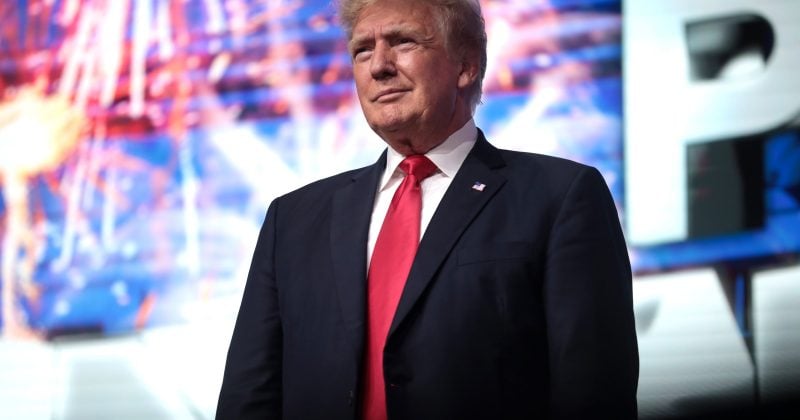
Trump retreats on Hormuz tolls, signaling potential US-Iran de-escalation

https://es.wikipedia.org/wiki/Donald_Trump

Trump retreats on Hormuz tolls, signaling potential US-Iran de-escalation

US invasion of Iran

President Donald Trump has announced a retreat on imposing tolls for non-Iranian cargo passing through the Strait of Hormuz, a key strategic waterway that has become a focal point in the ongoing conflict with Iran. This decision comes amidst challenges in securing a lasting peace agreement to conclude the Iran War, which has seen tensions flare over issues related to the control and access of the strait. Trump’s initial proposal for a 20% toll faced strong opposition from within his administration, including Secretary of State Marco Rubio, and from international stakeholders who deemed the fees unacceptable.

Advertisement

The retreat on tolls is perceived by market participants as indicative of a potential de-escalation in U.S.-Iran tensions. This development may reduce the perceived likelihood of a U.S. invasion of Iran, as the diplomatic focus shifts towards negotiation rather than military confrontation. Concurrently, the decision not to pursue toll charges aligns with expectations that the U.S. will avoid further exacerbating the conflict by imposing economic barriers in the region.

Key Takeaways

  • Trump’s decision to retreat on Hormuz tolls suggests a shift towards de-escalation in the U.S.-Iran conflict, impacting perceptions of military engagement.
  • The move is consistent with scenarios where the U.S. does not impose fees for passage through the Strait of Hormuz, supportive of a NO outcome in related markets.
  • Market pricing implies a reduced probability of a U.S. invasion of Iran, with odds reflecting a lower likelihood of aggressive military action.

What to Watch

Watch for further diplomatic efforts by the U.S. and Iran to resolve the conflict, as any successful negotiations could lead to a more stable situation in the region. Key indicators include statements from Secretary of State Marco Rubio or President Trump indicating further de-escalation or renewed diplomatic initiatives. Additionally, observe any military activity in the Strait of Hormuz that could contradict current de-escalation trends, as this would potentially shift market expectations again.

Get live prediction-market analysis, powered by Vera. Sign up for Vera.

Disclosure: This article was edited by Estefano Gomez. For more information on how we create and review content, see our Editorial Policy.

Trump retreats on Hormuz tolls, signaling potential US-Iran de-escalation

Trump retreats on Hormuz tolls, signaling potential US-Iran de-escalation

US invasion of Iran

https://es.wikipedia.org/wiki/Donald_Trump

President Donald Trump has announced a retreat on imposing tolls for non-Iranian cargo passing through the Strait of Hormuz, a key strategic waterway that has become a focal point in the ongoing conflict with Iran. This decision comes amidst challenges in securing a lasting peace agreement to conclude the Iran War, which has seen tensions flare over issues related to the control and access of the strait. Trump’s initial proposal for a 20% toll faced strong opposition from within his administration, including Secretary of State Marco Rubio, and from international stakeholders who deemed the fees unacceptable.

Advertisement

The retreat on tolls is perceived by market participants as indicative of a potential de-escalation in U.S.-Iran tensions. This development may reduce the perceived likelihood of a U.S. invasion of Iran, as the diplomatic focus shifts towards negotiation rather than military confrontation. Concurrently, the decision not to pursue toll charges aligns with expectations that the U.S. will avoid further exacerbating the conflict by imposing economic barriers in the region.

Key Takeaways

  • Trump’s decision to retreat on Hormuz tolls suggests a shift towards de-escalation in the U.S.-Iran conflict, impacting perceptions of military engagement.
  • The move is consistent with scenarios where the U.S. does not impose fees for passage through the Strait of Hormuz, supportive of a NO outcome in related markets.
  • Market pricing implies a reduced probability of a U.S. invasion of Iran, with odds reflecting a lower likelihood of aggressive military action.

What to Watch

Watch for further diplomatic efforts by the U.S. and Iran to resolve the conflict, as any successful negotiations could lead to a more stable situation in the region. Key indicators include statements from Secretary of State Marco Rubio or President Trump indicating further de-escalation or renewed diplomatic initiatives. Additionally, observe any military activity in the Strait of Hormuz that could contradict current de-escalation trends, as this would potentially shift market expectations again.

Get live prediction-market analysis, powered by Vera. Sign up for Vera.

Disclosure: This article was edited by Estefano Gomez. For more information on how we create and review content, see our Editorial Policy.