
Trump reverses Hormuz toll plan in 26 hours as Iran conflict strategy unravels
The proposed 20% levy on strait cargo threatened global oil markets and drew immediate pushback from international maritime authorities
President Trump floated a 20% toll on all cargo passing through the Strait of Hormuz on July 13. By the next evening, roughly 26 hours later, the idea was dead.
The toll was pitched as a way to make other countries pay for US naval protection in one of the world’s most critical shipping lanes. Middle Eastern leaders apparently had thoughts about that, and those thoughts were persuasive enough to kill the plan before the ink dried.
Why the strait matters more than almost anything
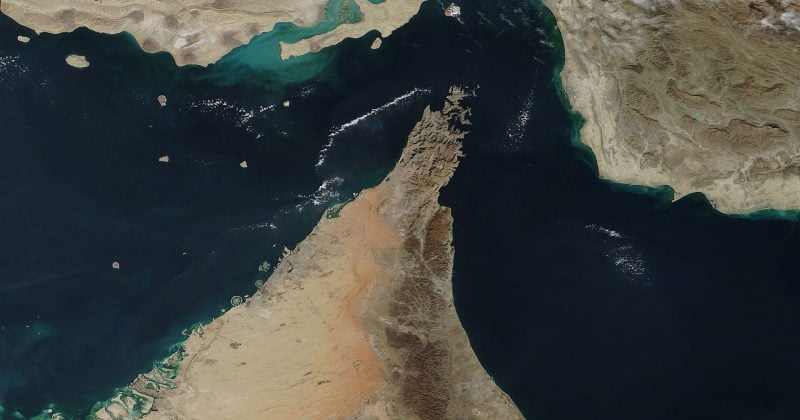
The Strait of Hormuz is the narrow chokepoint between the Persian Gulf and the Gulf of Oman. When someone even whispers about disrupting traffic through it, energy traders start sweating.
The International Maritime Organization, the UN agency responsible for shipping regulations, stated explicitly that there is no legal basis for imposing mandatory tolls on transit through the strait. International maritime law generally protects the right of transit passage through straits used for international navigation.
Experts warned that the proposed levy could trigger significant disruptions in global oil supply.
Macro, rates, and crypto—what moved markets and what matters next.
Daily. Free. Join 34,000+ readers across crypto, finance, and policy.
The military backdrop makes everything harder
The toll proposal landed during the third night of reported US strikes against Iranian targets, with a fresh naval blockade reimposed on Iranian ports.
Saudi Arabia, the UAE, Qatar, and other Gulf states depend on unimpeded strait traffic for their own oil exports. A US-imposed toll would have hurt American allies as much as, if not more than, Iran itself.
What this means for markets and crypto
Any hint of Hormuz disruption sends crude prices climbing, and the toll proposal, brief as it was, injected unnecessary volatility into an already unstable energy market.
Earlier in 2026, reports surfaced about Iran’s potential willingness to accept cryptocurrency payments, including Bitcoin and Tether, as part of transit fee discussions during ceasefire negotiations. Those conversations have taken a back seat to the more immediate military and diplomatic chaos.
Iran faces extensive sanctions that limit its access to traditional payment rails. Cryptocurrencies offer an alternative channel for conducting international transactions outside the conventional banking system.