
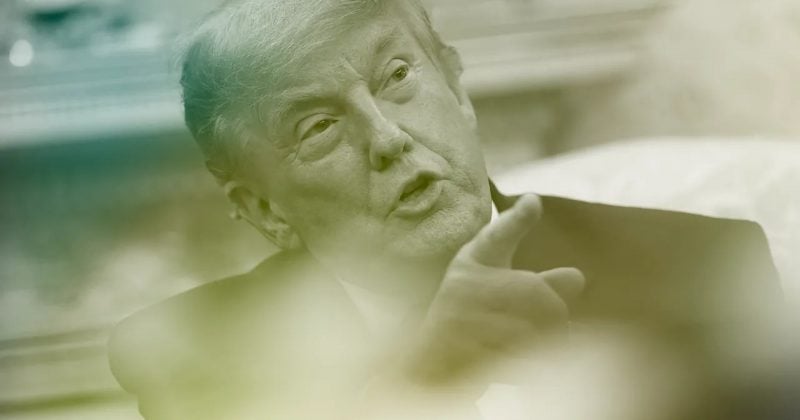
Trump and Sanders push for US sovereign wealth fund, but can’t agree on the blueprint
The president wants equity stakes in AI companies while the senator proposes a $7 trillion fund built on taxing them, and the divergence matters for markets
Here’s something you don’t see every day: Donald Trump and Bernie Sanders agreeing on anything. Yet both have now put their weight behind creating a US sovereign wealth fund, joining a club that includes Norway, Saudi Arabia, and Singapore. The catch, predictably, is that their visions for how to build it could not be more different.
Trump signed an executive order on February 3, 2025, directing the Treasury and Commerce Departments to develop a plan for the fund within 90 days. Sanders countered with the American AI Sovereign Wealth Fund Act, which proposes a one-time 50% stock tax on the largest AI companies, projecting the fund could swell to roughly $7 trillion. One approach is a scalpel. The other is a sledgehammer.
Two visions, one buzzword
Trump’s version leans toward a transactional model. The idea involves the government taking equity stakes in AI companies, essentially becoming a passive shareholder in exchange for federal support. The clearest example floated so far is a proposed 10% passive share in Intel tied to government backing.
Sanders’ approach is dramatically more ambitious. His legislation would impose a one-time 50% stock tax on major AI firms, using the proceeds to create a fund that dwarfs most sovereign wealth vehicles on the planet. For context, $7 trillion would make it roughly twice the size of Norway’s Government Pension Fund Global, currently the world’s largest sovereign wealth fund. The Sanders plan would then pay annual dividends to American citizens, estimated at around $1,000 per person based on a 5% annual payout rate.
The news moving money, markets, and the world—before your day starts.
Daily. Free. Join 34,000+ readers across crypto, finance, and policy.
Tech leaders are already engaging with the discussion. OpenAI CEO Sam Altman has been involved in conversations around these proposals, suggesting the industry recognizes the political winds are shifting and would rather help shape the outcome than react to it.
The crypto-shaped hole in the conversation
Here’s what’s conspicuously absent from both proposals: any mention of cryptocurrency or digital assets. Neither Trump’s executive order nor Sanders’ legislation references Bitcoin, stablecoins, or blockchain-based assets as potential components of a sovereign wealth fund.
The 90-day timeline from Trump’s executive order has already lapsed without a finalized plan, suggesting the implementation path will be longer and messier than the initial announcement implied. Sanders’ bill, meanwhile, faces the predictable headwinds of proposing a massive new tax in a Congress that has shown little appetite for such measures.