
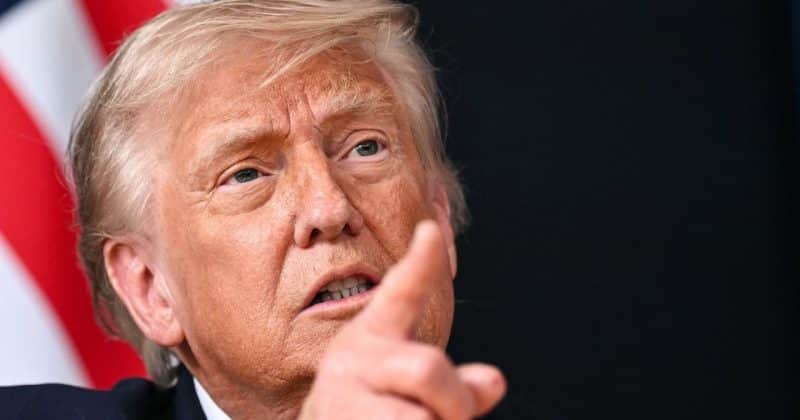
Trump signs US-Iran memorandum of understanding at Versailles, Bitcoin briefly tops $67K
The 14-point interim agreement reopens the Strait of Hormuz, establishes a $300 billion reconstruction fund, and sent crypto markets on a short-lived rally
President Donald Trump and Iranian President Masoud Pezeshkian put pen to paper on a memorandum of understanding at the Palace of Versailles on June 17, formally cementing an interim agreement that had already been digitally signed by both leaders. The signing took place during a dinner hosted by French President Emmanuel Macron.
The 14-point MOU extends a 60-day ceasefire between the US, Iran, and their respective allies. It also reopens the strategic Strait of Hormuz, lifts certain US naval blockades and sanctions on Iran, and unfreezes Iranian assets. In exchange, Tehran committed to refraining from developing or acquiring nuclear weapons. Bitcoin briefly surpassed $67,000 in the hours following the news, as crypto markets responded to the sudden drop in geopolitical risk.
What the deal actually says
The agreement is an interim arrangement, not a comprehensive peace deal. The 60-day ceasefire comes with provisions for sanctions relief contingent on Iranian compliance.
One of the most consequential provisions is the establishment of a $300 billion reconstruction fund to be allocated in post-conflict rebuilding efforts.
Trump warned that the US would resume actions if commitments are not honored. Several core issues reportedly remain unresolved, making the MOU more of a diplomatic pause button than a resolution.
Pakistan’s Prime Minister acknowledged that what has been called the “Islamabad MoU” took effect following the formal signing, suggesting the agreement’s diplomatic footprint extends beyond just Washington and Tehran.
Macro, rates, and crypto—what moved markets and what matters next.
Daily. Free. Join 34,000+ readers across crypto, finance, and policy.
The reopening of the Strait of Hormuz is arguably the most immediately impactful provision. Roughly one-fifth of the world’s oil supply passes through that narrow waterway on any given day. Its reopening sent oil prices modestly lower as traders priced in anticipated supply increases.
How crypto markets reacted
Bitcoin briefly pushed past $67,000 following the Versailles announcement. The broader digital asset market also rallied, though the move proved short-lived as traders digested the interim nature of the agreement.
No specific cryptocurrencies were officially linked to the MOU itself. The rally was purely sentiment-driven, fueled by the expectation that reduced geopolitical risk would translate into a more favorable environment for risk assets.
What this means for investors
The MOU creates a 60-day window of relative calm. The conditional nature of the deal introduces a ticking clock, with every compliance checkpoint becoming a potential volatility event.
Oil prices declining on the back of the Strait of Hormuz reopening reduces Bitcoin mining expenses, which is good for miner margins. But cheaper oil also reduces one of the inflation narratives that has historically driven Bitcoin’s “digital gold” appeal.
The 60-day ceasefire means late August becomes the next major inflection point for both the diplomatic process and associated market positioning.